
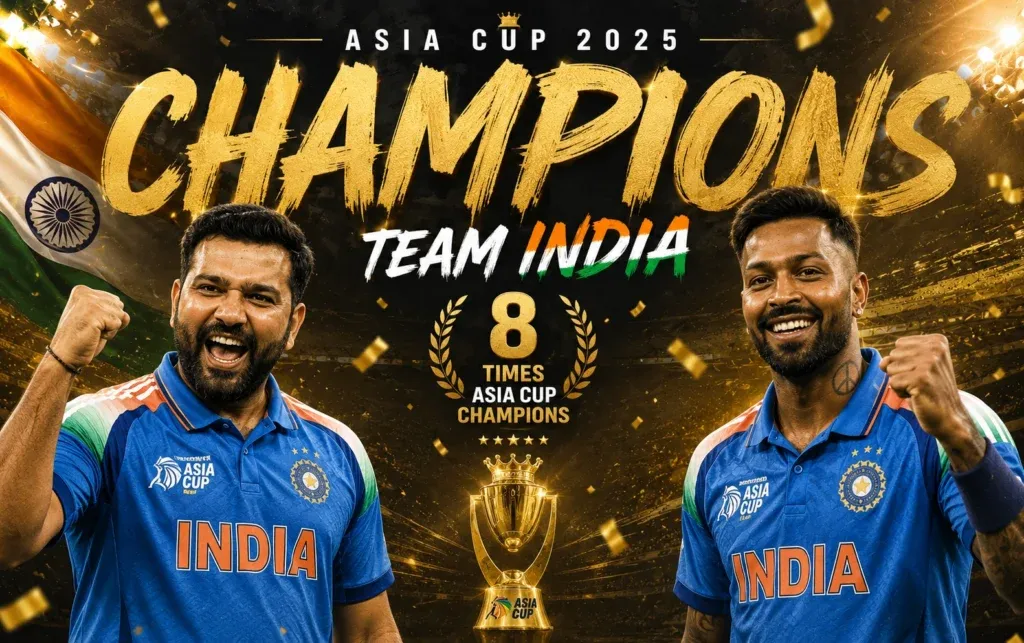
A cricket team’s history becomes easier to understand when important events are arranged in their proper order. cricketmatchteam.com is a useful reference point for readers exploring cricket teams, match histories, and developments across different seasons. A timeline can show when a team first entered international competition, achieved an important victory, changed its leadership, or began rebuilding after a difficult period. These events become more meaningful when readers understand what happened before and afterward. A major win may represent a turning point, but the full story could involve years of preparation and gradual improvement. Similarly, one disappointing tournament does not automatically explain a team’s entire decline. Timelines encourage a broader view of cricket history by connecting individual matches with longer patterns. They also help readers identify which events genuinely changed a team’s direction.
Identifying Important Milestones
A useful cricket timeline begins by deciding which events deserve attention. These may include international debuts, first series victories, major tournament titles, leadership changes, or records that altered a team’s reputation. Not every match needs to appear because an extremely long list can hide the events that matter most. The selected milestones should reflect the purpose of the timeline and the team’s history. A timeline focused on Test cricket may emphasize series results and major tours. Another focused on limited-overs cricket may highlight World Cup performances and changes in strategy. Dates and results should be checked against reliable records before being included. Writers should also explain why each event matters instead of assuming every reader already knows the context. A short explanation can connect a result with a wider development. This makes the timeline more useful than a simple collection of dates and scorecards.
Understanding Periods Of Dominance
Some cricket teams experience extended periods when they win consistently across several series or tournaments. These periods can reflect strong player combinations, effective leadership, stable selection, and successful preparation. However, dominance rarely comes from one factor alone. A powerful batting lineup may receive support from disciplined bowlers and reliable fielders. The team’s opponents may also be experiencing transitions that influence competitive results. A timeline helps readers identify when strong performances began, how long they continued, and when results started changing. It is important to examine several matches rather than using one victory as evidence of complete dominance. Different formats can also produce different patterns, with a team performing strongly in one format while struggling in another. Understanding these differences provides a more accurate picture of performance. Historical context helps explain why a successful period developed and what eventually made it harder to maintain.
Recognizing Rebuilding Phases
A rebuilding phase often begins when several experienced players leave within a relatively short period. Teams may also rebuild after repeated poor results, changes in administration, or shifts in coaching philosophy. During this time, younger players receive opportunities and selectors experiment with different combinations. Results may become inconsistent because new players need experience at the international level. A timeline can reveal how long the rebuilding phase lasted and which decisions helped the team improve. It can also show whether the same problems continued across several seasons. Rebuilding should not automatically be treated as failure because teams cannot retain the same lineup forever. The more important question is whether the team is developing useful players and addressing its weaknesses. Historical analysis becomes stronger when it considers the resources and competitive conditions available at the time. This allows readers to understand the transition rather than judging every season only by its final position.
Leadership Changes And Results
Leadership changes can become important moments in a team’s development. A new captain may introduce different field placements, batting priorities, communication habits, or approaches to handling pressure. Coaches can also influence preparation and selection policies when their responsibilities change. However, results rarely improve or decline because of leadership alone. Player availability, injuries, opposition quality, and match conditions can all affect performance. A timeline should therefore record leadership changes alongside the events surrounding them. If results improved afterward, readers should examine whether other developments also contributed. The same care applies when a team struggled under a particular captain. A captain cannot control every factor that determines the final result. Looking at a wider period provides a fairer understanding of leadership. It also helps readers identify whether a change introduced a lasting shift in team strategy or only a temporary adjustment.
Using Records To Verify Events
Historical timelines need accurate dates, scorecards, and descriptions of important matches. Official cricket boards, tournament archives, and established statistical resources can help verify these details. Older matches sometimes have records that are less complete than modern international fixtures. Writers should identify the strongest available evidence and avoid presenting uncertain details as confirmed facts. Even familiar cricket stories can contain errors when dates or match classifications are repeated without checking. A series victory should not be confused with an individual match result, and a player’s debut should be linked to the correct format. Readers may also encounter different date conventions across historical sources. Checking the original match information can help resolve these differences. Accuracy matters because one incorrect milestone can distort the sequence of later events. A carefully verified timeline becomes a more dependable resource for fans, students, and cricket researchers.
Comparing Different Cricket Eras
Comparing cricket teams from different eras requires more care than placing their statistics side by side. Rules, equipment, pitch preparation, protective gear, travel arrangements, and training methods have changed considerably. Teams also faced different schedules and levels of international competition. A player who achieved strong results under older conditions should not be dismissed because modern players produce different numbers. Equally, historical achievements should not automatically prove that an earlier team would defeat every modern opponent. The available evidence cannot answer every hypothetical comparison. Timelines help provide context by showing what conditions and challenges surrounded particular performances. They can also highlight changes in playing style and preparation. Readers should compare achievements while recognizing the limits of direct numerical comparisons. This approach creates a fairer understanding of cricket history and avoids reducing complex team development to arguments about which generation was superior.
Explaining Unexpected Results
Unexpected victories and defeats often become memorable turning points in cricket history. A lower-ranked team may defeat a highly regarded opponent, or a strong side may lose after appearing comfortably positioned. These results can affect confidence, selection discussions, and public expectations. However, a surprising result should be examined through the actual match conditions rather than explained through assumptions. Injuries, pitch behaviour, tactical choices, and individual performances may all contribute. A timeline can place the result within the team’s wider season and reveal whether it changed later decisions. Sometimes the result becomes a genuine turning point, while in other cases the team quickly returns to its previous level. Both possibilities matter when interpreting history. A balanced explanation considers the evidence available and avoids suggesting that one match alone determines a team’s future. Cricket is unpredictable, and its historical record reflects that reality.
Conclusion
Cricket team timelines help readers understand how milestones, leadership changes, rebuilding periods, and unexpected results shape a team’s development. They provide context that individual scorecards cannot always explain on their own. Reliable dates and careful interpretation make these timelines more useful for understanding different cricket eras. For additional team histories and cricket-related resources, visit cricketmatchteam.com and continue exploring the events behind the sport’s most important changes. Choose a team and build a verified sequence of milestones that explains its development rather than simply listing its victories.
Read also :-