
Wheel alignment service plays a crucial role in maintaining a vehicle’s safety, comfort, and performance. Many drivers focus on oil changes or tire replacements, but wheel alignment often receives less attention than it deserves.
When a vehicle’s wheels are not properly aligned, the tires do not meet the road at the correct angle. This small issue can gradually lead to uneven tire wear, poor handling, and even increased fuel consumption.
Drivers sometimes notice the steering wheel pulling slightly to one side or the car drifting while driving straight. These are early warning signs that alignment may be off.
Understanding the importance of proper alignment can help drivers avoid expensive repairs and extend the life of their tires.
Table of Contents
ToggleUnderstanding the purpose of wheel alignment
The main goal of wheel alignment is to ensure that the wheels are positioned according to the vehicle manufacturer’s specifications. These specifications control how the wheels connect with the suspension system and the road surface.
When alignment is correct, all four wheels work together to provide stability and balance. The vehicle moves smoothly without unnecessary strain on tires or suspension components.
Over time, everyday driving conditions can gradually affect alignment. Potholes, rough roads, speed bumps, and even minor collisions can shift the alignment angles.
Because of these factors, many automotive experts recommend scheduling a wheel alignment service regularly to maintain optimal driving performance.
The key alignment angles that affect driving
Wheel alignment involves adjusting several important angles within the suspension system. These angles determine how the tires interact with the road.
Camber is one of the most important alignment angles. It refers to the inward or outward tilt of the wheels when viewed from the front of the vehicle. Excessive camber can cause uneven tire wear.
Another important angle is toe alignment. This refers to whether the tires point slightly inward or outward when viewed from above. Incorrect toe settings often lead to rapid tire wear.
Caster angle also affects steering stability. Proper caster alignment helps the vehicle maintain straight-line stability and ensures smooth steering control.
Technicians performing a wheel alignment service carefully adjust these angles to restore the vehicle to factory specifications.
Signs that your vehicle may need alignment
Many drivers are unaware that their vehicle’s alignment has shifted until they notice obvious driving problems.
One common sign is when the steering wheel does not return to the center position after turning. This may indicate that the alignment angles are no longer balanced.
Another sign is uneven tire wear. If one side of the tire tread appears more worn than the other, alignment may be the cause.
Drivers may also feel the car pulling slightly to the left or right while driving on a straight road.
Recognizing these warning signs early can help drivers schedule a wheel alignment service before the problem worsens.
How misalignment affects tire life
Tires represent a significant investment for vehicle owners. Proper alignment plays an important role in protecting that investment.
When wheels are misaligned, tires are forced to slide slightly across the road instead of rolling smoothly. This extra friction causes premature tire wear.
Uneven wear patterns may develop on the edges or center of the tire tread. Over time, these patterns reduce traction and safety.
Drivers who maintain regular tire maintenance often discover that proper alignment significantly extends tire lifespan.
This is one of the main reasons automotive technicians recommend routine wheel alignment service as part of overall vehicle maintenance.
The connection between alignment and fuel efficiency
Many drivers do not realize that wheel alignment can also influence fuel consumption.
When wheels are misaligned, the engine must work harder to move the vehicle forward. The tires create additional resistance as they roll across the road surface.
This increased resistance forces the engine to use more fuel to maintain speed.
Even small alignment issues can gradually reduce fuel efficiency over time.
By maintaining correct alignment, drivers reduce rolling resistance and improve vehicle efficiency. Regular wheel alignment service helps ensure that energy is used efficiently during everyday driving.
What happens during a professional alignment service
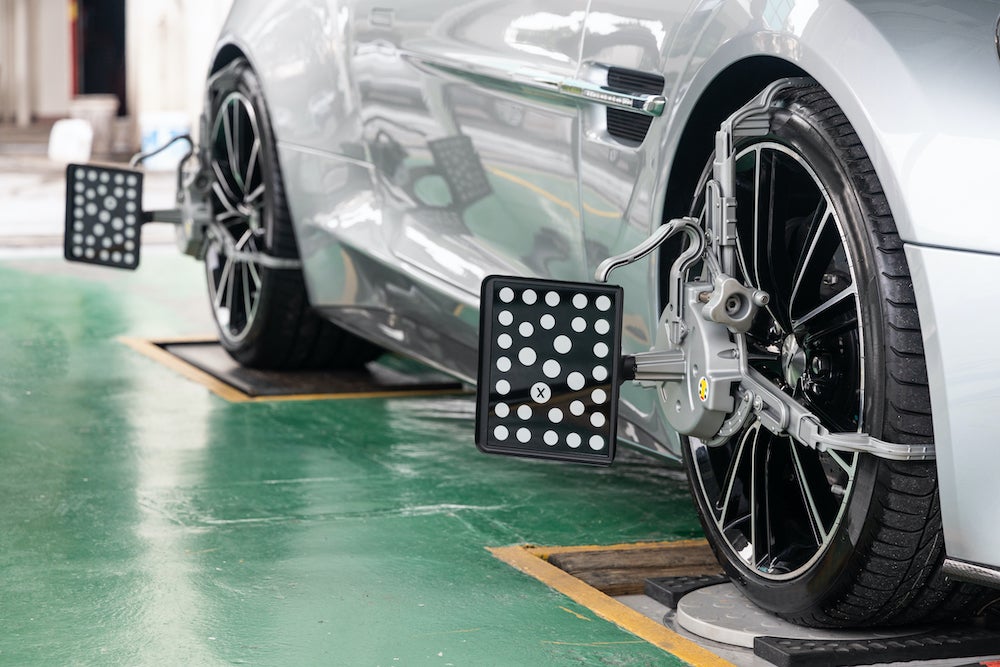
A professional alignment procedure involves specialized equipment designed to measure wheel angles with high precision.
Technicians place the vehicle on an alignment rack where sensors or cameras analyze the position of each wheel.
Advanced computer systems compare the measured angles with manufacturer specifications.
If any angles fall outside the recommended range, technicians adjust suspension components to correct the alignment.
During a typical wheel alignment service, technicians may also inspect steering and suspension components to ensure everything is functioning properly.
This process ensures accurate adjustments and reliable results.
How road conditions affect wheel alignment
Road conditions play a significant role in how quickly alignment can change.
Driving through potholes, hitting curbs, or traveling on uneven surfaces can shift suspension components slightly out of position.
Even daily commuting on rough roads can gradually alter alignment over time.
Urban areas with frequent speed bumps and construction zones often contribute to alignment changes.
Because these conditions are common, experienced mechanics recommend scheduling wheel alignment service whenever drivers notice handling changes or after encountering severe road impacts.
Routine checks help ensure the vehicle remains stable and safe.
Alignment and vehicle handling performance
Proper alignment does more than protect tires. It also improves the overall driving experience.
When wheels are correctly aligned, the steering system responds more accurately to driver input. The vehicle feels balanced and stable while driving.
Misalignment, on the other hand, may cause steering vibrations, drifting, or reduced control during turns.
Drivers who maintain consistent maintenance schedules often notice that their vehicles handle more smoothly.
A well-timed wheel alignment service restores steering precision and ensures that the vehicle responds predictably on the road.
This improves both comfort and safety during daily driving.
How often drivers should schedule alignment checks
The recommended interval for alignment checks can vary depending on driving habits and road conditions.
Many automotive professionals suggest checking alignment once or twice a year. Others recommend inspection whenever new tires are installed.
If a vehicle experiences a significant impact, such as hitting a large pothole or curb, alignment should be checked immediately.
Drivers who regularly travel long distances may benefit from more frequent inspections.
Scheduling routine wheel alignment service helps prevent gradual alignment changes from causing serious tire or suspension problems.
Preventive maintenance often saves money in the long run.
The relationship between alignment and suspension health
Wheel alignment is closely connected to the condition of the suspension system.
Suspension components such as control arms, ball joints, and tie rods help maintain proper wheel positioning. If any of these components wear out, alignment may shift.
Technicians often inspect these parts during alignment procedures to ensure they are functioning correctly.
If worn components are detected, they must be replaced before alignment adjustments can be performed.
This connection between suspension health and alignment highlights why professional wheel alignment service is important for long-term vehicle reliability.
Proper maintenance ensures that both systems continue working together effectively.
Maintaining alignment for long-term vehicle reliability
Vehicle maintenance involves many interconnected systems working together to deliver safe and reliable transportation.
Wheel alignment plays a central role in maintaining stability, protecting tires, and supporting efficient vehicle performance.
Drivers who understand the impact of alignment often become more proactive about maintenance.
Regular inspections, careful driving habits, and prompt attention to warning signs help maintain proper wheel positioning.
By prioritizing routine wheel alignment service, drivers support the overall health of their vehicles and create a smoother, safer driving experience.
Read also: