
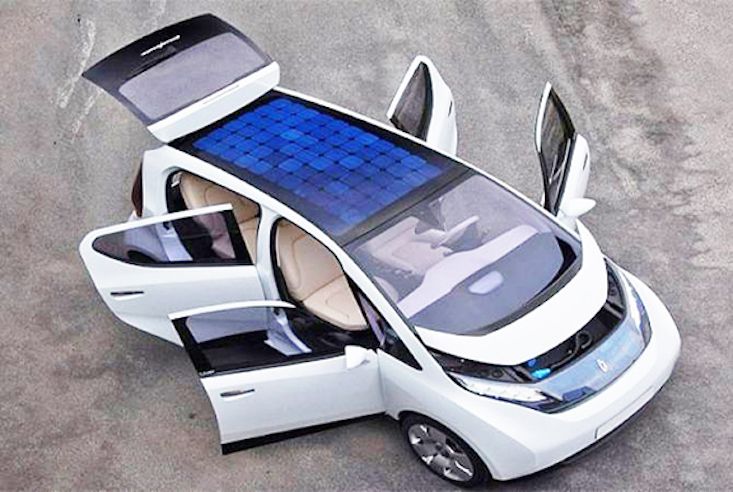
Solar-powered cars are no longer a distant vision—they are becoming a practical solution for sustainable transportation. By harnessing the sun’s energy, these vehicles reduce reliance on fossil fuels while offering drivers a clean and eco-friendly commuting option. The combination of solar panels, electric propulsion, and energy-efficient designs is making solar-powered vehicles increasingly viable for everyday use.
In real-world applications, prototype solar cars have demonstrated impressive capabilities. Teams in the World Solar Challenge, for example, have completed cross-continental journeys powered almost entirely by sunlight, highlighting the potential of solar technology for mainstream adoption.
Advancements in Solar-Powered Cars Technology
The key to modern solar-powered cars lies in technological innovation. Advanced photovoltaic cells integrated into the vehicle’s surface convert sunlight directly into electricity, charging onboard batteries while the car is in motion.
Companies like Lightyear and Sono Motors are leading the way with designs that maximize solar efficiency without compromising style or aerodynamics. Drivers in Europe and North America report that even on cloudy days, solar-assisted energy extends the vehicle’s range, making these cars more practical for daily commuting.
Battery Improvements and Energy Storage
Energy storage plays a crucial role in solar-powered cars. High-capacity lithium-ion and solid-state batteries store electricity generated from solar panels, allowing the car to operate after sunset or on overcast days.
Regenerative braking is another enhancement, capturing energy during deceleration to recharge the battery. Real-world users of solar vehicles note that these systems reduce dependence on charging stations, offering a semi-autonomous power source that complements existing EV infrastructure.
Eco-Friendly Benefits and Reduced Emissions
One of the most compelling advantages of solar-powered cars is their positive environmental impact. By relying on renewable energy, these vehicles significantly reduce greenhouse gas emissions and lower overall energy consumption.
Cities like San Diego and Amsterdam have piloted solar-assisted cars in urban fleets, reporting noticeable reductions in emissions and fuel costs. Drivers also appreciate the quieter, smoother ride that electric propulsion combined with solar energy provides, demonstrating that sustainability can enhance the driving experience rather than compromise it.
Integration with Smart Grid and Urban Mobility
Modern solar-powered cars are designed to interact with smart grids and urban infrastructure. Connected systems allow vehicles to feed excess solar energy back into the grid or draw power when needed, creating a two-way energy flow that benefits both drivers and cities.
For example, pilot programs in Australia show that solar-powered vehicles integrated with home charging setups can reduce electricity bills while supporting local energy stability. This synergy between mobility and renewable energy infrastructure is a major step toward sustainable urban living.
Luxury and Practical Applications
Solar technology is not limited to compact vehicles or experimental prototypes. Luxury automakers and EV startups are incorporating solar panels into sedans and SUVs, offering both performance and eco-conscious innovation.
The Lightyear 0, for instance, combines solar energy with advanced aerodynamics to achieve long-range performance while maintaining a sleek, luxury design. Everyday users report that solar assistance extends their electric range, making these vehicles more convenient for long commutes or road trips without frequent charging stops.
Solar-Powered Cars in Commercial and Fleet Operations
Beyond personal transportation, solar-powered cars are being explored for commercial applications. Delivery services, taxi fleets, and corporate vehicles can benefit from reduced fuel costs and lower environmental impact.
Real-world examples in Germany and the Netherlands show fleet operators adopting solar-assisted EVs to decrease operational expenses. The ability to recharge on sunny days while on the road makes solar-powered vans and compact trucks particularly valuable for last-mile logistics.
Challenges and Solutions in Solar Vehicle Adoption
While solar-powered cars offer significant advantages, challenges remain. Efficiency limitations in low-light conditions, higher upfront costs, and limited availability of certain components can impact adoption.
Manufacturers are addressing these issues with hybrid solutions that combine solar panels with traditional battery charging. This ensures that vehicles remain practical in all climates, providing a balance between sustainability and convenience. Governments are also offering incentives, grants, and tax breaks to encourage adoption, further boosting public acceptance.
Future Prospects for Solar Mobility
The future of solar-powered cars is promising. Researchers are developing ultra-lightweight materials, flexible solar panels, and AI-driven energy management systems to maximize efficiency.
In the next decade, we can expect broader adoption as infrastructure, technology, and consumer awareness align. Urban commuters, corporate fleets, and environmentally-conscious drivers will increasingly rely on solar-powered vehicles as part of a greener transportation ecosystem. Real-world tests continue to show that solar mobility is both feasible and practical for everyday life.
Global Impact and Sustainability
The rise of solar-powered cars is influencing global energy and transportation policies. Countries investing in renewable energy and clean mobility are seeing reductions in fossil fuel dependence, improved urban air quality, and lower operational costs for transportation networks.
Initiatives in Japan, the Netherlands, and California demonstrate that solar vehicles can be integrated into public transport, corporate fleets, and private ownership. These examples highlight how solar-powered mobility not only benefits the environment but also promotes technological innovation and economic efficiency.
Read also: