
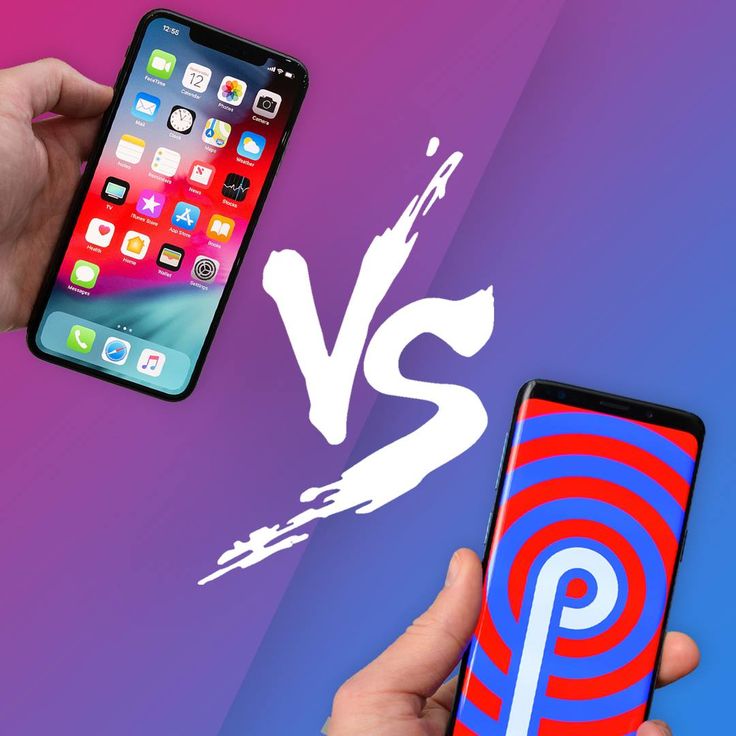
Smartphone comparison is no longer just about specs on paper. It’s about how a phone fits into your daily life, survives long workdays, captures memories, and stays reliable long after the excitement of unboxing fades. In a market flooded with flashy launches and bold claims, choosing the right device can feel overwhelming.
I recently watched a friend regret buying a flagship phone simply because a YouTuber called it “the best of the year.” Two months later, battery anxiety, heating issues, and an average camera experience left him disappointed. That moment perfectly sums up why meaningful comparisons matter more than ever.
This article breaks down how modern smartphones truly differ, based on real-world usage, expert insights, and practical evaluation rather than hype.
Why smartphone comparison matters in real life
Buying a smartphone today is not a small decision. For many people, it’s the most used personal device they own. It’s their camera, office, entertainment hub, navigation tool, and payment wallet.
A proper comparison helps avoid buyer’s remorse. It allows users to understand trade-offs clearly. A slightly weaker processor might not matter if battery life is exceptional. A modest camera can still shine with good image processing.
Experts consistently emphasize that the “best phone” depends on the user, not the market ranking.
Understanding performance beyond benchmark scores
Performance numbers look impressive during launches, but everyday usage tells a different story. App switching speed, sustained gaming performance, and thermal management matter more than peak benchmark scores.
Many mid-range phones now handle daily tasks effortlessly. Social media, video calls, navigation, and light gaming rarely push modern processors to their limits.
Flagship processors show their strength during heavy multitasking and long gaming sessions, but for average users, optimization matters more than raw power.
This is where a thoughtful smartphone comparison becomes essential.
Display quality and how it impacts daily use
A phone’s display shapes the entire user experience. Brightness levels, color accuracy, refresh rate, and touch response all contribute to comfort and usability.
High refresh rate screens feel smoother, but they also consume more power. OLED panels offer deeper blacks and better contrast, while LCDs can still perform well with good tuning.
Outdoor visibility is often overlooked but crucial. A phone that looks stunning indoors can struggle under sunlight.
Real users often prioritize eye comfort and readability over flashy specifications.
Camera comparison based on real-world photography
Cameras sell smartphones, but megapixels alone mean very little. Image processing, sensor quality, stabilization, and software tuning define real results.
Daylight photography is now good on most phones. The real differences appear in low light, portrait shots, video stabilization, and skin tone accuracy.
Many reviewers note that consistency matters more than occasional brilliance. A camera that delivers reliable results every time is more valuable than one that shines only in perfect conditions.
A balanced smartphone comparison always evaluates camera performance across scenarios, not just sample photos.
Battery life and charging behavior that users actually feel
Battery capacity numbers don’t always reflect real endurance. Software optimization, screen efficiency, and background app control play a huge role.
Some phones with smaller batteries last longer than competitors with larger ones. Charging speed also changes daily habits significantly.
Fast charging reduces anxiety, but heat management and battery health over time matter just as much.
Users who travel or work long hours often value consistency over extreme charging speeds.
Software experience and long-term reliability
Software defines how enjoyable a phone feels months after purchase. Clean interfaces, timely updates, and minimal bloatware create trust.
Manufacturers offering longer update commitments provide better long-term value. Security patches are especially important for privacy and financial safety.
User experience experts consistently recommend choosing brands with transparent update policies.
In any meaningful smartphone comparison, software stability deserves as much attention as hardware.
Build quality and durability in everyday scenarios
Glass backs and metal frames look premium, but grip, weight balance, and durability matter more in daily use.
Phones that feel comfortable during long usage sessions often win user loyalty. Scratch resistance, button feedback, and speaker quality also contribute to perceived quality.
Many users discover that slightly thicker phones with larger batteries feel more reliable in the long run.
Durability is an often underestimated aspect of smartphone ownership.
Connectivity, network performance, and call quality
A smartphone’s core function is communication. Network reception, call clarity, and Wi-Fi stability are fundamental.
Some devices perform better in weak signal areas due to antenna design and modem quality.
For users in regions with mixed network coverage, this factor becomes critical.
Professional reviewers often test phones in varied conditions to assess real network reliability.
Storage options and future-proofing decisions
Storage fills up faster than expected. High-resolution photos, videos, and apps demand space.
Expandable storage offers flexibility, while cloud integration reduces local dependency.
Choosing adequate storage at purchase can extend a phone’s usable life significantly.
A smart comparison considers long-term usage rather than immediate needs.
Price-to-value analysis that goes beyond discounts
Price alone doesn’t define value. Longevity, resale value, update support, and repair availability all contribute.
Some phones offer excellent hardware but lose value quickly due to poor support.
Others cost more upfront but remain usable and secure for years.
This is why experienced buyers rely on in-depth smartphone comparison rather than launch pricing alone.
Flagship phones versus mid-range contenders
The gap between flagship and mid-range phones has narrowed significantly.
Mid-range devices now offer high refresh rate displays, strong cameras, and fast charging.
Flagships still lead in camera versatility, performance consistency, and premium features.
Choosing between them depends on priorities, not status.
User personas and choosing the right smartphone
Different users need different strengths. A content creator values camera and storage. A gamer prioritizes performance and cooling. A business user focuses on security and battery life.
Understanding your own usage pattern simplifies decision-making.
Phones designed with specific audiences in mind often deliver better satisfaction.
This personalized approach is the foundation of a helpful smartphone comparison.
Brand trust, service network, and after-sales experience
A phone is only as good as the support behind it. Warranty service, repair costs, and spare part availability matter more than many realize.
Brands with strong service networks build long-term trust.
User reviews often highlight after-sales experience as a deciding factor in repeat purchases.
Experts recommend factoring this into every buying decision.
Environmental impact and sustainable choices
Sustainability is becoming a real consideration. Longer software support reduces electronic waste.
Repairable designs and recycling programs reflect brand responsibility.
Environmentally conscious buyers increasingly prefer brands that commit to sustainable practices.
This dimension adds depth to modern smartphone evaluation.
How expert reviews and user feedback complement each other
Professional reviews provide controlled testing and technical insight.
User reviews reveal long-term behavior and unexpected issues.
Combining both perspectives leads to better decisions.
EEAT-aligned content always values lived experience alongside expertise.
Avoiding marketing traps and spec sheet illusions
Manufacturers highlight best-case scenarios. Real usage often differs.
Overemphasis on numbers distracts from practical performance.
Buyers who focus on experience rather than specifications make more satisfying choices.
Critical thinking transforms comparisons into confident decisions.
Why honest smartphone comparison builds buyer confidence
Trustworthy comparisons empower users rather than influence them.
They clarify trade-offs and remove confusion.
Transparent evaluation strengthens credibility and reader trust.
This approach aligns with how search engines and users reward high-quality content.
Final perspective on choosing wisely in a crowded market
Smartphone comparison works best when it respects real users, real needs, and real outcomes.
Technology should serve people, not overwhelm them.
The right phone is the one that fits your life seamlessly, not the one with the loudest launch.
When comparisons focus on experience, reliability, and value, everyone wins.