
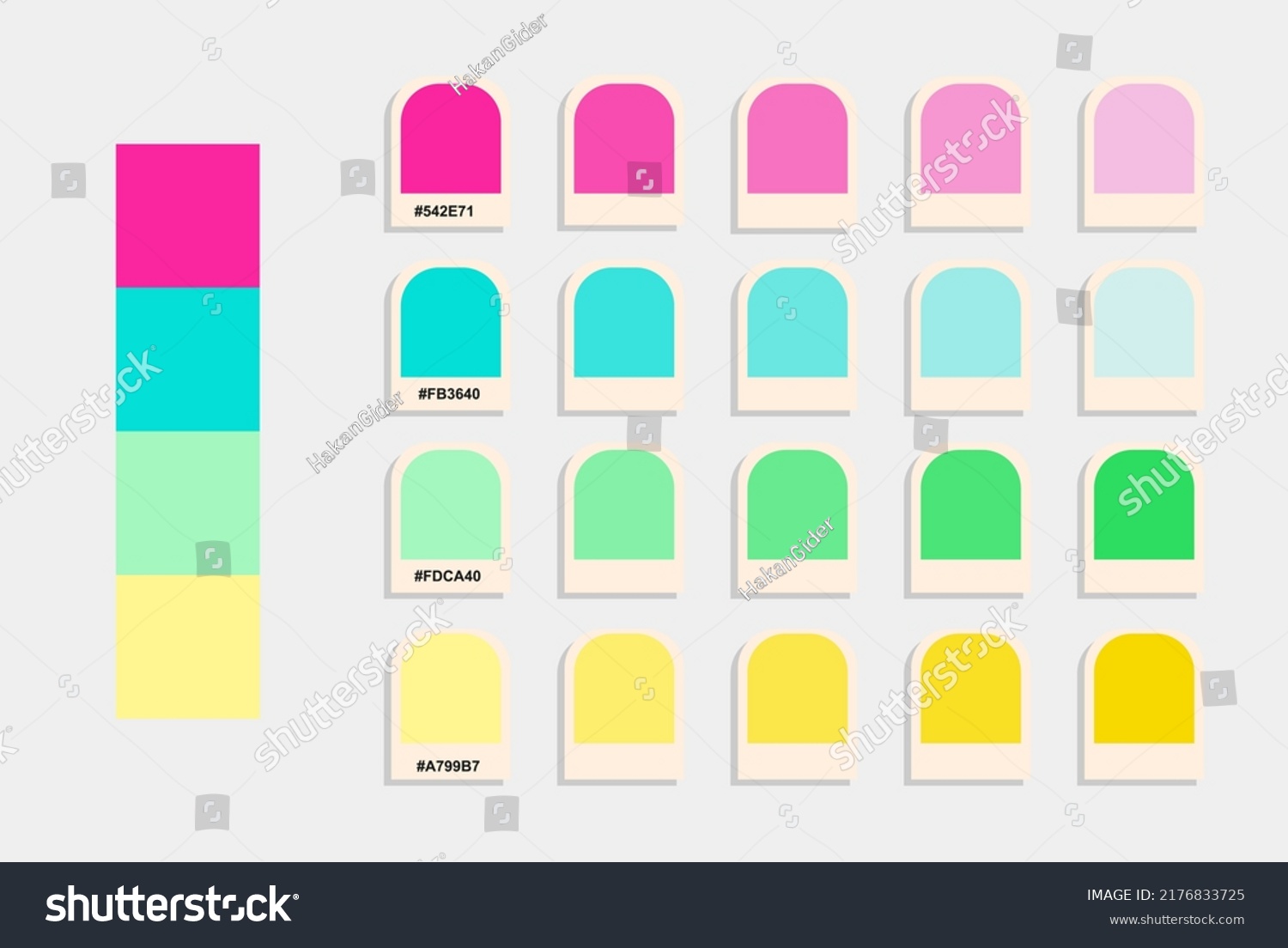
Pastel vs neon colors is a debate that shows up everywhere, from fashion runways to Instagram feeds, from bedroom decor to branding strategies. One whispers elegance and calm. The other shouts energy and boldness. Both are powerful, but they speak very different visual languages.
I remember helping a friend redesign her small clothing boutique. She loved soft lavender walls and muted mint displays. Her business partner pushed for electric pink signage and highlighter yellow accents. That single decision about color direction completely changed the store’s personality.
This is why understanding color contrast isn’t just about preference. It’s about psychology, perception, and purpose.
The Psychology Behind Pastel vs Neon Colors
Color psychology plays a major role in how we respond to visual environments. When comparing Pastel vs neon colors, the emotional impact is dramatically different.
Pastel shades are softened versions of primary or secondary colors. They are created by adding white, which reduces intensity and creates a lighter, airier appearance. These hues often evoke calmness, innocence, and nostalgia.
Neon colors, on the other hand, are highly saturated and luminous. They demand attention immediately. Often associated with nightlife, digital culture, and youth trends, neon tones stimulate excitement and urgency.
Studies in environmental psychology suggest softer palettes reduce stress, while brighter, high-intensity hues increase alertness. The emotional difference between the two isn’t subtle; it’s immediate and measurable.
A Historical Look at Color Trends
The contrast between subtle and bold palettes has appeared throughout history. In the 18th century, pastel tones were popular in European art and fashion. Rococo painters like Jean-Honoré Fragonard used delicate pinks and blues to convey elegance and romance.
Fast forward to the late 20th century, and neon exploded into mainstream culture. The 1980s especially embraced fluorescent fashion, music videos, and graphic design. Influential pop artists like Andy Warhol often experimented with bold, saturated color combinations that echoed neon vibrancy.
Understanding this historical context helps designers recognize that color cycles reflect broader cultural moods.
Visual Impact: Soft Glow vs Electric Energy
When discussing Pastel vs neon colors, visual intensity becomes the key differentiator. Pastels gently blend into environments. Neon shades dominate them.
In interior design, pastel palettes make small spaces feel open and breathable. Soft peach, powder blue, or pale sage can transform a cramped room into a calming retreat.
Neon accents, however, instantly draw the eye. A bright neon sign in a café becomes a focal point. It commands attention even from across the street.
This difference in intensity determines how and where each palette should be used.
Fashion and Personal Expression
Fashion provides one of the clearest examples of Pastel vs neon colors in action. Pastels often communicate softness, sophistication, and romantic aesthetics. Spring collections frequently highlight muted lilacs, blush pinks, and sky blues.
Neon fashion, by contrast, feels rebellious and energetic. It thrives in streetwear and festival culture. Highlighter green or fluorescent orange pieces are rarely subtle.
Personal style reflects personality. Someone drawn to pastels may prefer understated elegance. A neon enthusiast likely embraces bold self-expression.
Neither choice is superior. They simply communicate different moods and intentions.
Branding and Marketing Strategy
Color choice heavily influences branding decisions. When comparing Pastel vs neon colors, companies must consider target audience and brand personality.
Wellness brands often lean toward pastel palettes to signal calm, purity, and trust. Soft blues and muted greens feel safe and inviting.
Youth-oriented brands, especially in gaming or entertainment, may adopt neon accents to create excitement. Bright pinks and electric blues convey innovation and energy.
Marketing experts consistently emphasize that color increases brand recognition. However, the emotional tone must align with brand values.
Interior Design Applications
In home decor, the debate around Pastel vs neon colors becomes highly practical. Pastel walls create serene bedrooms and cozy nurseries. They reflect light gently and make spaces feel airy.
Neon works best as an accent. A neon lamp or artwork can add personality without overwhelming the room.
Interior designers often recommend balancing bold neon elements with neutral backdrops. Too much intensity can feel chaotic, while subtle pastel tones may risk looking bland if not layered thoughtfully.
The key lies in proportion and purpose.
Digital Design and Social Media Aesthetics
The rise of digital platforms has intensified the conversation about Pastel vs neon colors. On social media, color determines scroll-stopping power.
Pastel feeds often attract audiences seeking minimalism and calm aesthetics. Lifestyle influencers frequently use muted tones for cohesive visuals.
Neon palettes perform well in dynamic industries like music, tech startups, and esports. High saturation grabs attention instantly in crowded digital spaces.
Designers must consider device screens as well. Neon colors glow on digital displays, while pastel shades may require careful contrast adjustments to remain visible.
Cultural Perception and Symbolism
Colors carry cultural meaning. In some contexts, pastel pink symbolizes romance and femininity. In others, it may represent youth or innocence.
Neon colors often symbolize modernity, nightlife, and futuristic aesthetics. In certain urban cultures, neon signage represents vibrancy and economic energy.
Understanding these symbolic layers strengthens decision-making when choosing between Pastel vs neon colors for global audiences.
Cultural awareness enhances authenticity and prevents unintended messaging.
Emotional Atmosphere and Mood Creation
Mood creation is where Pastel vs neon colors truly diverge. Pastels soothe the senses. Neon stimulates them.
A pastel-themed wedding feels dreamy and intimate. A neon-themed party feels electric and high-energy.
Artists often use pastel backgrounds to evoke nostalgia. Photographers may incorporate neon lighting to create cinematic drama.
The emotional atmosphere created by each palette shapes how audiences interpret experiences.
Combining Pastel and Neon for Balance
Interestingly, the debate between Pastel vs neon colors does not always require choosing one over the other. Strategic blending can produce striking results.
A soft pastel background paired with a neon accent can create visual hierarchy. The contrast makes neon elements pop without overwhelming viewers.
Fashion designers sometimes layer muted pastels with bold neon accessories. Graphic designers apply similar principles in branding layouts.
Balance requires restraint. Too much of either extreme can dilute the desired effect.
Scientific Perspective on Color Intensity
From a scientific standpoint, pastel colors contain higher levels of white light reflection, reducing saturation. Neon colors are highly saturated and often enhanced by fluorescent pigments that intensify brightness.
Research in visual perception shows that bright colors activate attention mechanisms in the brain more quickly than muted tones.
This explains why warning signs frequently use neon-like hues. Visibility matters in safety contexts.
Understanding the science behind Pastel vs neon colors allows creatives to apply color intentionally rather than emotionally.
Real-Life Design Case Study
A small café in my city recently rebranded. Originally decorated in soft pastel mint and cream, it attracted families and remote workers seeking calm.
After switching to neon signage and bold wall art, the atmosphere shifted dramatically. Younger crowds began visiting in the evenings, and the café evolved into a social hotspot.
The transformation demonstrates how powerful color strategy can be. The choice between subtle and bold directly influenced customer behavior.
Color decisions are rarely superficial. They shape experiences.
Practical Tips for Choosing the Right Palette
Choosing between Pastel vs neon colors begins with defining purpose. Ask yourself what emotion you want to evoke.
If relaxation and elegance are priorities, pastel palettes deliver effectively. If energy and attention are goals, neon excels.
Consider lighting conditions, audience demographics, and cultural context before committing.
Testing color samples in real environments prevents costly mistakes.
Creative Identity and Personal Preference
Ultimately, the debate around Pastel vs neon colors connects to personal identity. Artists and designers often gravitate toward palettes that resonate emotionally.
Some feel inspired by the softness of muted tones. Others thrive on high-voltage vibrancy.
Creative growth sometimes involves experimenting with the opposite of your comfort zone. A pastel lover may discover excitement in neon accents. A neon enthusiast may find surprising depth in subtle hues.
Read also: