
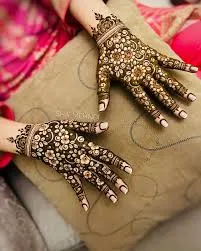
Negative space mehndi has quietly transformed the world of henna art, blending tradition with modern aesthetics in a way that feels both artistic and refreshing. Unlike dense, fully filled patterns, this style uses empty spaces strategically to create contrast, depth, and visual intrigue.
From minimalist brides to fashion-forward festival lovers, negative space designs have become a favorite across South Asia and beyond. Artists are experimenting with geometry, florals, mandalas, and abstract patterns, all while letting the skin breathe through clever gaps in the design.
This article explores everything you need to know about negative space mehndi, from its origins and design concepts to cultural relevance, application tips, and why it’s becoming a timeless trend.
Table of Contents
ToggleUnderstanding the Concept of Negative Space Mehndi
Negative space mehndi refers to henna designs where parts of the skin are intentionally left blank to form patterns, shapes, or outlines. Instead of filling every area with intricate motifs, the artist uses empty space as a design element.
This technique is inspired by modern art principles where negative space plays a crucial role in defining composition. In henna, it creates a striking contrast between dark stained patterns and untouched skin.
In many ways, it reflects a minimalist mindset. Instead of adding more detail, artists focus on balance, symmetry, and clarity. This makes the designs visually clean and elegant, perfect for contemporary tastes.
How Negative Space Mehndi Evolved in Henna Art
Traditional mehndi designs are known for their dense motifs, floral patterns, paisleys, and symmetrical layouts. For centuries, these designs symbolized joy, fertility, and celebration in weddings and festivals.
Negative space mehndi emerged as artists began blending traditional motifs with modern fashion aesthetics. Social media platforms like Instagram and Pinterest played a huge role in popularizing this trend. Designers showcased unique patterns where blank spaces formed geometric shapes, lines, and symbolic imagery.
The global influence of tattoo art, minimalist fashion, and graphic design also contributed to its rise. Brides and influencers started looking for something different from conventional designs, and negative space henna offered a fresh alternative.
Why Negative Space Mehndi Is So Popular Today
The popularity of negative space mehndi lies in its versatility and visual appeal. It can be bold or subtle, traditional or modern, depending on the pattern and placement.
Modern brides prefer designs that complement their outfits without overpowering them. Negative space henna achieves this by creating balanced designs that look elegant in photographs and real life.
It also appeals to younger generations who prefer minimalistic aesthetics. Instead of covering the entire hand, they opt for selective patterns that highlight fingers, wrists, or palms while leaving breathing space for the skin.
Negative Space Mehndi in Bridal and Festive Designs
Negative space mehndi has become a favorite among brides who want a modern yet cultural look. It pairs beautifully with contemporary bridal outfits, pastel lehengas, and fusion gowns.
Designers often use negative space to create intricate mandalas on the palm while leaving surrounding areas blank. This creates a dramatic focal point without overwhelming the hand.
During festivals like Eid, Karwa Chauth, and Diwali, women use negative space henna to achieve a classy and trendy look. It complements jewelry and outfits without appearing too heavy.
Key Design Elements in Negative Space Mehndi
The charm of negative space mehndi lies in how artists use empty areas creatively. Common elements include geometric shapes, lines, and abstract patterns.
Floral motifs are often outlined without filling them, allowing the skin to act as the background. Mandalas are another popular feature, with detailed centers and blank outer rings.
Some artists create bold outlines of animals, symbols, or calligraphy using negative space to form the main shape. This technique makes the design unique and personalized.
Cultural Significance and Modern Interpretation
Mehndi has deep cultural roots in South Asian, Middle Eastern, and North African traditions. It symbolizes joy, love, and prosperity during weddings and celebrations.
Negative space mehndi respects these traditions while adding a modern twist. It shows how cultural art forms can evolve without losing their essence.
This fusion of tradition and modernity makes negative space designs appealing to global audiences. Fashion designers and celebrities have embraced it, making it a global trend rather than a regional practice.
Techniques Used by Professional Mehndi Artists
Creating negative space mehndi requires precision and planning. Artists must visualize the design and decide which areas to leave blank before starting.
They often sketch outlines lightly and then fill in specific sections, ensuring the negative spaces form a cohesive pattern. The cone tip size and pressure control are crucial for clean lines and crisp shapes.
Professional artists also use shading techniques to enhance contrast, making the negative space stand out more prominently. This level of skill reflects the expertise and artistry behind the design.
Negative Space Mehndi for Minimalist Hand Designs
Minimalist designs are a major trend in henna art, and negative space mehndi fits perfectly into this category. Simple lines, dots, and shapes can create stunning patterns without covering the entire hand.
Finger designs with blank spaces between motifs are particularly popular. They give a chic, modern look that resembles delicate jewelry.
Wrist and forearm designs using negative space also look elegant, especially when paired with bangles or bracelets. This style is ideal for people who want a subtle yet artistic mehndi look.
Influence of Social Media and Fashion Industry
Social media platforms have played a huge role in promoting negative space mehndi. Artists share their work through reels, photos, and tutorials, inspiring millions of viewers worldwide.
Fashion magazines and designers have also featured negative space henna in editorial shoots and runway shows. This exposure has elevated mehndi from a traditional ritual to a fashion statement.
Celebrities and influencers often showcase negative space designs during weddings, festivals, and photoshoots, further increasing its popularity among younger audiences.
How Negative Space Mehndi Enhances Photography
Photography is an important part of weddings and celebrations, and mehndi designs are often captured in close-up shots. Negative space mehndi photographs beautifully because of its contrast and clarity.
The blank spaces create natural highlights, making the patterns stand out clearly in pictures. This is especially beneficial for bridal photoshoots, where details matter.
Photographers appreciate this style because it adds texture and visual interest without cluttering the frame. It complements jewelry, fabrics, and lighting in a balanced way.
Negative Space Mehndi on Different Skin Tones
One of the best aspects of negative space mehndi is how it looks on all skin tones. The contrast between dark henna and bare skin creates a striking effect, regardless of complexion.
On lighter skin tones, the blank spaces create a soft, elegant look, while on deeper skin tones, they add dramatic contrast and boldness.
Artists often adjust the design density and stain intensity to suit individual preferences, making negative space mehndi universally flattering.
Traditional Motifs Reimagined with Negative Space
Traditional motifs like paisleys, florals, and peacocks can be reimagined using negative space. Instead of filling them completely, artists outline them and leave the interior blank.
This approach preserves cultural symbolism while giving the design a modern twist. Brides who want traditional elements with a contemporary feel often choose this style.
Mandala patterns are especially popular, where the center is detailed and the surrounding areas are left blank, creating a stunning focal point.
Psychological Appeal of Negative Space Mehndi
Negative space mehndi has a calming and balanced aesthetic that appeals to modern sensibilities. The use of empty space creates a sense of order and harmony.
In design psychology, negative space is associated with clarity, sophistication, and elegance. This is why minimalistic designs are often perceived as premium and stylish.
For many people, negative space henna feels less overwhelming and more artistic compared to dense traditional patterns. It reflects a contemporary lifestyle and aesthetic preference.
Negative Space Mehndi for Engagements and Pre-Wedding Events
Engagement ceremonies, bridal showers, and pre-wedding photoshoots often feature negative space mehndi designs. They are perfect for events where brides want a light yet elegant look.
Designers often create symmetrical patterns on both hands, leaving large blank spaces that highlight rings and jewelry. This makes the engagement ring stand out beautifully in photographs.
Pre-wedding events like Mehndi night and Haldi ceremony also see creative negative space designs that match pastel outfits and floral jewelry.
Application Tips for Long-Lasting Negative Space Mehndi
Applying negative space mehndi requires patience and precision. The skin must be clean and oil-free to ensure proper stain development.
After application, the henna should be left to dry and removed carefully without washing immediately. Natural aftercare methods like lemon sugar sealant and essential oils can deepen the stain.
Because negative space designs rely on contrast, maintaining a dark stain is important to highlight the blank areas effectively. Proper aftercare ensures the design remains vibrant for several days.
Negative Space Mehndi in Contemporary Art and Design
Negative space mehndi is not limited to traditional celebrations. It has also influenced contemporary art and design. Artists experiment with abstract patterns, line art, and symbolic imagery.
Some designers incorporate typography, initials, and meaningful symbols using negative space, making the design highly personalized. This has made henna a form of wearable art and self-expression.
The fusion of traditional henna techniques with modern design principles reflects the evolving nature of cultural art forms in the digital age.
Choosing the Right Negative Space Mehndi Design
Choosing the right design depends on personal style, event type, and outfit. Minimalist designs are ideal for casual events, while intricate mandalas and geometric patterns suit weddings and formal occasions.
Consulting a professional mehndi artist can help in customizing the design according to hand shape, skin tone, and outfit color. Personalized designs often incorporate initials, dates, or symbolic motifs.
This customization adds emotional value and makes the mehndi design memorable.
Negative Space Mehndi and EEAT Principles
Negative space mehndi designs are created by skilled artists with years of experience and cultural knowledge. Their expertise ensures that designs are aesthetically pleasing and culturally respectful.
Trustworthiness is established through authentic techniques, natural henna ingredients, and ethical practices. Many professional artists share tutorials, certifications, and portfolios to build credibility.
Authoritativeness comes from recognition in fashion magazines, bridal platforms, and social media communities. Experience is reflected in the ability to blend tradition with innovation seamlessly.
These EEAT principles ensure that negative space mehndi is not just a trend but a respected art form backed by skilled professionals and cultural authenticity.
Future Trends in Negative Space Mehndi
The future of negative space mehndi looks promising as artists continue to innovate. Digital design tools and AI-inspired patterns are influencing modern henna art.
Sustainable and organic henna products are gaining popularity, aligning with eco-friendly beauty trends. Personalized and symbolic designs are also expected to grow as people seek meaningful body art.
As fashion evolves, negative space mehndi will continue to adapt, blending cultural heritage with modern creativity in new and exciting ways.
Negative space mehndi continues to redefine henna artistry by merging minimalism with tradition. Its rise reflects changing aesthetics, global influences, and the timeless appeal of creative expression through body art.