
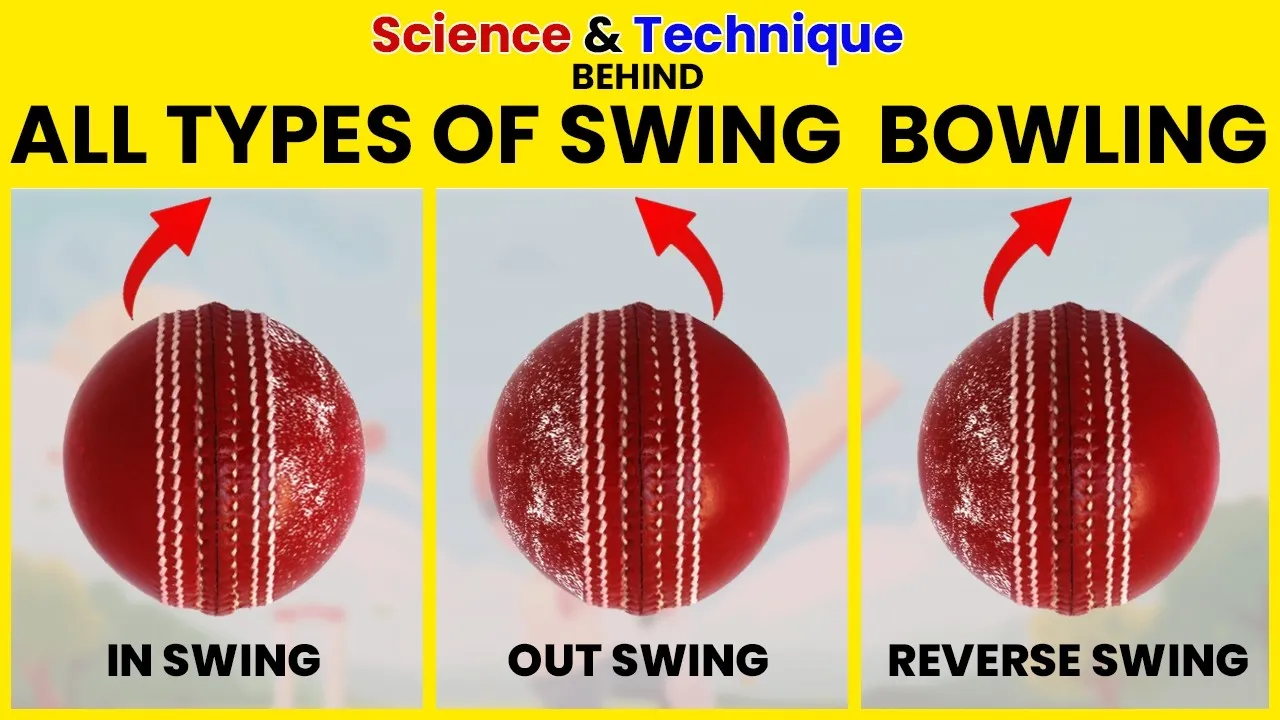
Modern swing bowling tactics have transformed the way fast bowlers dominate batters in modern cricket, blending classical seam movement with data-driven strategies and biomechanics. Swing bowling is no longer just about shiny balls and rough pitches—it’s a science, an art, and a psychological battle wrapped into one delivery.
In today’s game, where batters are more aggressive and formats like T20 demand instant impact, mastering swing is a premium skill. From Jasprit Bumrah’s deceptive late swing to James Anderson’s classical control and Shaheen Afridi’s lethal new-ball spells, swing bowling has evolved into a tactical weapon that can define matches.
This guide explores modern swing bowling from an EEAT perspective—drawing on expert coaching principles, real match examples, and proven techniques used by elite professionals.
Understanding the Evolution of Swing Bowling in Modern Cricket
Swing bowling has existed since the early days of cricket, but the modern era has reshaped how bowlers approach it. Traditional swing relied on natural conditions like humidity, wind, and pitch wear. Today, bowlers combine those factors with analytics, biomechanics, and game theory.
Modern fast bowlers study batter weaknesses, analyze pitch maps, and use ball-tracking data to fine-tune their swing. Coaches now focus on release mechanics, wrist position, seam alignment, and run-up rhythm to maximize movement in the air.
This evolution means swing bowling is no longer reactive—it’s proactive and strategic.
The Science Behind Swing: Why the Ball Moves
Swing occurs when air pressure differences around the ball cause it to curve mid-air. The rough and shiny sides of the ball interact with airflow, creating lateral movement. Seam position also plays a crucial role, guiding the airflow and stabilizing the ball’s trajectory.
In modern cricket, understanding reverse swing has become equally important. As the ball deteriorates, roughness on one side can produce movement at high speeds, allowing bowlers to swing the ball late even on flat pitches.
Professional teams now use high-speed cameras and aerodynamic testing to understand how seam orientation and wrist angle affect swing.
Modern swing bowling tactics for New-Ball Dominance
Modern swing bowling tactics begin with maximizing new-ball movement. The first 10 overs in limited-overs cricket and the early spells in Test matches are crucial for exploiting swing.
Bowlers today focus on maintaining a consistent seam position, delivering at high speeds, and targeting specific lines outside off-stump. Rather than bowling full and wide aimlessly, modern bowlers use subtle variations in length and angle to induce false shots.
Shaheen Afridi, for example, often bowls a full, inswinging delivery to right-handers, followed by a slightly shorter outswinger. This contrast forces batters into indecision, leading to edges or LBWs.
Wrist Position and Seam Control in Modern Swing
One of the most critical advancements in swing bowling is the emphasis on wrist position. Elite bowlers train to keep their wrist upright at release, ensuring the seam remains stable in the air.
Biomechanical studies show that even a slight tilt in the wrist can reduce swing efficiency. Modern coaching drills focus on wrist strength, flexibility, and muscle memory. Bowlers practice releasing the ball with different seam orientations to produce outswing, inswing, and wobble seam deliveries.
The wobble seam delivery, popularized by bowlers like Mohammed Shami, is a modern innovation that creates unpredictable movement by destabilizing the seam.
Modern swing bowling tactics in T20 Cricket
Modern swing bowling tactics in T20 require a balance between aggression and control. Unlike Test cricket, T20 batters attack from ball one, so bowlers must use swing strategically.
In the powerplay, swing bowlers target early wickets with attacking lines. After the powerplay, swing is used as a surprise weapon—slower balls, cutters, and cross-seam deliveries are combined with occasional swinging yorkers.
Bowlers like Trent Boult excel in T20 by using swing sparingly but effectively, often swinging the ball back into the stumps when batters least expect it.
Reverse Swing: The Modern Game-Changer
Reverse swing has become one of the most feared weapons in cricket. Unlike conventional swing, reverse swing occurs with an older ball at high speeds. Bowlers like Wasim Akram pioneered it, but modern players have refined it with better fitness and pace.
Today’s bowlers maintain one side of the ball meticulously while allowing the other side to roughen naturally. They use wrist position and higher speeds to generate late movement.
In modern cricket, reverse swing is often deployed in the middle overs of ODIs or the death overs in Tests, where batters struggle to pick the late movement.
Tactical Line and Length in Modern Swing Bowling
Modern swing bowling is not just about movement—it’s about precision. Bowlers use data analytics to identify scoring zones and weak areas for each batter.
For example, a batter with a weakness against full deliveries outside off-stump will be targeted with outswingers in that corridor. Bowlers use swing to draw batters into risky shots, rather than hoping for mistakes.
This tactical approach has been reinforced by performance analysts who provide bowlers with heat maps, wagon wheels, and dismissal patterns.
Swing Bowling in Different Conditions
Modern swing bowlers adapt their tactics based on conditions. In humid or overcast conditions, swing is more pronounced. In dry and flat conditions, bowlers rely on seam and reverse swing.
In subcontinental pitches, swing is often minimal with the new ball, but reverse swing can be devastating. In England or New Zealand, conventional swing dominates due to atmospheric conditions.
Professional teams now tailor bowling plans based on venue-specific data, allowing swing bowlers to maximize effectiveness.
Fitness and Biomechanics in Modern Swing Bowling
Modern swing bowling demands elite fitness. Swing is more effective at higher speeds, so bowlers train to maintain pace over long spells. Strength training, sprint drills, and core stability exercises are integral to a swing bowler’s regimen.
Biomechanics has also transformed bowling techniques. Coaches analyze run-up rhythm, hip-shoulder separation, and release height to optimize swing. High-speed cameras and motion sensors provide real-time feedback, allowing bowlers to refine their technique.
This scientific approach ensures consistency and reduces injury risk.
Psychological Tactics in Swing Bowling
Swing bowling is as much mental as physical. Bowlers use swing to set traps, build pressure, and exploit batter psychology.
For example, a bowler may repeatedly bowl outswingers to condition a batter, then suddenly deliver an inswinger to trap them LBW. This pattern-based deception is a hallmark of modern bowling strategy.
Elite bowlers also use body language, field placements, and subtle variations to create doubt in the batter’s mind.
The Role of Field Placements in Swing Strategy
Field placements are an extension of swing tactics. Modern captains place slips, gully, and short covers strategically to capitalize on edges.
In limited-overs cricket, ring fielders are positioned to cut off singles, forcing batters to play aggressive shots against swinging deliveries. This pressure often leads to wickets.
Data-driven field placements are now common, with teams using predictive models to position fielders based on batter tendencies.
Technology and Analytics in Swing Bowling
Technology has revolutionized swing bowling. Ball-tracking systems like Hawk-Eye and Smart Ball sensors provide insights into swing, seam movement, and release mechanics.
Teams analyze these metrics to refine bowling plans and individual techniques. Coaches use video analysis to study wrist position, seam orientation, and release angles.
This integration of technology has elevated swing bowling from intuition to precision science.
Training Drills for Modern Swing Bowlers
Modern swing bowlers follow specialized drills to improve movement and control. These include wrist-strength exercises, seam alignment drills, and target-based bowling sessions.
Bowlers also practice with different ball conditions, simulating match scenarios. Some academies use wind tunnels and aerodynamic simulations to study swing behavior.
These advanced training methods reflect the professionalization of swing bowling in the modern era.
Swing Bowling in Red-Ball vs White-Ball Cricket
Swing behaves differently in red-ball and white-ball formats. The red ball swings longer due to its pronounced seam and surface texture. The white ball swings less but can reverse more dramatically at high speeds.
Modern bowlers adjust their tactics accordingly. In Tests, they focus on sustained swing and patience. In limited-overs cricket, they use swing in short bursts to create breakthroughs.
Understanding these differences is essential for modern bowlers transitioning between formats.
Case Study: James Anderson’s Swing Mastery
James Anderson is a benchmark for swing bowling. His ability to swing the ball both ways with minimal effort has made him one of the greatest fast bowlers in history.
Anderson’s success lies in his wrist position, seam control, and relentless accuracy. He studies batters meticulously and uses swing to exploit even minor technical flaws.
His approach exemplifies how experience, technique, and tactical intelligence combine in modern swing bowling.
Case Study: Jasprit Bumrah’s Modern Swing Approach
Jasprit Bumrah represents the modern evolution of swing bowling. His unique action, late release, and deceptive variations make him difficult to read.
Bumrah uses swing in combination with yorkers, slower balls, and seam movement. His ability to swing the ball at high speeds in the death overs showcases the modern blend of skill and innovation.
His success highlights how modern bowlers integrate swing into a broader tactical arsenal.
Environmental Factors Affecting Swing Today
Modern swing bowlers also consider environmental factors like humidity, temperature, and wind. Teams monitor weather data to predict swing potential and adjust bowling plans.
For example, overcast conditions in England often lead captains to bowl first to exploit swing. In contrast, hot and dry conditions may reduce swing but enhance reverse swing later in the innings.
This environmental awareness is a key component of modern bowling strategy.
The Future of Swing Bowling
The future of swing bowling lies in further integration of technology, biomechanics, and analytics. Smart cricket balls, AI-driven performance analysis, and virtual reality training are already being tested.
Young bowlers are learning swing techniques earlier, supported by scientific coaching frameworks. As batters continue to innovate, swing bowlers will evolve with new variations and tactical approaches.
The art of swing will remain central to fast bowling, but its execution will become increasingly data-driven and precise.
Modern swing bowling tactics represent the perfect blend of tradition and innovation. From classical seam movement to advanced analytics and biomechanics, swing bowling has evolved into a sophisticated craft that can dominate modern cricket across formats.
Read also:-
zimbabwe national cricket team vs ireland cricket team match scorecard
new zealand national cricket team vs sri lanka national cricket team players
new zealand women’s national cricket team vs pakistan women’s national cricket team