
Mobile gaming trends have transformed the entertainment landscape over the last decade. From simple puzzle games to immersive multiplayer experiences, mobile gaming has become a dominant force in the gaming industry. The rise of smartphones, high-speed internet, and advanced graphics capabilities has fueled this growth, making mobile games accessible to millions worldwide.
Whether it’s casual games like Candy Crush or competitive titles like PUBG Mobile, understanding mobile gaming trends helps developers, marketers, and gamers stay ahead of the curve. The evolution of mobile gaming is driven by technology, player behavior, and innovative monetization strategies.
The Evolution of Mobile Gaming Trends
Mobile gaming started with simple, offline games such as Snake and Tetris on early mobile phones. As smartphones became more powerful, games shifted from 2D to 3D graphics, providing immersive experiences comparable to console gaming. Today, mobile gaming trends emphasize social interaction, augmented reality, and real-time multiplayer gameplay.
The introduction of app stores like Google Play and Apple App Store also democratized game distribution, allowing independent developers to reach global audiences. This expansion contributed to a surge in gaming apps and led to fierce competition, pushing developers to innovate continuously.
Popular Genres Driving Mobile Gaming Trends
Casual games continue to dominate downloads, attracting players with simple mechanics and short play sessions. Meanwhile, battle royale games, strategy games, and MMORPGs are driving engagement and revenue. Mobile gaming trends increasingly favor games that combine competitive play, social features, and in-app purchases.
-
Casual Games: Easy-to-play games suitable for quick sessions
-
Battle Royale: Multiplayer games emphasizing competition and strategy
-
Strategy & Simulation: Games requiring tactical thinking and planning
-
MMORPGs: Social games with persistent worlds and cooperative play
These genres illustrate the diversity of mobile gaming and indicate where developers are focusing innovation.
Technological Drivers Behind Mobile Gaming Trends
Augmented Reality (AR) and Virtual Reality (VR)
AR and VR are redefining mobile gaming trends by blending digital elements with real-world environments. Games like Pokémon GO have demonstrated the potential of AR, encouraging players to explore their surroundings while engaging with virtual content. VR on mobile, although limited by hardware, is beginning to offer immersive experiences through mobile-compatible headsets.
Cloud Gaming and Streaming
Cloud gaming eliminates the need for high-end hardware by allowing games to run on remote servers while streaming to mobile devices. This trend enables players to access high-quality graphics and complex games on mid-range smartphones, broadening accessibility. Developers are leveraging cloud technology to expand their audience and offer subscription-based gaming models.
Artificial Intelligence (AI) in Mobile Games
AI is shaping mobile gaming trends by enhancing game mechanics, personalizing player experiences, and improving in-game behavior. Smart AI opponents, adaptive difficulty, and personalized content recommendations keep players engaged longer. AI analytics also help developers identify trends, optimize monetization, and design better games.
Social and Community Influences
The social aspect of gaming is a major driver of mobile gaming trends. Multiplayer features, online leaderboards, and social sharing encourage players to compete and collaborate. Platforms like Discord and Twitch integrate social experiences, allowing gamers to connect, stream gameplay, and participate in communities.
Esports has also emerged as a significant factor, with competitive mobile gaming tournaments drawing millions of viewers globally. Games like Mobile Legends and Free Fire have thriving competitive scenes, demonstrating the impact of social engagement on game popularity.
Monetization Shaping Mobile Gaming Trends
In-app purchases, ads, and subscriptions are the primary revenue streams for mobile games. Freemium models dominate the market, where the base game is free, but players can buy enhancements or cosmetic items. These monetization strategies directly influence mobile gaming trends, as developers balance player satisfaction with revenue generation.
Games are also exploring gamification techniques, rewarding players for consistent engagement, daily logins, and social interactions. These approaches foster loyalty and increase lifetime value, creating sustainable revenue models for developers.
Emerging Mobile Gaming Trends
Cross-Platform Play
Cross-platform functionality is growing in popularity. Players can compete with others on consoles or PCs while using their mobile devices. This trend fosters larger player bases, enhances engagement, and encourages a more seamless gaming experience.
Hyper-Casual Gaming
Hyper-casual games focus on simple mechanics, minimal design, and short play sessions. These games have exploded in popularity due to their accessibility and instant gratification, reflecting a key shift in mobile gaming trends towards convenience and quick entertainment.
Blockchain and NFT Integration
Blockchain technology and NFTs are starting to influence mobile gaming. Players can own, trade, and sell unique digital assets, adding a layer of ownership and value to in-game achievements. Although still emerging, this trend may redefine how gamers perceive in-game content.
Personalization and Adaptive Gameplay
Developers are increasingly using AI to personalize game experiences. From dynamic difficulty adjustments to tailored recommendations, mobile gaming trends are shifting towards highly adaptive gameplay that responds to individual player behavior.
Table: Top Mobile Gaming Trends in 2025
| Trend | Description | Examples | Impact |
|---|---|---|---|
| AR/VR Integration | Blending real-world with virtual elements | Pokémon GO, AR Battle Games | Increased engagement & exploration |
| Cloud Gaming | Stream high-quality games on mobile | Xbox Cloud, NVIDIA GeForce Now | Accessibility & high-end gaming on mid-range devices |
| AI & Personalization | Adaptive gameplay and smart NPCs | AI-driven RPGs | Enhanced player retention & satisfaction |
| Social & Multiplayer | Online competition & collaboration | Free Fire, Mobile Legends | Community building & increased engagement |
| Hyper-Casual Games | Simple, quick-play games | Helix Jump, Stack | Mass appeal & viral growth |
| Blockchain & NFTs | Digital asset ownership in-game | Axie Infinity, NFT-based RPGs | New monetization & player investment |
Case Study: PUBG Mobile and Mobile Gaming Trends
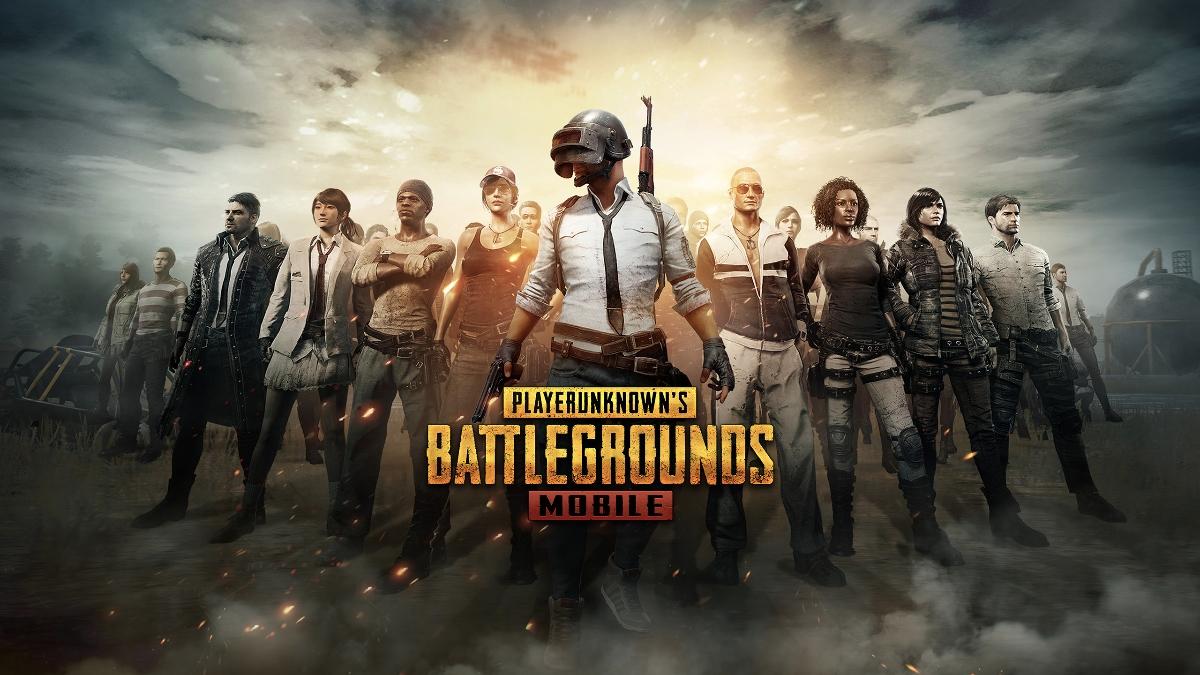
PUBG Mobile exemplifies several mobile gaming trends: battle royale gameplay, social multiplayer features, cloud optimization, and seasonal content updates. Its success illustrates how integrating technology, social engagement, and monetization strategies can create long-term player retention and revenue growth.
Future Outlook for Mobile Gaming Trends
The future of mobile gaming is poised for continued growth. Emerging technologies like 5G, AR glasses, and AI-driven content will further expand possibilities. Developers are likely to focus on cross-platform ecosystems, immersive experiences, and personalized gaming journeys.
With more players accessing mobile games than ever before, understanding mobile gaming trends is crucial for developers, marketers, and investors seeking to capitalize on this booming industry.
Read also:
addicting games
skillmachine net
barapk org
cricket 07 wheon.com