
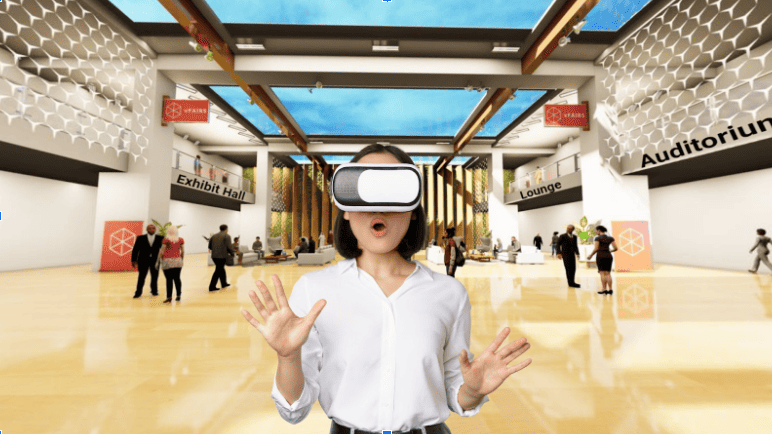
Metaverse event experiences are reshaping how we attend, engage with, and remember events in the digital age. By combining immersive virtual environments, interactive avatars, and real-time social interactions, these experiences offer a level of engagement traditional online events can rarely match. From music festivals to corporate conferences, the metaverse is revolutionizing event planning and participation.
Imagine stepping into a virtual auditorium, greeting colleagues or friends with animated avatars, and exploring digital booths that feel as tangible as real-life setups. Metaverse event experiences provide not only convenience but also a sense of presence and connection that was previously missing from online events.
How Metaverse event experiences Work
At the core of Metaverse event experiences is virtual reality (VR), augmented reality (AR), and interactive 3D environments. Attendees access these events via VR headsets, computers, or even mobile devices, allowing for rich visual and auditory immersion.
AI-driven avatars enhance social interaction, enabling participants to network, communicate, and collaborate naturally within the digital environment. Event organizers can create customized venues, interactive stages, and gamified elements to keep attendees engaged throughout the event.
For example, a recent fashion show in the metaverse allowed participants to virtually walk through digital runways, explore 3D models of the latest collections, and interact with designers—all from home. These immersive interactions exemplify the potential of metaverse events to deliver experiences far beyond traditional webinars or livestreams.
Benefits of Immersive Metaverse event experiences
One of the most compelling advantages of Metaverse event experiences is accessibility. Attendees from any location can join without travel, visas, or scheduling conflicts, drastically widening the audience.
Engagement is another key benefit. Interactive features such as virtual networking lounges, live Q&A sessions, and mini-games keep participants active, promoting retention and satisfaction. Participants can explore, interact, and collaborate, making events dynamic rather than passive.
Cost efficiency also plays a role. Organizers save on venue rentals, logistics, and travel, while still delivering high-quality, memorable events. Digital environments also provide valuable analytics, tracking attendee behavior, session engagement, and interaction patterns to refine future events.
Real-World Examples of Metaverse event experiences
Several organizations have already leveraged Metaverse event experiences to create impactful digital gatherings. Music festivals hosted in virtual worlds allow fans worldwide to attend live concerts, customize avatars, and interact in ways that mirror real-world experiences.
Corporate conferences are increasingly exploring the metaverse as well. Tech companies have hosted product launches and interactive workshops in virtual environments, providing attendees with personalized agendas, networking spaces, and immersive demos.
Even educational institutions are experimenting with metaverse events for seminars, graduation ceremonies, and workshops. By creating lifelike virtual campuses and interactive lecture halls, they enable global participation and foster collaboration beyond geographical constraints.
Challenges in Implementing Metaverse event experiences
Despite their appeal, Metaverse event experiences present challenges. High-quality VR and AR equipment may not be accessible to all participants, potentially limiting reach.
Technical issues such as latency, compatibility, and platform limitations can also affect user experience. Organizers must carefully plan infrastructure, testing, and support to ensure seamless events.
Another challenge is attendee onboarding. Users unfamiliar with metaverse environments may require guidance or tutorials to navigate virtual spaces effectively. Ensuring inclusivity and ease of use is essential for engagement.
The Future of Metaverse event experiences
The future of Metaverse event experiences is bright and full of innovation. Advancements in VR, AR, haptic feedback, and AI-driven personalization will make virtual events increasingly realistic and emotionally engaging.
We can anticipate AI-powered avatars capable of real-time emotional expression, adaptive content that changes based on participant behavior, and global networking spaces that simulate in-person interactions. Event organizers will be able to craft hyper-personalized experiences, ensuring every attendee finds value.
Metaverse events may also become standard for hybrid models, combining physical gatherings with digital participants seamlessly. This ensures inclusivity while maximizing engagement and reach, pushing the boundaries of traditional event planning.
Ethical and Responsible Implementation
As Metaverse event experiences evolve, ethical considerations are crucial. Privacy and data security are top priorities, as digital events collect detailed behavioral and interaction data. Organizers must ensure transparent data usage policies to build trust among attendees.
Accessibility is another concern. Ensuring that metaverse platforms accommodate participants with disabilities, language differences, and technology constraints is essential for equitable participation.
Sustainable practices are also important. By reducing travel and physical resource consumption, metaverse events can lower environmental impact while maintaining engaging and impactful experiences.
Enhancing Networking and Collaboration
One of the strongest advantages of Metaverse event experiences is the potential to foster meaningful connections. Virtual networking lounges, AI matchmaking, and interactive workshops allow participants to connect with like-minded individuals globally.
Collaborative spaces enable brainstorming, team projects, and interactive discussions, regardless of participants’ physical locations. Digital whiteboards, VR meeting rooms, and gamified collaboration tools make networking both engaging and productive.
Even large-scale events can maintain intimacy. Attendees can receive curated session recommendations, personalized agendas, and targeted introductions, creating meaningful interactions that mimic in-person networking.
Preparing Organizations for Successful Metaverse Events
To harness Metaverse event experiences effectively, organizations must adopt a strategic approach. Planning begins with understanding audience demographics, platform capabilities, and event objectives. Pilot programs help identify technical challenges and optimize engagement strategies.
Staff training is crucial. Event teams must learn to manage virtual environments, facilitate interactions, and troubleshoot technical issues in real-time.
Post-event analytics provides critical insights for continuous improvement. By analyzing session participation, engagement patterns, and attendee feedback, organizers can refine future metaverse events for even greater impact.
Metaverse Event Experiences for Lifelong Learning
The impact of Metaverse event experiences extends to education and professional development. Workshops, seminars, and training sessions hosted in immersive environments allow learners worldwide to participate fully.
Participants can engage with interactive modules, virtual demonstrations, and collaborative exercises, creating hands-on experiences that enhance knowledge retention. Lifelong learners benefit from the flexibility and interactivity of metaverse events, gaining skills and insights without geographical or logistical limitations.
This democratization of learning ensures that education, training, and networking opportunities are accessible to a wider audience than ever before, fostering global collaboration and innovation.
Read also: