
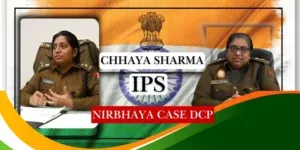
Understanding IPS Role
The Indian Police Service is one of the most respected civil services in the country. Every year thousands of candidates prepare for the UPSC examination with the hope of becoming an IPS officer. An officer in this service is responsible for maintaining law and order, preventing crime, managing police departments, and ensuring public safety in different regions. Many people search for IPS Corner because they want reliable information collected in one place instead of reading scattered sources across different websites.
The job is not limited to wearing a uniform or handling criminal cases. It also includes leadership, crisis management, disaster response, cybercrime investigation, intelligence coordination, and maintaining peace during public events. The responsibilities continue to grow as technology and modern crime evolve.
Eligibility Basics
The journey starts with the Civil Services Examination conducted by UPSC. A candidate must hold a bachelor’s degree from a recognized university. Final-year students are also allowed to apply under the prescribed conditions. The minimum age is generally twenty-one years, while the upper age limit depends on the category according to government rules.
Nationality requirements are also important. For IPS, a candidate must generally be an Indian citizen. Along with educational qualifications, physical standards are checked during the selection process. Height, chest measurements, and eyesight are evaluated because police service demands physical fitness along with mental strength.
Preparing early gives candidates enough time to understand the syllabus instead of rushing through topics during the final months.
Selection Process
The selection process contains three major stages. The first stage is the Preliminary Examination, which works as a screening test. Candidates who qualify move to the Main Examination. This stage contains descriptive papers that evaluate knowledge, analytical ability, writing skills, and understanding of different subjects.
After clearing the written examination, shortlisted candidates appear for the Personality Test. This interview is not designed to confuse applicants with impossible questions. Instead, the board evaluates confidence, decision-making ability, communication skills, awareness of current affairs, and suitability for public service.
Final ranking depends on the marks obtained in the Main Examination and the Personality Test. Based on rank, preference, vacancies, and reservation rules, services are allotted to successful candidates.
Training Journey
Selected candidates receive foundation training before joining specialized police training. IPS probationers undergo extensive instruction covering criminal law, investigation methods, weapon handling, leadership development, physical endurance, and tactical operations.
Outdoor exercises remain an important part of the schedule. Running, obstacle courses, horse riding, swimming, firing practice, and field exercises prepare officers for demanding situations. Classroom learning is equally valuable because officers must understand legal procedures, administrative systems, forensic science, cyber security, and public administration.
Training builds discipline gradually. Every activity is designed to improve judgment, confidence, teamwork, and responsibility.
Daily Responsibilities
Life as an IPS officer changes according to the posting. Some officers supervise districts, while others work in specialized branches such as crime investigation, intelligence, anti-terror operations, traffic management, or cybercrime units.
A typical day can include reviewing crime reports, inspecting police stations, attending public meetings, coordinating with district officials, managing emergency situations, approving investigations, and monitoring law enforcement activities. Unexpected incidents often require immediate attention regardless of holidays or personal schedules.
Decision-making under pressure becomes a regular part of professional life. Officers frequently balance legal requirements with public expectations while ensuring fairness in every action.
Important Skills
Academic knowledge alone cannot make someone an effective police officer. Leadership remains one of the strongest qualities required throughout the career. Officers must motivate teams, resolve conflicts, and maintain discipline under difficult circumstances.
Communication skills help during investigations, public interaction, and administrative meetings. Emotional control is equally valuable because stressful situations demand calm thinking instead of emotional reactions.
Problem-solving ability, patience, honesty, physical fitness, and ethical decision-making contribute significantly to long-term success. Continuous learning also matters because laws, technology, and criminal methods continue changing every year.
Career Progression
An IPS officer starts with probation before receiving field postings. Promotions occur through experience, performance, departmental rules, and available vacancies. Officers may eventually serve as Superintendent of Police, Deputy Inspector General, Inspector General, Additional Director General, and Director General of Police.
Some officers are appointed to central organizations where they work on intelligence, border security, investigation agencies, or national security assignments. These opportunities allow officers to contribute beyond state-level policing.
Career growth depends not only on seniority but also on professional integrity, administrative capability, and consistent performance throughout service.
Preparation Strategy
Preparation becomes easier when candidates follow a structured approach instead of collecting endless study material. Reading standard books thoroughly usually works better than changing resources every few weeks.
Daily newspaper reading improves understanding of governance, economy, international relations, and current affairs. Revision should become a regular habit because information fades quickly without repeated practice.
Mock tests help identify weaknesses before the actual examination. Writing practice is equally essential for the Main Examination because knowledge alone cannot guarantee good scores if answers lack clarity and structure.
Many aspirants also prepare short notes for quick revision during the final weeks before the examination.
Common Mistakes
One frequent mistake involves ignoring the syllabus. Candidates sometimes spend months studying topics that carry little relevance in the examination. Another common error is avoiding answer writing until the final stage of preparation.
Some aspirants depend entirely on coaching institutes without developing self-study habits. Others continuously switch books after reading online recommendations. This often creates confusion instead of improving understanding.
Neglecting physical health also affects preparation. Regular sleep, balanced nutrition, and moderate exercise improve concentration and productivity over long study sessions.
Searching for IPS Corner resources can be useful, but candidates should always verify information with official notifications before making important decisions.
Future Opportunities
Modern policing is expanding into new areas including cybercrime, financial investigation, digital evidence analysis, artificial intelligence applications, and forensic technology. Officers who continue learning throughout their careers often receive opportunities in specialized departments.
International training programs, administrative assignments, disaster management roles, and leadership positions become available for experienced officers. The profession continues evolving alongside changes in society and technology, making lifelong learning an important part of the career.
Candidates who begin preparation with realistic expectations usually remain more consistent than those focusing only on the final result.
Conclusion
Choosing the Indian Police Service is much more than selecting a government job because it represents a long-term commitment to public service, discipline, and responsible leadership. officersdetails.com can serve as a helpful destination for readers looking to understand career paths, eligibility details, and civil service information in one place. Consistent preparation, honest self-evaluation, and steady improvement remain far more valuable than shortcuts or last-minute study plans. Whether you are starting your UPSC journey or refining your strategy, keep learning every day, stay physically and mentally prepared, and work with patience toward your goal of becoming an IPS officer. Explore trusted resources, remain updated with official notifications, and take the next step in your preparation with confidence.
Read also :-