
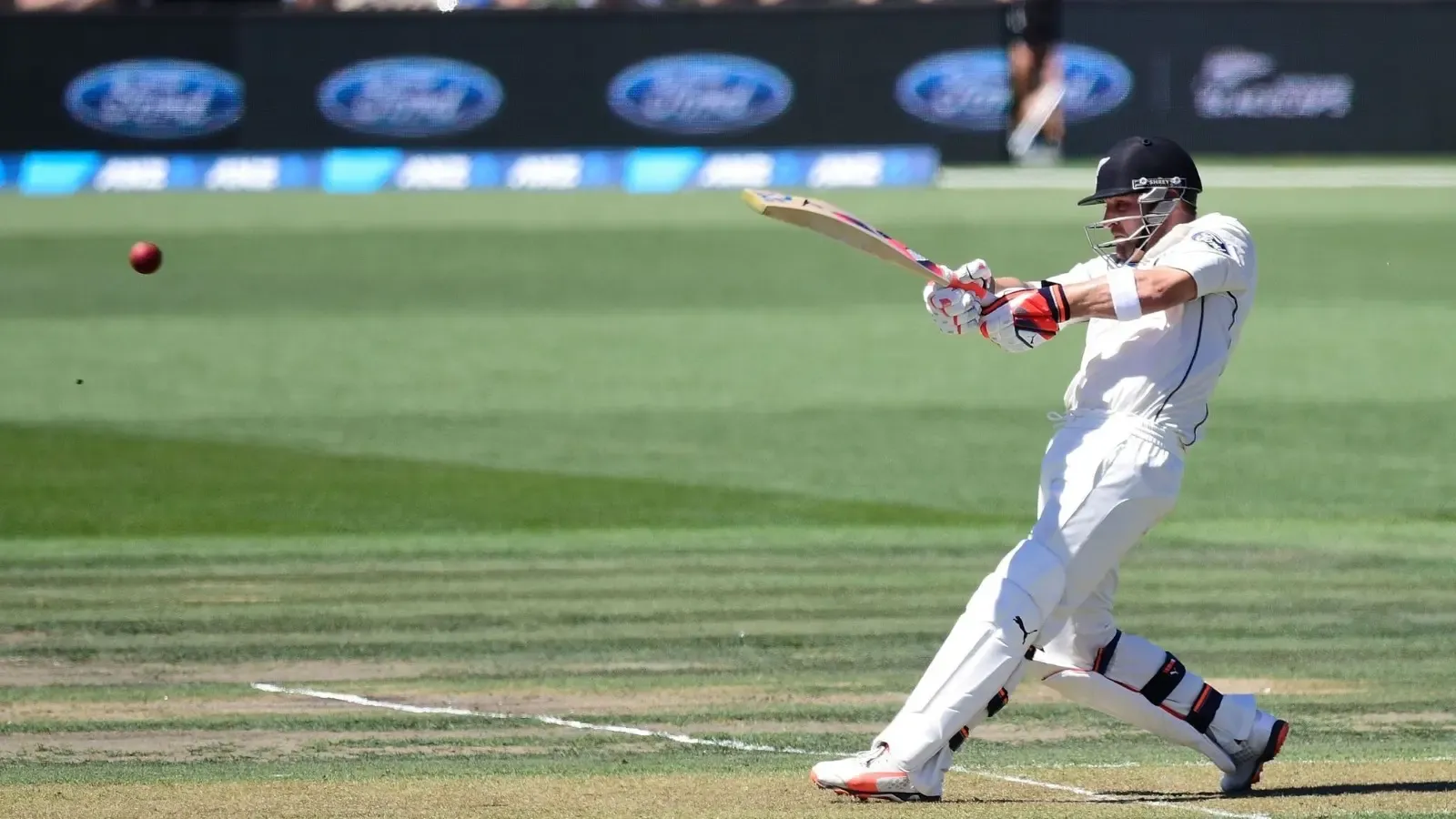
Fastest centuries in cricket history have always carried a special kind of magic. They are not just milestones; they are moments when time seems to bend, bowlers lose rhythm, and stadiums erupt in disbelief.
Every cricket fan remembers where they were when a batter raced to a hundred in record time. It’s not just about runs. It’s about dominance, audacity, and the thrill of acceleration.
Across formats, these lightning-fast tons have redefined what is possible with a bat in hand.
Table of Contents
ToggleThe Evolution of Fast Scoring in Cricket
Cricket was once associated with patience and long innings. Test matches rewarded technique and endurance.
Then one-day cricket emerged. Later, T20 cricket completely changed the rhythm of the game.
Powerplays, field restrictions, and fearless batting approaches encouraged aggressive intent from ball one.
As formats evolved, so did scoring rates. The rise of Fastest centuries in cricket history reflects this transformation.
AB de Villiers and the 31-Ball Masterpiece
When discussing iconic records, one name stands above many others.
AB de Villiers smashed a 31-ball century against the West Indies cricket team in 2015.
It remains the fastest century in One Day International cricket.
What made it extraordinary wasn’t just the speed. It was the range of shots—scoops, reverse sweeps, inside-out drives—all executed flawlessly.
Moments like these define Fastest centuries in cricket history and elevate them into legend.
Chris Gayle’s T20 Storm
In T20 cricket, destruction often arrives without warning.
Chris Gayle hammered a 30-ball century in the Indian Premier League while playing for Royal Challengers Bangalore.
That innings felt unreal.
Sixes disappeared into the night sky. Bowlers looked helpless. The scoreboard moved faster than commentators could process.
Such performances sit comfortably among the Fastest centuries in cricket history, symbolizing the fearless T20 era.
Brendon McCullum’s Test Fireworks
Fast centuries are not limited to limited-overs formats.
Brendon McCullum smashed the fastest Test century off just 54 balls against Australia national cricket team.
Test cricket rarely witnesses such aggression.
His innings was emotional, played in his farewell match. It redefined how attacking intent could coexist with the longest format.
The diversity of formats proves that Fastest centuries in cricket history transcend boundaries.
Shahid Afridi’s Teenage Explosion
Back in 1996, a young Shahid Afridi stunned the cricketing world with a 37-ball ODI century.
At the time, it felt revolutionary.
His fearless approach introduced a new brand of aggressive batting in international cricket.
Afridi’s innings paved the way for future power-hitters who would later dominate the list of Fastest centuries in cricket history.
Women’s Cricket and Rapid Milestones
The women’s game has also produced remarkable fast centuries.
Deandra Dottin scored a blistering T20 World Cup hundred in just 38 balls.
It was a landmark moment for women’s cricket.
Her innings demonstrated that explosive batting belongs equally in the women’s arena.
These achievements expand the narrative of Fastest centuries in cricket history beyond traditional boundaries.
What Makes a Century “Fast”?
Speed in cricket isn’t random.
Field restrictions during powerplays offer early scoring opportunities. Batters target weaker bowlers strategically.
Pitch conditions also play a role. Flat surfaces with short boundaries encourage risk-taking.
But beyond conditions, mindset matters most.
Batters chasing records in Fastest centuries in cricket history often combine confidence with controlled aggression.
The Psychological Impact on Opponents
When a batter races past fifty in twenty balls, panic spreads quickly.
Field placements change repeatedly. Bowlers lose their lengths.
Momentum shifts entirely.
A rapid century doesn’t just boost the batting side; it demoralizes opponents.
That psychological shift explains why Fastest centuries in cricket history often lead to dominant team victories.
Technology and Modern Batting
Modern equipment contributes significantly.
Lighter bats with thicker edges allow mistimed shots to clear boundaries.
Fitness standards have improved dramatically. Players generate more power through enhanced strength training.
Video analysis helps batters identify bowlers’ weaknesses before stepping onto the field.
These factors collectively support the frequency of Fastest centuries in cricket history in recent decades.
Strike Rate as the New Benchmark
Traditional cricket valued averages.
Modern cricket values strike rate equally, if not more.
A century off 60 balls may be more impactful than a steady 120 off 150 balls in limited-overs cricket.
Fans now celebrate acceleration as much as accumulation.
This shift in perspective keeps pushing boundaries in the quest for Fastest centuries in cricket history.
Memorable World Cup Moments
World Cups amplify pressure and significance.
When a batter scores a lightning century on such a stage, it becomes immortal.
Fans recall tournament-defining knocks long after records are broken.
High-stakes environments elevate performances into iconic chapters of Fastest centuries in cricket history.
Risk Versus Reward
Aggressive batting carries inherent risk.
A batter attempting quick runs may fall early. But calculated aggression can redefine matches.
Coaches now encourage positive intent rather than defensive caution.
This philosophy supports the growing list of Fastest centuries in cricket history, as teams prioritize fearless cricket.
Young Generation Embracing Aggression
Today’s young cricketers grow up watching explosive highlights.
They emulate unconventional shots—ramps, switch hits, reverse scoops.
Fearlessness defines their approach.
This cultural shift ensures the future will likely witness even quicker milestones.
The record books for Fastest centuries in cricket history may continue to evolve rapidly.
Test Cricket’s Changing Attitude
Even traditional Test teams now adopt attacking mindsets.
England’s aggressive “Bazball” approach under modern leadership reflects this evolution.
Scoring quickly in Tests forces results rather than draws.
Such strategies contribute to more entries in the conversation around Fastest centuries in cricket history, even in five-day cricket.
Statistical Context and Authentic Records
Credible cricket statistics rely on verified data from official governing bodies like the International Cricket Council.
Accurate record-keeping ensures authenticity.
Trusted databases track ball-by-ball breakdowns to validate century speeds.
Transparency in documentation strengthens the credibility of lists featuring Fastest centuries in cricket history.
Fan Culture and Viral Moments
In the digital era, rapid centuries go viral instantly.
Clips circulate across social media within minutes.
Fans celebrate milestones collectively online.
This digital amplification adds cultural weight to already historic achievements.
The combination of performance and instant visibility magnifies the impact of Fastest centuries in cricket history.
Cricket continues to evolve, but one element remains constant.
The thrill of watching a batter race to three figures in breathtaking time never fades.
It’s a spectacle that blends power, precision, and nerve.
Each new record pushes the sport further, inspiring future generations to swing harder, think faster, and chase greatness.
And somewhere, in a packed stadium or on a quiet practice ground, the next historic hundred is already taking shape.