
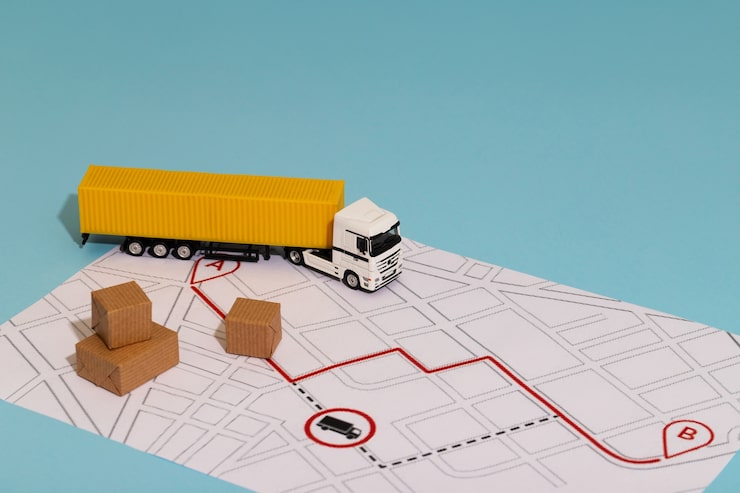
Courier Fleet Tracking is transforming the logistics and courier industry by providing real-time insights into vehicle locations, delivery status, and operational efficiency. With the rise of e-commerce and increasing customer expectations, businesses must adopt advanced tracking solutions to stay competitive and meet delivery deadlines.
Today, courier companies face pressure to deliver faster, maintain transparency, and reduce operational costs. Fleet tracking systems not only address these challenges but also enhance customer satisfaction and streamline the workflow of delivery personnel.
How Courier Fleet Tracking Improves Operational Efficiency
Effective fleet tracking allows managers to monitor every vehicle in the network, ensuring that routes are optimized and delays are minimized. By analyzing data collected from GPS systems, courier companies can make informed decisions on route planning, dispatch management, and vehicle maintenance schedules.
For instance, a courier company operating in a metropolitan area can use live tracking to avoid traffic congestion. This reduces fuel consumption, prevents late deliveries, and maximizes the number of parcels delivered per day. Businesses that implement Courier Fleet Tracking report significant improvements in efficiency and profitability.
Real-Time Visibility and Customer Satisfaction
Customers today expect transparency in their deliveries. Real-time tracking enables recipients to monitor their packages, reducing anxiety and improving overall satisfaction. Many logistics platforms integrate tracking links directly into emails or apps, providing accurate ETAs and status updates.
A practical example is a food delivery company that uses fleet tracking to ensure hot meals reach customers on time. Delivery personnel receive optimized routes, while customers get precise updates, creating a seamless experience that builds trust and loyalty.
Enhancing Safety and Security Through Tracking
Safety is a crucial aspect of courier operations. Fleet tracking systems allow managers to monitor driver behavior, including speed, harsh braking, and route adherence. Alerts can be triggered for unsafe practices, ensuring both the safety of drivers and the security of parcels.
In addition, tracking helps prevent theft or loss. If a vehicle is diverted from its assigned route, alerts notify supervisors immediately, allowing corrective action. Implementing Courier Fleet Tracking not only protects assets but also reinforces accountability among staff.
Reducing Operational Costs with Smart Tracking
Fleet management can be expensive without proper oversight. Tracking systems provide insights into fuel consumption, idle times, and maintenance needs, helping businesses identify areas to cut costs. Predictive maintenance alerts prevent costly breakdowns and reduce vehicle downtime.
For example, a courier company noticing frequent idling can implement driver training or route adjustments to save fuel. Over time, these small improvements accumulate, lowering overall operational expenses and increasing margins.
Integration with Delivery Management Software
Modern tracking solutions often integrate seamlessly with delivery management software. This integration allows managers to assign tasks, track completed deliveries, and maintain accurate records for billing or customer support.
By combining route optimization, delivery scheduling, and vehicle tracking, companies create a centralized system that streamlines daily operations. Drivers benefit from clear instructions, while managers gain visibility into operational performance metrics.
Supporting Scalable Growth for Courier Companies
As businesses expand, managing an increasing number of vehicles becomes challenging. Fleet tracking solutions enable scalable growth by automating monitoring, reporting, and analysis. Managers can handle larger networks without additional manual effort, ensuring consistent service quality.
A rapidly growing e-commerce courier, for example, can scale its fleet while maintaining delivery accuracy and efficiency, thanks to real-time Courier Fleet Tracking tools. This positions companies to meet demand spikes, seasonal peaks, or geographic expansion confidently.
Leveraging Data for Strategic Decision-Making
Fleet tracking generates valuable data that can inform strategic decisions. Companies can identify high-performing routes, analyze delivery times, and spot recurring bottlenecks. Over time, this information guides resource allocation, staffing, and investment in additional vehicles.
For example, analyzing data may reveal certain delivery zones consistently cause delays due to traffic or narrow streets. By adjusting delivery schedules or deploying smaller vehicles, companies optimize performance while maintaining service reliability.
Environmental Impact and Sustainable Logistics
Optimizing routes through fleet tracking not only improves efficiency but also reduces carbon emissions. Fewer idle vehicles and shorter routes translate into lower fuel consumption, supporting sustainability initiatives.
Courier businesses adopting green logistics strategies often use fleet tracking to monitor vehicle efficiency and implement eco-friendly practices. Customers increasingly value companies prioritizing sustainability, making this an essential factor in modern courier operations.
Real-Life Applications and Success Stories
Several courier companies worldwide report significant improvements after implementing fleet tracking systems. A mid-sized regional courier noted a 20% reduction in delivery times, while fuel expenses dropped by 15% due to optimized routes.
In another example, a global logistics firm used fleet tracking to monitor cross-country deliveries, ensuring timely updates to international clients. The integration of GPS tracking, real-time alerts, and route analytics contributed to higher customer satisfaction and operational transparency.
Best Practices for Implementing Fleet Tracking
Successful implementation requires careful planning. Businesses should select scalable software compatible with their existing systems. Training drivers and staff ensures effective adoption, while continuous monitoring of KPIs guarantees optimal performance.
Regularly updating routes based on traffic patterns, seasonal changes, and delivery volumes maximizes the benefits of Courier Fleet Tracking. Continuous feedback loops between management and drivers improve efficiency, safety, and service quality.
Future Trends in Courier Fleet Tracking
The future of fleet tracking is closely tied to AI, IoT, and autonomous vehicle technologies. Predictive analytics can forecast delivery times more accurately, while sensors monitor vehicle health and road conditions in real-time.
Emerging trends include smart routing algorithms, integration with drone deliveries, and real-time customer interaction features. Businesses adopting these innovations position themselves as leaders in the competitive courier and logistics industry.
Maximizing ROI from Fleet Tracking
Investing in fleet tracking technology yields measurable returns. Reduced fuel costs, improved delivery times, lower maintenance expenses, and enhanced customer satisfaction contribute to a higher ROI.
Businesses that continuously analyze data, refine operations, and integrate tracking insights into strategic planning achieve long-term growth. Courier Fleet Tracking is no longer optional; it’s an essential tool for modern logistics success.
Read also:
england cricket team vs india national cricket team match scorecard
india national cricket team vs south africa national cricket team match scorecard
pakistan national cricket team vs india national cricket team match scorecard
jsk vs mi
dallas mavericks vs houston rockets match player stats
lakers vs golden state warriors match player stats
golden state warriors vs sacramento kings stats