
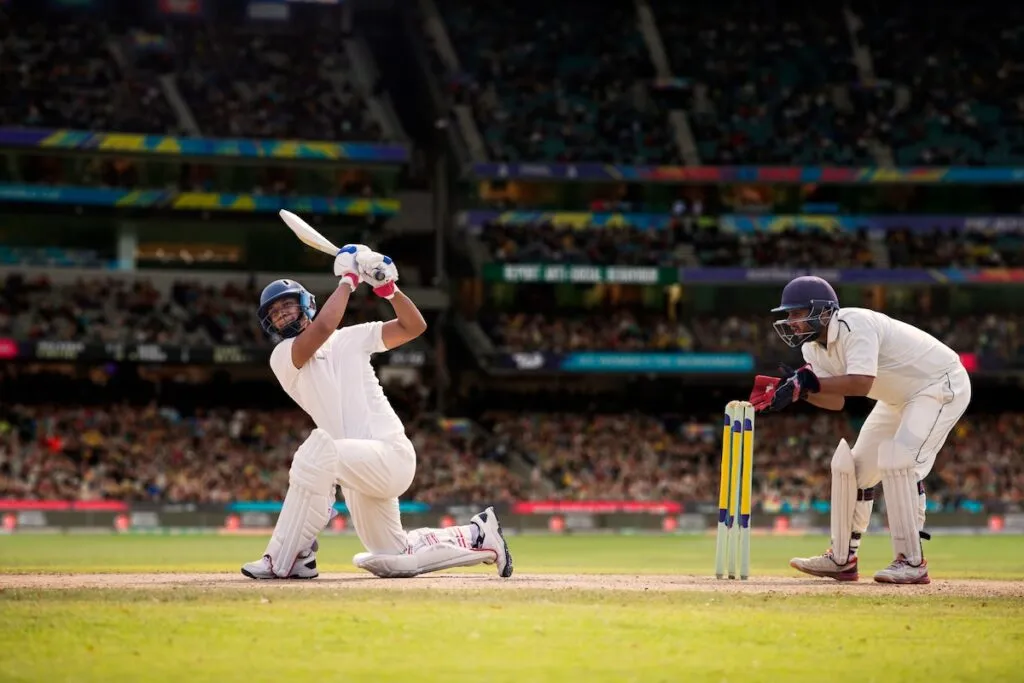
Core Stability Cricket training has emerged as one of the most crucial yet often overlooked components of comprehensive cricket preparation. While players obsess over batting technique and bowling actions, the foundation supporting every cricket movement originates from a stable, powerful core that transfers force efficiently throughout the kinetic chain.
My perspective on core training changed completely after watching a talented opening batsman struggle with persistent lower back pain during his breakthrough season. Despite beautiful technique and hours of net practice, he couldn’t bat more than thirty overs without debilitating discomfort forcing retirement from the crease. A sports physiotherapist assessed his movement and discovered essentially zero core stability. His spine moved excessively during rotation because the muscles surrounding it provided no support. Eight weeks of targeted core work transformed him completely, eliminating the pain while simultaneously increasing his bat speed and shot power.
Understanding the Core’s Role in Cricket Performance
The core encompasses far more than just abdominal muscles visible in fitness magazines. This critical region includes all muscles between your shoulders and hips that stabilize the spine and pelvis during movement. Deep stabilizers like the transverse abdominis, multifidus, and pelvic floor work with superficial muscles including rectus abdominis, obliques, erector spinae, and hip muscles creating an integrated system controlling trunk movement.
Cricket demands the core perform multiple simultaneous functions. It must provide a stable platform allowing limbs to generate maximum force, transfer energy from lower body through torso into upper body during batting and bowling, resist unwanted movement in multiple planes, and protect the spine from injury-causing stresses. No other body region influences cricket performance as comprehensively as the core.
Batting power originates primarily from the ground, travels through the legs, transfers through the core, and finally expresses through the arms and bat. A weak or unstable core leaks energy during this transfer, reducing the force ultimately applied to the ball. Elite batsmen with rock-solid cores convert more ground force into bat speed, hitting boundaries with seemingly effortless strokes.
Fast bowling creates enormous rotational and compressive forces on the lumbar spine. During delivery stride, the bowler’s spine experiences forces exceeding five to eight times body weight while simultaneously rotating violently. Only exceptional core stability protects the spine from these destructive forces while allowing efficient force transmission into ball velocity.
The Three Pillars of Core Stability Cricket Training
Effective Core Stability Cricket programming builds three fundamental capabilities: anti-extension strength preventing excessive arching, anti-lateral flexion strength resisting side-bending, and anti-rotation strength controlling unwanted twisting. Mastering these three functions creates the stable foundation cricket demands.
Anti-extension exercises teach the core to resist forces trying to extend or arch the lower back. Every time a fast bowler loads their back leg before delivery or a batsman prepares for a powerful drive, extension forces challenge the spine. Exercises like planks, dead bugs, and ab wheel rollouts develop the anterior core strength controlling these forces and protecting the lumbar region.
Anti-lateral flexion work prevents the trunk from collapsing sideways under asymmetrical loads. When a bowler plants on their front leg, or a batsman transfers weight during stroke execution, one-sided forces try to bend the spine sideways. Side planks, suitcase carries, and single-arm overhead presses build the lateral core strength maintaining upright posture despite these unbalanced forces.
Anti-rotation training develops the core’s ability to resist unwanted twisting while controlling desired rotation. Cricket requires powerful rotation for batting and bowling, but this rotation must occur at the right time and in the right plane. Pallof presses, half-kneeling chops and lifts, and bird dogs teach the core to stabilize against rotational forces while allowing controlled rotation when appropriate.
These three pillars work together synergistically. A batsman executing a cover drive needs anti-rotation strength stabilizing their spine during the backswing, then controlled rotation generating power during the forward swing, and anti-extension strength protecting their lower back throughout. Training all three functions creates comprehensive core control supporting cricket excellence.
Fundamental Core Exercises Every Cricketer Should Master
Beginning cricketers should establish solid foundations through fundamental exercises teaching basic core control before progressing to advanced variations. These foundational movements develop the baseline stability supporting more complex training and cricket-specific performance.
The basic plank remains unmatched for developing fundamental anti-extension strength. Assume a forearm plank position with elbows under shoulders, body forming a straight line from head to heels, and core braced preventing any sag in the lower back. Hold this position for thirty to sixty seconds, focusing on quality tension throughout the core rather than simply enduring discomfort. Three to four sets build excellent foundational strength.
Dead bugs teach coordinated core control while moving limbs independently. Lie on your back with arms extended toward the ceiling and knees bent at ninety degrees. Slowly lower one arm overhead while simultaneously straightening the opposite leg, keeping your lower back pressed against the floor throughout. Return to the start position and repeat on the other side. This exercise develops the core control needed when batting and bowling require complex coordinated movements.
Side planks build lateral core strength preventing the sideways collapse that compromises batting stability and bowling efficiency. Lie on your side propped on one forearm with feet stacked and body forming a straight line. Hold this position for twenty to forty seconds per side, ensuring hips don’t sag toward the floor. As strength improves, progress to variations including top leg raises or hip dips.
Bird dogs develop coordinated stability combining anti-extension and anti-rotation functions simultaneously. Start on hands and knees in a tabletop position. Simultaneously extend one arm forward and the opposite leg backward, maintaining a neutral spine and level hips throughout. Hold briefly, return to start, then repeat on the opposite side. This exercise mirrors the cross-body coordination patterns used throughout cricket.
Advanced Core Stability Cricket Exercises for Serious Athletes
Once fundamental exercises become manageable, progressing to advanced variations challenges the core through greater ranges of motion, less stable positions, and more complex movement patterns replicating actual cricket demands.
Ab wheel rollouts provide one of the most challenging anti-extension exercises available. Kneeling on a mat, grip an ab wheel with both hands and slowly roll forward, extending your arms and body while preventing your hips from sagging or lower back from arching excessively. Roll out as far as possible while maintaining perfect spinal position, then pull back to the starting position. Just five quality repetitions challenge even elite athletes.
Pallof presses develop anti-rotation strength through positions highly specific to cricket. Stand perpendicular to a cable or resistance band anchor point, hold the handle at chest height with both hands, then press straight forward while resisting the force trying to rotate you toward the anchor. This exercise builds the exact core stability batsmen need during powerful rotational shots and bowlers require during their delivery stride.
Turkish get-ups combine mobility, stability, and strength throughout multiple movement patterns. Lying on your back holding a kettlebell or dumbbell overhead with one arm, progress through a complex sequence of positions until standing, then reverse the movement returning to the floor. This full-body exercise develops exceptional core control through varied positions and transitions.
Loaded carries in various forms build core stability under sustained stress while walking. Farmer’s walks holding heavy weights in both hands, suitcase carries with weight on just one side, and overhead carries with weight held above your head all challenge core stability differently. Walking twenty to forty meters while maintaining perfect posture despite these challenging loads builds tremendous functional core strength.
Position-Specific Core Training for Different Cricket Roles
Different cricket positions create unique core demands requiring specialized training emphasis. While all cricketers benefit from comprehensive core development, tailoring programs to specific roles optimizes preparation for actual match requirements.
Fast bowlers experience the sport’s most extreme spinal stresses, making core stability absolutely non-negotiable for performance and injury prevention. Their training should emphasize anti-extension exercises protecting against the massive extension forces during delivery, anti-lateral flexion work preventing side-bending under one-legged landing forces, and rotational exercises developing the controlled trunk rotation driving bowling velocity.
A fast bowler’s core program might include multiple plank variations, Copenhagen planks targeting hip adductors, medicine ball anti-rotation slams, and extensive work on single-leg exercises building the stability needed during delivery stride. The volume and intensity of core training for fast bowlers often exceeds that needed for other positions given the extreme forces they manage.
Batsmen require explosive rotational power while maintaining the stability preventing energy leaks during forceful shots. Their Core Stability Cricket training balances anti-rotation exercises teaching stability with rotational power exercises developing explosive trunk rotation. This combination allows controlled, stable backswings followed by explosive rotation generating maximum bat speed.
Batting-specific core programs emphasize Pallof presses and variations, medicine ball rotational throws expressing maximum rotational power, cable chops and lifts building strength through full rotational ranges, and landmine exercises allowing heavy loading of rotational patterns. This training directly enhances the rotational mechanics generating batting power.
Spin bowlers need sustained core endurance maintaining accuracy throughout long bowling spells combined with the rotational strength supporting their unique actions. Unlike fast bowlers who bowl in short bursts, spinners often bowl twenty-five over spells requiring the core to maintain stability and power output despite accumulating fatigue.
Wicketkeepers face unique core demands from their constant squatting position and explosive movements in multiple directions. Their training emphasizes exercises maintaining core stability from low positions, rotational exercises supporting their throwing mechanics, and anti-rotation work providing stability during awkward diving and reaching movements.
Integrating Core Work Into Complete Training Programs
Core training works best when integrated thoughtfully into comprehensive programs rather than treated as isolated work. Strategic programming ensures core work enhances rather than compromises other training and cricket performance.
Core exercises can serve effectively as warm-up activities preparing the body for subsequent training. Beginning sessions with planks, dead bugs, and bird dogs activates core muscles, raises body temperature, and establishes the stability foundation supporting subsequent strength or power work. Five to ten minutes of core activation provides excellent session preparation.
Core stability work also functions as active recovery between more demanding strength exercises. During rest periods between heavy squat sets, performing planks or Pallof presses maintains training intensity while allowing primary movers to recover. This approach maximizes training efficiency, building core strength without extending total session duration.
Finishing training sessions with core circuits provides excellent conditioning while developing endurance. After completing primary strength or power work, a circuit including various plank variations, carries, and anti-rotation exercises builds the sustained core stability cricket demands. Three to five rounds of forty-second work periods with twenty-second rest intervals creates significant training stimulus.
Some athletes prefer dedicated core sessions separate from other training, particularly during off-season phases emphasizing development. A thirty-minute session entirely focused on progressive core exercises allows concentrated work building exceptional stability. However, this approach requires careful scheduling ensuring adequate recovery before subsequent training or matches.
Common Core Training Mistakes Cricketers Make
Many cricketers train their cores ineffectively through approaches that waste time while providing minimal benefit. Understanding and avoiding these common mistakes ensures training effort translates into genuine performance improvement.
Performing endless crunches represents perhaps the most widespread core training error. Traditional crunches train spinal flexion, a movement pattern cricket rarely requires. Worse yet, excessive crunches can reduce anti-extension core stability, the exact quality cricketers desperately need. Exercises teaching the core to resist movement serve cricketers far better than exercises repeatedly flexing the spine.
Training only the visible “six-pack” muscles while neglecting deeper stabilizers creates dysfunction rather than performance enhancement. The rectus abdominis provides minimal stability compared to deep muscles like the transverse abdominis and multifidus. Programs emphasizing exercises that activate deep stabilizers while also engaging superficial muscles build genuinely functional core strength.
Neglecting anti-rotation training leaves cricketers vulnerable during the rotational movements fundamental to batting and bowling. Many athletes perform plenty of anti-extension work through planks but never develop anti-rotation strength. Comprehensive Core Stability Cricket training must include exercises resisting rotation, not just extension and lateral flexion.
Performing core exercises with poor form negates their effectiveness while potentially creating injury risk. Allowing the hips to sag during planks, rotating the torso during bird dogs, or arching the back during anti-rotation exercises defeats the purpose of stability training. Quality always trumps quantity in core work; fewer perfect repetitions provide more benefit than numerous poorly executed ones.
Forgetting that core training should progress like other training leads to stagnation. Once you can hold a basic plank for sixty seconds, continuing to perform the same exercise provides minimal additional benefit. Progressive overload through more challenging variations, longer durations, or more difficult positions ensures continued adaptation and improvement.
Core Stability’s Role in Injury Prevention
Perhaps core training’s most valuable contribution to cricket comes through dramatic injury risk reduction, particularly for the lower back problems plaguing fast bowlers and batsmen throughout cricket history.
Lower back injuries represent the most common serious issue affecting fast bowlers. Research consistently shows that inadequate core stability correlates strongly with increased lumbar stress fracture risk. Building exceptional core strength allows the surrounding musculature to absorb and distribute forces that would otherwise concentrate destructively on spinal structures.
A comprehensive study tracking fast bowlers over multiple seasons found that those who maintained strong core stability suffered significantly fewer lower back injuries than those with weak cores. The protective effect remained even when controlling for bowling workload, suggesting that core strength independently reduces injury risk beyond simple load management.
Hamstring injuries, another common cricket affliction, also connect to core stability. The hamstrings and core work together controlling pelvic position and lower body mechanics. When core stability is inadequate, compensatory patterns emerge placing excessive stress on hamstrings. Improving core function often alleviates hamstring problems resistant to conventional treatment.
Shoulder injuries in bowlers and fielders sometimes trace back to core deficits. When the core cannot provide a stable platform, the shoulder complex compensates by creating stability it shouldn’t need to generate. This compensation pattern overworks shoulder structures, leading to impingement, rotator cuff problems, and throwing-related injuries. Improving core stability often resolves shoulder issues by allowing proper force distribution throughout the kinetic chain.
Breathing and Core Function Relationships
Proper breathing mechanics interact intimately with core stability, and optimizing both together produces superior results compared to focusing on either element alone. Understanding this relationship elevates core training effectiveness significantly.
The diaphragm, primary breathing muscle, forms the top of the core cylinder along with the pelvic floor muscles forming the bottom, transverse abdominis wrapping around the sides, and multifidus supporting the back. These muscles work together creating intra-abdominal pressure that stabilizes the spine far more effectively than muscular contraction alone.
Learning to breathe properly while maintaining core tension represents a crucial skill many athletes lack. The tendency when bracing the core is holding the breath, creating temporary but unsustainable stability. Elite athletes learn to maintain core tension while breathing normally, allowing sustained stability throughout extended efforts.
360-degree breathing, where the entire torso expands including sides and back rather than just the chest rising, optimally loads the core system. This breathing pattern maintains intra-abdominal pressure supporting spinal stability while allowing adequate oxygen intake. Practicing this breathing technique during core exercises develops the coordination transferring to batting and bowling.
Some Core Stability Cricket exercises specifically develop coordinated breathing and bracing. Dead bugs performed with specific breathing cues teach maintaining core tension during controlled breathing. Planks held while focusing on steady breathing develop the ability to stabilize while breathing under sustained load.
Assessing Your Core Stability and Tracking Progress
Systematic assessment provides objective feedback on whether core training produces desired improvements. Simple tests reveal current capabilities and track development over time.
The prone plank test measures anti-extension endurance. Assuming a perfect plank position, hold until form breaks or you can no longer continue. Record the time achieved. General standards suggest ninety seconds represents good performance, though elite cricketers often exceed two minutes. Periodic retesting reveals whether training effectively improves anti-extension capacity.
Side plank tests assess lateral core endurance. Hold side planks on each side until failure, recording time for both left and right. Significant asymmetries between sides indicate imbalances requiring correction. Most cricketers show some difference given the sport’s rotational nature, but differences exceeding twenty percent suggest problematic imbalance.
The Biering-Sorensen test evaluates back extensor endurance crucial for bowling and batting. Lie face down on a table with your upper body extending off the edge, have someone secure your legs, then maintain a horizontal position for as long as possible. Holding this position for ninety seconds or longer indicates good back extensor endurance.
Functional movement screening including tests like the active straight leg raise reveals whether core stability limitations affect fundamental movement patterns. Inability to raise one leg while lying flat without the pelvis rotating indicates insufficient core control. Correcting these movement deficits through targeted core training improves overall athletic function.
Video analysis during actual cricket movements provides perhaps the most relevant assessment. Recording bowling actions and batting technique reveals whether excessive spinal movement, lateral collapse, or other instabilities compromise performance. Core training should visibly improve movement quality in these sport-specific assessments.
Recovery and Regeneration for Core Muscles
While core muscles recover faster than larger muscle groups like quadriceps or lats, intelligent recovery practices still enhance adaptation and prevent overtraining. Balancing training stress with adequate recovery optimizes long-term development.
Core muscles generally tolerate frequent training better than larger muscle groups due to their higher proportion of slow-twitch endurance fibers. Many athletes successfully train core stability five or six days weekly without overtraining. However, individual recovery capacity varies, and some athletes require more rest between core sessions.
Active recovery methods including light movement and stretching support core muscle restoration between training sessions. Gentle yoga flows including cat-cow stretches, child’s pose, and cobra pose mobilize the spine while promoting blood flow through core muscles. These active recovery practices maintain mobility while supporting adaptation.
Foam rolling the muscles surrounding the core including hip flexors, quadratus lumborum, and thoracic spine reduces tension and adhesions that might compromise core function. While you cannot directly foam roll deep core stabilizers, addressing surrounding tissues improves overall core system health.
Adequate nutrition supporting recovery proves especially important during heavy training phases. Protein intake around 1.6 to 2.2 grams per kilogram of bodyweight daily provides building blocks for adaptation. Carbohydrate timing around training supports energy availability. Hydration maintains optimal cellular function crucial for recovery and adaptation.
Long-Term Development and Progressive Core Training
Core Stability Cricket training should progress systematically across months and years, continually challenging athletes with appropriately difficult exercises matching their developing capabilities. This long-term perspective prevents both stagnation and injury from inappropriate progression.
Beginners spend several months mastering fundamental exercises including basic planks, side planks, dead bugs, and bird dogs before advancing. This foundational phase builds baseline stability and teaches proper core engagement patterns. Rushing through this phase creates unstable foundations compromising subsequent advanced training.
Intermediate athletes with six months to two years of consistent core training can handle more challenging progressions including ab wheel rollouts from knees, Pallof presses with significant resistance, and loaded carries. Exercise selection becomes more specific to cricket demands, incorporating more rotational and dynamic movements.
Advanced athletes benefit from complex variations including standing ab wheel rollouts, single-arm Pallof presses, Turkish get-ups with substantial loads, and medicine ball training expressing maximum rotational power. Their training often includes more cricket-specific applications performing core exercises in positions replicating batting or bowling stances.
Elite cricketers often integrate core stability work seamlessly into their technical training. They might perform batting drills while wearing resistance bands creating core challenges, or execute bowling movements with medicine balls developing explosive rotational power. This integration ensures gym-developed stability directly transfers to cricket performance.
Read also :-
bangladesh national cricket team vs sri lanka national cricket team
charlie dean cricketer height
jess kerr stats
bangladesh national cricket team vs sri lanka national cricket team players
मुंबई इंडियंस बनाम राजस्थान रॉयल्स के मैच का स्कोरकार्ड