
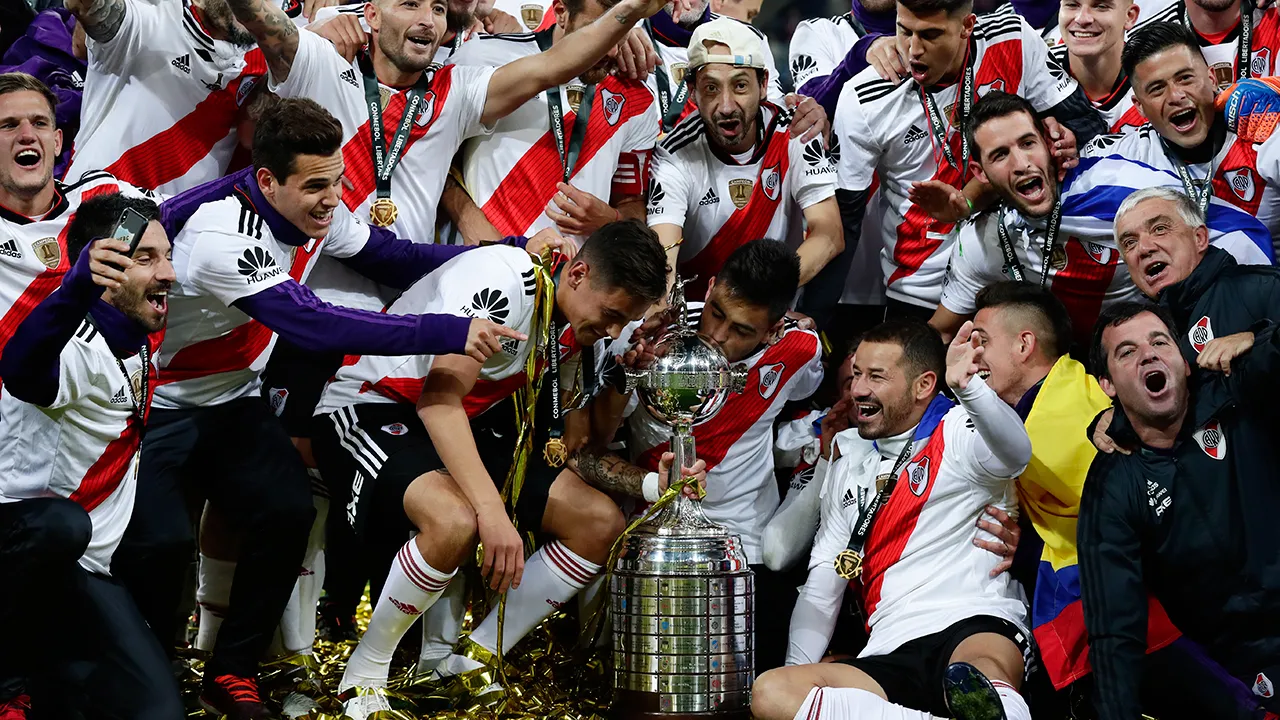
Copa Libertadores finals are not just sporting events; they are cultural explosions that represent the very soul of South American football. To understand the weight of this competition, one must first appreciate the history of a continent where football is a religion and the trophy is the ultimate holy grail. For decades, players and fans alike have dreamed of the moment their team reaches the final stage of “La Gloria Eterna,” a slogan that translates to Eternal Glory. This is a stage where legends are born, where hearts are broken in the final seconds, and where the atmosphere in the stands often rivals the intensity of the action on the pitch.
The journey to the final is a grueling odyssey that tests the physical and mental limits of every squad involved. Teams must navigate the thin air of the Andes mountains, the sweltering heat of the tropical coastlines, and some of the most hostile away environments in world sport. By the time two teams reach the final, they have been through a literal and metaphorical fire. This sense of survival and triumph against all odds is what makes the final match so special to the millions of viewers who tune in from every corner of the globe.
In the early years of the competition, which began in 1960, the finals were held over two legs, with each team playing at their home stadium. This format often led to incredible drama, as teams had to defend their territory while trying to snatch a crucial away goal. The legendary Peñarol side of the early sixties and the iconic Santos team led by Pelé established the early prestige of the tournament. These teams didn’t just win; they showcased a style of football that combined raw physical power with the “jinga” and flair that South America is famous for.
The Evolution of the Copa Libertadores finals Format
The transition to a single-match final in 2019 marked a significant turning point in the history of the competition. For years, the CONMEBOL authorities debated whether to adopt the European model used by the Champions League. The decision was met with a mixture of excitement and skepticism. Supporters of the new format argued that a neutral-site final would turn the event into a massive continental festival, attracting global sponsors and creating a “Super Bowl” style atmosphere.
Critics, however, worried that the vast distances in South America and the economic challenges faced by many fans would make it difficult for stadiums to be filled with genuine supporters. Despite these concerns, the first single-match final held in Lima, Peru, proved to be a roaring success. It featured Flamengo and River Plate in a match that would go down as one of the most dramatic in history. This shift in format has changed how teams prepare for the Copa Libertadores finals, as they no longer have the safety net of a second leg to rectify mistakes.
Managing the logistics of a neutral final in a continent as large as South America is no small feat. Fans often travel for days by bus or plane to reach cities like Montevideo, Guayaquil, or Rio de Janeiro. This pilgrimage is a testament to the loyalty of the South American “hinchada.” When you walk through the host city in the days leading up to the match, the streets are a sea of colors, songs, and flags. It is a shared experience that unites people from different nations, even as they remain fierce rivals on the field.
Why the Copa Libertadores finals Are the World’s Most Intense Games
There is a specific kind of pressure that exists only within the context of a South American final. While the Champions League is often described as the pinnacle of tactical perfection and financial power, the Libertadores is defined by its raw emotion and unpredictability. It is common to see players in tears before the national anthems have even finished. The stakes are personal, representing not just a club, but a neighborhood, a city, and a national identity. This intensity often translates into a physical style of play where every tackle is contested as if it were the last.
One cannot discuss the intensity of these matches without mentioning the 2018 edition, which remains perhaps the most famous of all Copa Libertadores finals. The “Superclásico” between Boca Juniors and River Plate was a matchup so explosive that the second leg eventually had to be moved to Madrid, Spain, due to security concerns in Buenos Aires. It was a moment that shocked the world and highlighted the extreme passion that fuels this rivalry. Seeing two of the world’s most historic rivals face off for the continental crown was a once-in-a-lifetime event that tested the nerves of every football fan in Argentina.
The tactical side of these games has also evolved significantly over the last decade. We have seen a shift from the traditional “dark arts” of defensive football to a more modern, high-pressing style. The influence of European-trained coaches and the return of veteran stars from the top leagues in Italy, Spain, and England has raised the technical level of the play. However, the grit remains. You can have the best tactical plan in the world, but if you cannot handle the “catimba”—the psychological gamesmanship—of a Libertadores final, you will likely struggle to lift the trophy.
Iconic Teams and the Dominance of Brazil and Argentina
History shows that the competition has been largely dominated by clubs from Argentina and Brazil. Argentina’s Independiente holds the record for the most titles, earning them the nickname “Rey de Copas” or King of Cups. Their dominance in the 1970s, where they won four consecutive titles, established a benchmark for consistency that has never been matched. These teams were built on a foundation of tactical discipline and a “win at all costs” mentality that defined an entire era of South American football.
Boca Juniors, particularly under the management of Carlos Bianchi in the early 2000s, became a global powerhouse. They became experts at navigating the pressure of the Copa Libertadores finals, often winning through sheer mental strength and clinical finishing. Players like Juan Román Riquelme became synonymous with the tournament, using their vision and creativity to unlock even the most stubborn defenses. For many fans, the sight of Riquelme orchestrating the play at the Bombonera remains the definitive image of South American excellence.
In recent years, the pendulum has swung heavily in favor of Brazilian clubs. Supported by a stronger domestic economy and massive investment in infrastructure, teams like Flamengo, Palmeiras, and Atlético Mineiro have created a new era of dominance. The last few years have seen multiple all-Brazilian finals, reflecting the growing gap between the Brazilian league and the rest of the continent. These teams combine the traditional flair of Brazilian football with a level of professional organization that makes them incredibly difficult to beat in a one-off final.
The Storytelling Magic of Late-Game Heroics
Every great final needs a hero, and the Libertadores has produced some of the most unlikely and spectacular ones. Think back to the 2019 final in Lima. River Plate looked to have the game won, leading 1-0 as the clock ticked toward the 89th minute. Then, in a span of just three minutes, Gabriel Barbosa—known to the world as Gabigol—scored twice to turn the game on its head. The images of Flamengo fans in the stands moving from despair to pure ecstasy in seconds is a perfect distillation of why we love this game.
These moments of magic are what build the legend of the Copa Libertadores finals. It isn’t just about who is the better team on paper; it is about who can keep their head when the pressure is at its highest. We have seen substitute goalkeepers coming on to win penalty shootouts and young academy graduates scoring winning goals with their first touch of the game. These stories are passed down through generations of fans, becoming part of the folklore of each club.
The trophy itself is a masterpiece of history, featuring small plaques for every winning team since 1960. When a captain lifts it toward the sky, they are joining a lineage of greats that includes Pelé, Zico, Maradona, and Ronaldinho. For the players, the trophy represents years of sacrifice, from long bus rides in the youth leagues to the intense scrutiny of the professional ranks. It is a physical manifestation of their life’s work and a ticket to the FIFA Club World Cup, where they get the chance to test themselves against the best in the world.
The Role of the Fans and the “Recibimiento”
The atmosphere in a stadium during the final is something that must be experienced to be truly understood. The “recibimiento,” or the welcome that the fans give their team as they enter the pitch, is a spectacle of its own. Thousands of rolls of ticker tape, hundreds of flares, and a wall of sound that can be heard for miles around create an environment that is both beautiful and intimidating. It is the fans’ way of showing their players that they are not alone in this battle.
In South America, the relationship between the fans and the team is deeply symbiotic. The players are often seen as representatives of the working class, and their success on the pitch is a source of immense pride for the community. During the Copa Libertadores finals, this connection reaches its peak. The songs sung in the stands are not just chants; they are anthems of loyalty that describe the history of the club and the sacrifices made by the supporters.
The use of pyrotechnics and fireworks, while often controversial and subject to fines, remains a staple of the final atmosphere. It adds a layer of drama and color that defines the South American aesthetic. When a goal is scored, the stadium doesn’t just erupt; it vibrates. The collective joy of fifty thousand people jumping in unison is a powerful force that can often lift a struggling team and carry them to victory. It is this human energy that sets the Libertadores apart from any other competition in the world.
The Financial Stakes and Global Scouting
While the passion is the heart of the competition, the financial stakes of reaching the final are higher than ever. Winning the tournament brings in millions of dollars in prize money, but the secondary benefits are even more significant. The final is a global showcase for talent, with scouts from every major European club in attendance. A standout performance in a Libertadores final can lead to a multi-million-euro transfer to the Premier League or La Liga within weeks.
This “shop window” effect is a double-edged sword for South American clubs. While the transfer fees help keep the clubs afloat, it often means they lose their best players almost immediately after achieving glory. This constant cycle of rebuilding is one of the biggest challenges for managers in the region. To win a final, a manager must often integrate several new signings into a coherent unit in a very short amount of time, making the achievement of reaching the Copa Libertadores finals even more impressive.
The commercial growth of the tournament has also seen an increase in broadcast quality and international availability. You can now watch the finals in high definition with expert commentary in multiple languages. This global reach has helped introduce the unique charm of South American football to a new generation of fans in Asia, North America, and Africa. As more people discover the drama of the Libertadores, the prestige of the competition continues to grow on the international stage.
Management and Tactical Mastery in the Final
The role of the manager in a one-off final cannot be overstated. Unlike a long league season where you can recover from a tactical error, the final requires perfection from the first minute. We have seen legendary managers like Marcelo Gallardo at River Plate or Abel Ferreira at Palmeiras demonstrate an incredible ability to read the game and make decisive changes. Whether it is a shift in formation or a timely substitution, the manager’s influence is often the difference between winning and losing.
Managing the emotions of the players is perhaps the most difficult part of the job. In the lead-up to the match, the pressure from the media and the fans can be overwhelming. A great manager acts as a shield, keeping the squad focused on the tactical plan while allowing them to embrace the passion of the moment. Finding that balance is an art form. The successful coaches of the Copa Libertadores finals are those who can stay calm in the middle of a storm, providing a sense of stability when everything else is chaotic.
Tactically, the finals often reflect the broader trends in world football. We are seeing more emphasis on data and video analysis, with teams spending weeks studying the opposition’s set-pieces and defensive transitions. However, there is always room for the “maverick” player—the individual who can produce a moment of genius that no data point could predict. This blend of modern science and traditional flair is what keeps the competition feeling fresh and exciting year after year.
Looking Toward the Future of South American Glory
As we look toward the future, the competition continues to expand and adapt to a changing world. There are discussions about further increasing the prize money and potentially inviting teams from other confederations, such as MLS or Liga MX, to rejoin the tournament. While these changes are often debated, the core essence of the competition remains the same. The desire for “Eternal Glory” is a powerful motivator that will always drive the best clubs in South America to push themselves to the limit.
The neutral-venue model seems likely to stay, with cities across the continent competing for the honor of hosting the final. This provides an opportunity for smaller nations to showcase their stadiums and their hospitality to the world. Regardless of where the match is held, the spirit of the Libertadores will always be found in the fans’ voices and the players’ determination. The Copa Libertadores finals will continue to be the definitive showcase of South American talent and passion for generations to come.
Every year, a new chapter is written in this incredible story. New rivalries are formed, and old ones are renewed. The beauty of the tournament is that you never know who the next champion will be. It could be a traditional giant asserting their dominance or a “dark horse” making a miraculous run to the final. This unpredictability is the heart of the sport. As the sun sets on another season and the teams prepare for the final battle, the entire continent holds its breath, waiting to see who will be crowned the next king of South America.
Read also :-
germany national football team vs italy national football team lineups
portugal national football team vs spain national football team timeline
poland national football team vs netherlands national football team lineups
chile national football team vs brazil national football team lineups
ecuador national football team vs brazil national football team lineups
england national football team vs latvia national football team lineups