
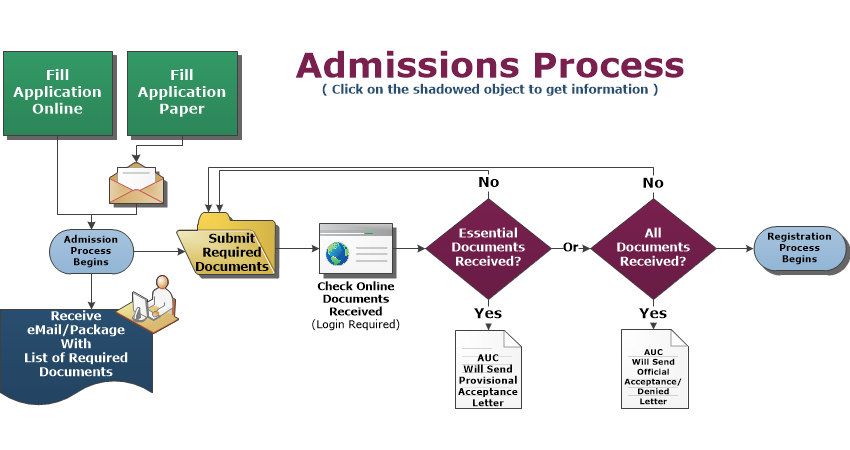
College Admission Process is one of the most crucial phases in a student’s academic journey. It determines not only where they will study but also how their career path unfolds. For many families, this process can feel overwhelming, filled with applications, entrance exams, interviews, and deadlines. Yet, with the right guidance and preparation, it can become a structured and empowering experience.
Understanding the College Admission Process
Every institution has its own set of requirements, but the College Admission Process generally involves filling out applications, submitting academic records, writing essays, and sometimes appearing for entrance exams. In India, competitive exams like JEE, NEET, and CUET play a major role, while in countries like the US, SAT or ACT scores are often considered. Beyond scores, colleges look for well-rounded students who demonstrate leadership, creativity, and resilience.
Imagine a student named Riya, who dreams of studying engineering. She carefully prepares for JEE, builds her application with extracurricular achievements, and writes essays that reflect her passion for technology. Her journey highlights how preparation and clarity can make the process less stressful.
Why Students Struggle with the College Admission Process
The sheer volume of tasks can be daunting. Students often juggle exam preparation, application essays, and interviews simultaneously. Parents worry about deadlines and financial planning. Teachers and counselors play a vital role in guiding students through this maze. The College Admission Process requires not just academic excellence but also emotional resilience.
For example, Arjun, a commerce student, faced rejection from his first-choice college. Instead of giving up, he refined his application, sought feedback, and applied to other institutions. His persistence paid off, and he secured admission to a reputed university. His story shows that setbacks are part of the journey, not the end.
College Admission Process in India
In India, the College Admission Process is highly competitive. Entrance exams like NEET for medical courses and JEE for engineering are gateways to prestigious institutions. State-level exams and merit-based admissions also play a role. Students must balance board exams with entrance preparation, making time management critical.
Private universities often conduct their own admission tests or rely on national scores. Scholarships and financial aid programs further influence decisions, making awareness of opportunities essential. Parents and students who stay informed about deadlines and eligibility criteria find the process smoother.
College Admission Process Abroad
For students aspiring to study abroad, the College Admission Process involves additional steps. Standardized tests like SAT, ACT, GRE, or GMAT are required, along with English proficiency exams such as IELTS or TOEFL. Applications often include essays, recommendation letters, and interviews. Universities abroad emphasize holistic profiles, valuing extracurriculars, community service, and leadership roles.
Take the example of Meera, who applied to universities in the US. She balanced her academics with volunteering, wrote compelling essays about her experiences, and secured strong recommendation letters. Her well-rounded profile helped her gain admission to her dream college, proving that international admissions require more than just grades.
The Human Side of the College Admission Process
While exams and applications are important, the human element cannot be ignored. Counselors, mentors, and family support play a huge role in helping students stay motivated. Emotional well-being is critical, as the stress of the College Admission Process can affect confidence. Institutions are increasingly recognizing this, offering counseling services and workshops to guide applicants.
Consider the story of Dev, who struggled with anxiety during his admission journey. With the support of his school counselor and family, he learned coping strategies and stayed focused. His success reminds us that mental health is as important as academic preparation.
Challenges in the College Admission Process
Despite advancements, challenges remain. Many students lack access to proper guidance, especially in rural areas. Financial constraints limit opportunities for deserving candidates. The complexity of applications, especially for international universities, can be overwhelming. Transparency and accessibility must improve to ensure fairness.
Digital platforms are helping bridge these gaps. Online counseling, webinars, and admission portals provide information and support to students across regions. Technology is making the College Admission Process more inclusive, though challenges like internet access and awareness persist.
Future of the College Admission Process
The future looks promising. With AI-driven platforms, applications will become more personalized, offering tailored suggestions for courses and institutions. Virtual interviews and digital portfolios will gain prominence. Governments and institutions are working to simplify procedures, ensuring that students spend more time preparing academically rather than worrying about paperwork.
Globalization will further influence the College Admission Process, with cross-border collaborations and exchange programs becoming common. Students will have more opportunities to explore diverse educational paths, making the process more exciting and rewarding.
Real-Life Impact of the College Admission Process
Take the journey of Sneha, a student from Jaipur. She aspired to study medicine but faced financial challenges. Through scholarships and guidance from online platforms, she successfully navigated the College Admission Process and secured a seat in a reputed medical college. Her story reflects the transformative power of determination and support.