
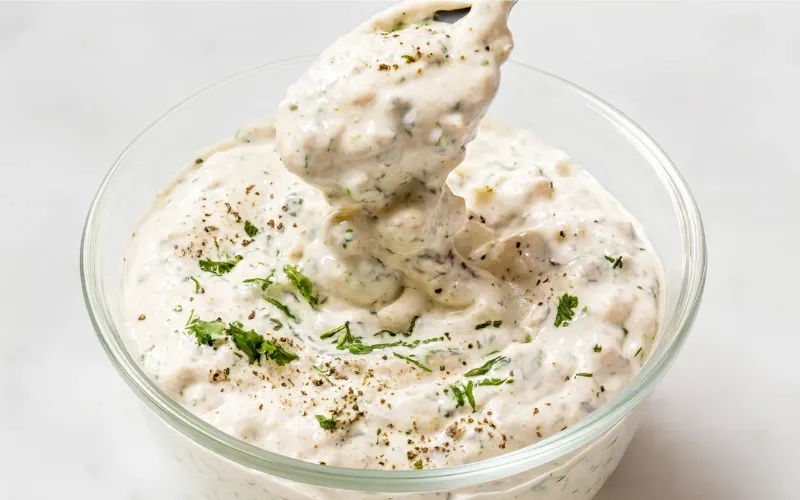
Sauces can change an ordinary meal without requiring complicated cooking methods. At therecipetaste.com, readers can explore practical ideas for preparing and using sauces. A good sauce adds flavor, moisture, texture, and sometimes color. It can also bring several ingredients together on one plate. Some sauces need only a few ingredients, while others require careful preparation. The important thing is understanding how ingredients work together. You do not need expensive equipment or professional cooking experience. A little attention to taste and consistency can make a difference.
Why Sauces Matter In Cooking
A sauce is often treated as a small addition to food. In reality, it can influence the entire eating experience. Plain vegetables may taste more interesting with a suitable dressing. Grilled chicken can become more enjoyable with a balanced coating. Even simple rice dishes can benefit from a flavorful sauce. The right mixture adds moisture without making food unnecessarily heavy. It can also balance ingredients that taste too salty or spicy. Some sauces provide sharpness, while others bring sweetness or richness. Choosing the right option depends on the main dish. A creamy sauce may work well with pasta, but a lighter mixture could suit grilled vegetables better. The goal is not adding sauce everywhere. It is choosing something that supports the food already being prepared.
Start With Basic Ingredients
Most homemade sauces begin with a small group of common ingredients. Tomatoes, onions, garlic, herbs, oil, vinegar, and spices are useful starting points. Yogurt can create a creamy base without requiring heavy cream. Mustard adds sharpness, while lemon juice provides fresh acidity. Soy sauce contributes a salty and savory taste. Honey or sugar can soften strong flavors when used carefully. The quantity matters because even one ingredient can dominate the mixture. Start with smaller amounts and adjust after tasting. This approach gives better control than adding everything together immediately. Fresh ingredients can provide a brighter taste, although dried herbs remain useful. Keep the recipe simple until you understand how each ingredient changes the result.
Tomato Sauce At Home
Tomato sauce is one of the most familiar options in everyday cooking. It works with pasta, sandwiches, pizza, and several vegetable dishes. Fresh tomatoes can produce a lighter sauce with natural acidity. Canned tomatoes are another practical choice when fresh ones are unavailable. Begin by cooking chopped onions and garlic in a little oil. Add tomatoes and allow the mixture to soften slowly. Salt, pepper, and dried herbs can improve the flavor. Stir occasionally so the mixture does not stick to the pan. Cooking longer usually produces a thicker consistency. If the sauce becomes too thick, add small amounts of water. Blending is optional because some people prefer a slightly chunky texture. Taste before serving and adjust the seasoning according to preference.
Creamy Sauces Need Balance
Creamy sauces are popular because they create a smooth texture. They are commonly served with pasta, vegetables, and baked dishes. Milk, cream, yogurt, and cheese can all provide different results. Butter and flour are often used when preparing a traditional white sauce. The flour needs enough cooking time to remove its raw taste. Milk should be added gradually while stirring the mixture. This helps reduce lumps and creates a smoother finish. Cheese can provide extra richness, but too much may make the sauce heavy. A little black pepper or nutmeg can add useful flavor. If the sauce becomes overly thick, adjust it with additional milk. Avoid boiling dairy mixtures aggressively because their texture may change. Gentle heat generally gives better control.
Simple Garlic Sauce Ideas
Garlic sauce works with many foods because its flavor is familiar. It can accompany grilled vegetables, sandwiches, roasted potatoes, and cooked meat. The strength depends on how garlic is prepared. Raw garlic gives a sharper taste than cooked garlic. Roasted garlic becomes softer and slightly sweet after cooking. Yogurt makes a useful base for a lighter garlic sauce. Mix plain yogurt with crushed garlic and a little lemon juice. Add salt gradually and taste before serving. Fresh herbs can provide another layer of flavor. For a richer version, mayonnaise can replace some yogurt. Keep the mixture covered inside the refrigerator until needed. Garlic flavor can become stronger after resting for some time.
Sweet And Spicy Options
Sweet and spicy sauces combine two different flavor directions. They can work well with grilled snacks and fried foods. Honey, chili flakes, vinegar, and soy sauce are common ingredients. The mixture should not become excessively sweet or painfully hot. Start with a small amount of chili and increase gradually. Vinegar can balance sweetness while adding a sharp finish. Garlic and ginger provide additional depth without making preparation difficult. Cook the ingredients briefly when a thicker texture is required. Avoid using high heat for too long because sugary ingredients can burn. These sauces are useful as dips or light coatings. Serve them separately when guests have different spice preferences.
Understanding Sauce Consistency
Consistency affects how a sauce behaves during serving. A thin sauce spreads easily across rice and cooked vegetables. A thick sauce may stay on sandwiches or coat pasta more effectively. Some mixtures naturally become thicker while cooling. Others need additional cooking time to reduce excess liquid. Flour, cornstarch, cream, and blended vegetables can help change thickness. Each thickening method produces a slightly different result. Cornstarch should usually be mixed with cold water before adding. This reduces the chance of forming unwanted lumps. Add thickening ingredients gradually rather than using too much immediately. A sauce that looks perfect inside the pan may become thicker later. Remember to consider its temperature before making final adjustments.
Use Herbs And Spices Carefully
Herbs and spices can make simple sauces more interesting. Basil, oregano, parsley, coriander, and thyme are common choices. Each herb brings its own aroma and flavor. Dried herbs are convenient because they remain available for longer periods. Fresh herbs often provide a brighter taste near the end. Chili powder, paprika, cumin, and black pepper add different levels of warmth. Do not add every spice simply because it is available. Choose ingredients that match the main food. Tomato sauces often work with oregano and basil. Yogurt based sauces can suit coriander and roasted cumin. Taste after adding each important ingredient. Small changes are easier to manage than correcting an over-seasoned mixture.
Preparing Sauce Without Complications
A useful sauce does not always require a long ingredient list. Many everyday recipes can be prepared in one bowl. Mix yogurt, lemon juice, salt, and herbs for a quick dressing. Combine mustard, honey, and vinegar for another simple option. Tomato puree with garlic and spices can become a basic cooking sauce. These mixtures are useful when time is limited. Measuring ingredients helps maintain a familiar result. However, exact measurements may change according to ingredient quality. Tomatoes can vary in sweetness, while lemons differ in acidity. Taste the mixture before deciding whether more seasoning is necessary. Clean utensils and fresh ingredients also improve preparation. Simple cooking habits make homemade sauces easier to repeat.
Sauces For Pasta Dishes
Pasta can be served with many different sauce styles. Tomato based options provide a familiar combination for daily meals. Creamy sauces create a richer coating around the pasta. Garlic and olive oil offer another simple preparation. The shape of pasta can influence which sauce works best. Thick mixtures often stay inside ridged or shaped pasta. Thin sauces can coat longer pasta strands more evenly. Reserve a little cooking water before draining the pasta. Its starch can help bring the sauce and pasta together. Add the cooked pasta directly to the sauce when possible. Stir gently so every portion receives an even coating. Serve shortly after preparation for a better texture.
Choosing Sauces For Vegetables
Vegetables can taste different when served with suitable sauces. Roasted carrots may work with honey and mustard. Steamed broccoli can pair with lemon and garlic dressing. Grilled peppers often suit tomato based or herb mixtures. Yogurt sauces provide a cooler contrast to roasted vegetables. The preparation method should influence the sauce choice. Roasted vegetables already have concentrated flavors from cooking. They may need only a light dressing. Steamed vegetables sometimes benefit from stronger seasoning. Avoid covering every vegetable with excessive sauce. Too much liquid can hide the natural texture. A small serving alongside the food allows people to adjust flavor themselves.
Keep Food Storage Safe
Homemade sauces need proper storage after preparation. Ingredients such as dairy, fresh herbs, and garlic require care. Place perishable sauces inside a clean covered container. Refrigerate them promptly rather than leaving them outside. Use clean spoons whenever serving from stored containers. This reduces the chance of introducing unwanted contamination. Storage time depends on ingredients and preparation methods. Fresh dairy sauces generally need more careful handling. Tomato based mixtures may also spoil if stored incorrectly. Check smell, appearance, and texture before using leftovers. Discard sauce when there are clear signs of spoilage. Do not assume that reheating can make spoiled food safe. Following sensible food handling practices is always important.
Avoid Common Sauce Mistakes
Some cooking problems happen because ingredients are added too quickly. Excessive salt can make a sauce difficult to balance. Too much vinegar may create an unpleasantly sharp taste. High heat can cause dairy sauces to separate. Flour added directly into hot liquid may create lumps. These problems can often be avoided through careful preparation. Measure strong ingredients before adding them. Keep stirring when preparing mixtures that need smooth consistency. Use moderate heat for sauces containing milk or cream. If a sauce becomes too salty, adding more unsalted base may help. If it tastes too sharp, adjust carefully with suitable ingredients. Small corrections usually work better than major changes.
Make Recipes Your Own
Sauce recipes can be adjusted according to personal taste. Some people prefer stronger garlic, while others enjoy milder flavors. A little extra lemon can make a heavy mixture feel fresher. Fresh herbs can change the aroma without requiring a complete recipe change. You can also adjust thickness for different meals. Write down successful changes so the same result becomes easier later. Avoid changing every ingredient during the first attempt. Make one adjustment at a time and taste the result. This helps identify which change improved the mixture. Cooking becomes easier when you understand the purpose of ingredients. Personal variations can work well while keeping the basic recipe balanced.
Conclusion
Sauces are useful additions that can improve everyday meals in many ways. They bring together flavor, moisture, texture, and different ingredients. Homemade options also allow better control over seasoning and consistency. Start with simple recipes before trying more complicated combinations. Pay attention to heat, ingredient balance, and safe storage. Fresh herbs, spices, and suitable bases can create many variations. The best sauce is one that complements the food without overpowering it. Explore different combinations and develop recipes that suit your cooking habits. Visit therecipetaste.com for more practical food ideas and useful cooking inspiration. Bring more flavor to your meals with simple sauce recipes.
Read also :-