
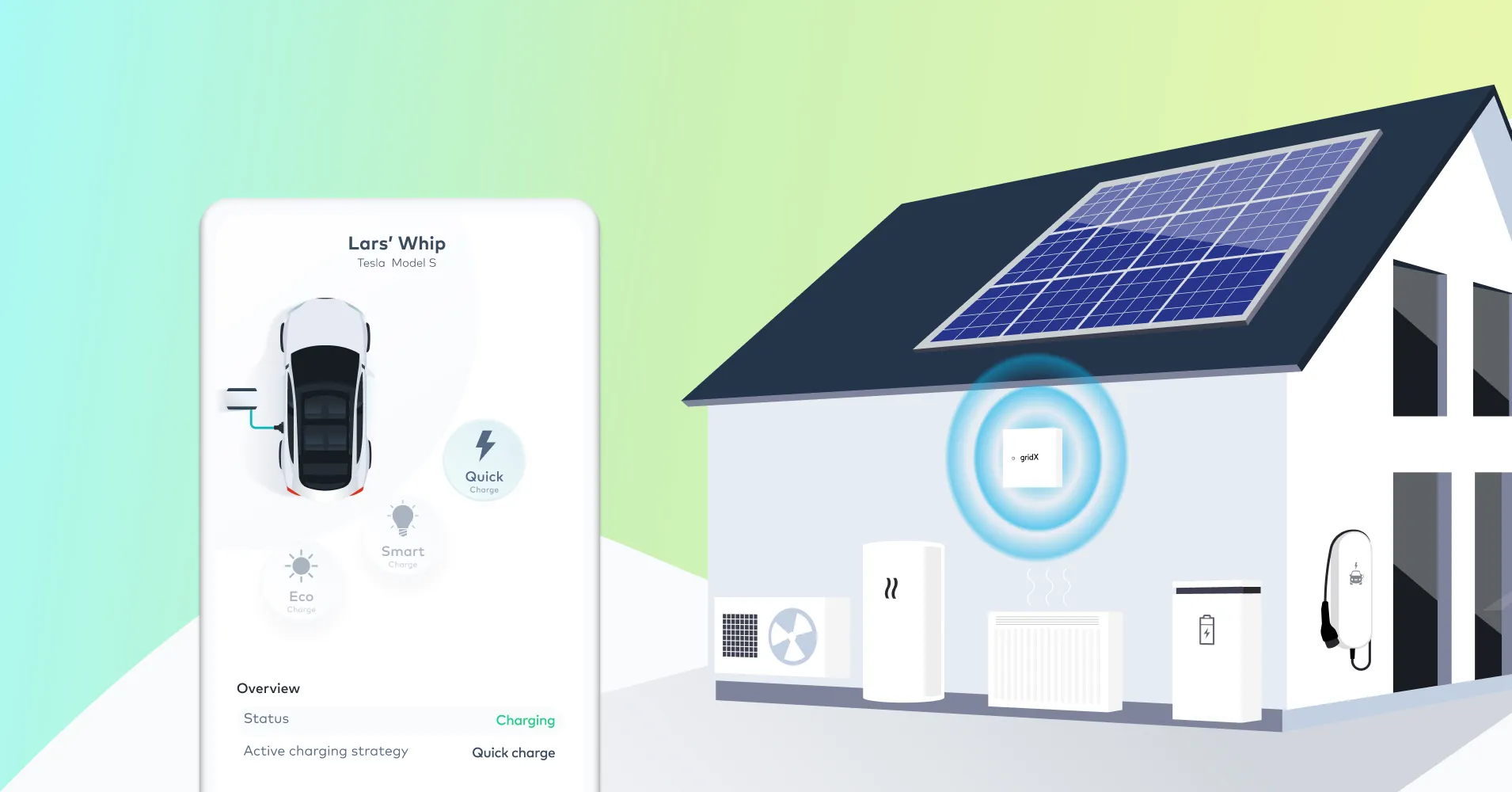
Smart home energy management systems are revolutionizing the way households consume and conserve energy. In a world where electricity bills are rising and sustainability is becoming a priority, these systems provide a practical solution. Imagine a home that automatically adjusts lighting, heating, and cooling based on your habits, while also tracking energy usage in real time. That’s the promise of smart energy management—comfort, savings, and eco-conscious living all rolled into one.
Why Smart Home Energy Management Systems Matter
Energy consumption is one of the biggest expenses for modern households. Traditional methods of monitoring usage often fail to provide actionable insights. Smart home energy management systems solve this by offering detailed analytics, automation, and control. For example, a family in Jaipur can use a system to monitor which appliances consume the most electricity and adjust usage accordingly. This not only reduces bills but also contributes to a greener planet.
The Rise of Intelligent Energy Solutions
Technology has made it possible to integrate sensors, AI, and IoT devices into everyday living. Smart home energy management systems leverage these innovations to optimize energy usage. They connect appliances, thermostats, and lighting systems, creating a network that responds intelligently to user behavior. Whether it’s dimming lights when natural sunlight is sufficient or turning off devices when not in use, these systems ensure efficiency without compromising comfort.
Key Features of Smart Home Energy Management Systems
Real-Time Monitoring
One of the most valuable aspects of smart home energy management systems is real-time monitoring. Homeowners can track energy consumption through apps, dashboards, or voice assistants, gaining instant insights into usage patterns.
Automation and Control
Automation is at the heart of these systems. Devices can be programmed to operate only when needed. For instance, air conditioners can adjust temperatures based on occupancy, reducing unnecessary energy waste.
Integration with Renewable Energy
Many systems integrate with solar panels or wind energy solutions. This allows households to maximize renewable energy usage, store excess power, and reduce reliance on traditional grids.
Predictive Analytics
Advanced systems use AI to predict future energy needs. By analyzing past behavior, they suggest optimal schedules for appliances, ensuring maximum efficiency.
Real-Life Examples of Smart Energy Use
Consider Ramesh, a homeowner in Delhi. He installed a smart home energy management system that connected his appliances and solar panels. Within months, his electricity bills dropped by 30%, and he could monitor usage directly from his phone. Similarly, in California, families use smart thermostats that learn their routines, adjusting heating and cooling automatically. These examples highlight how technology makes energy management effortless and effective.
Benefits Beyond Cost Savings
While reducing bills is the obvious advantage, smart home energy management systems offer more. They promote sustainability by lowering carbon footprints. They also enhance convenience, as homeowners no longer need to manually adjust appliances. Additionally, they provide peace of mind by ensuring devices are not left running unnecessarily, reducing fire hazards and equipment wear.
How to Choose the Right Smart Home Energy Management System
When selecting a system, consider compatibility with existing appliances, ease of use, and scalability. Some systems focus on basic monitoring, while others offer advanced AI-driven insights. Security is also crucial—ensure the system uses encryption to protect data. By aligning with smart home energy management systems, households can future-proof their energy strategies.
The Future of Smart Home Energy Management Systems
The future looks promising as technology evolves. AI-driven platforms will become more personalized, offering tailored recommendations for each household. Blockchain may enhance transparency in energy trading, while smart grids will allow homes to share excess energy with communities. As innovation grows, smart home energy management systems will continue to redefine how we consume and conserve energy.
Storytelling Angle: A Day in the Life of a Smart Home
Picture waking up to a home that has already adjusted the thermostat to your preferred temperature. As sunlight fills the room, the lights dim automatically. Your coffee machine starts brewing, powered by stored solar energy. Later, while you’re at work, the system ensures appliances are off, saving energy. In the evening, you check your app and see detailed insights into your daily consumption. This is the lifestyle powered by smart home energy management systems—efficient, sustainable, and effortless.
Read also :-