
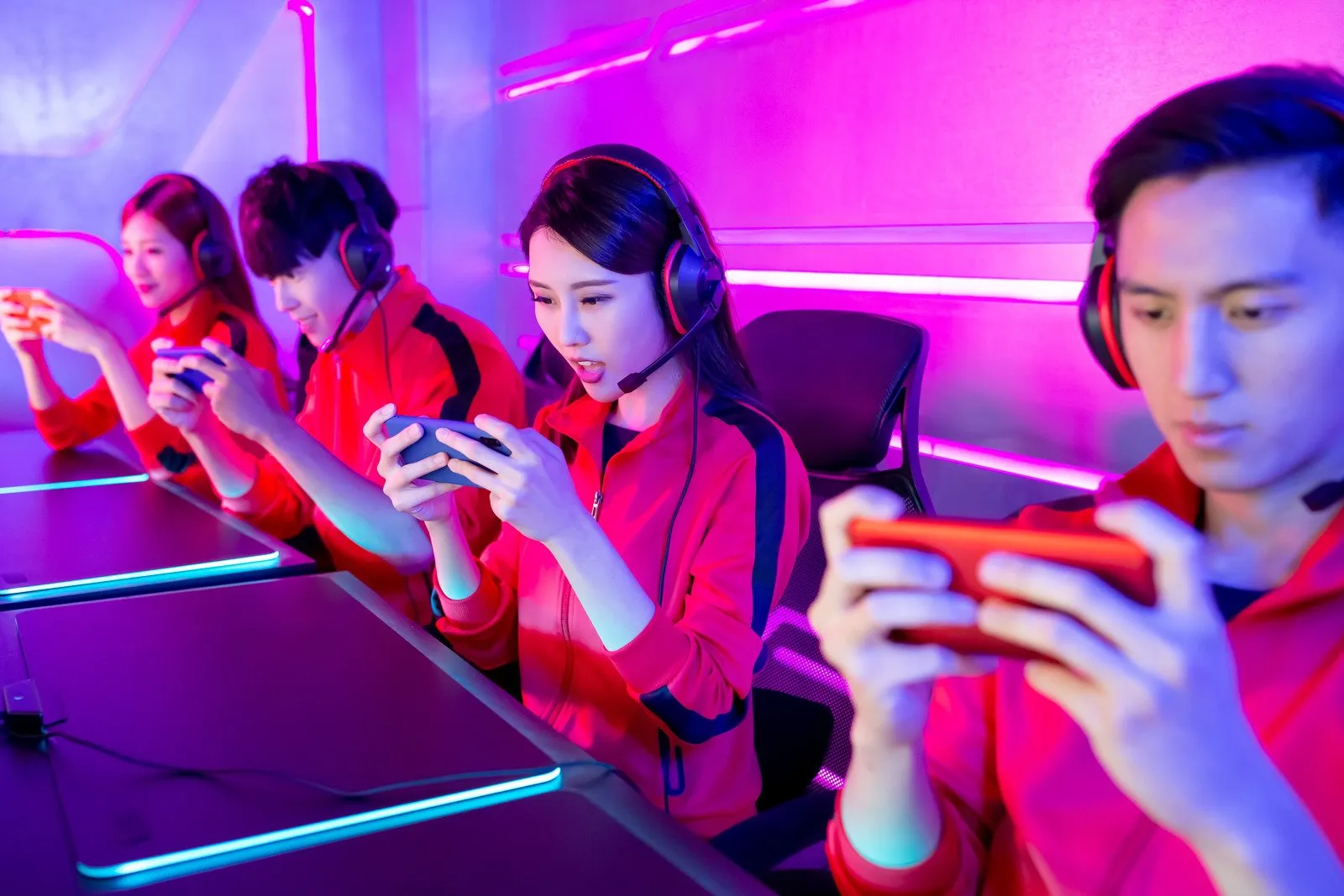
Mobile Esports Leagues have shattered the traditional barriers of entry into professional gaming, proving that you don’t need a three-thousand-dollar PC setup to become a world-renowned athlete. Not long ago, the idea of professional gaming was tethered to heavy monitors, tangled cables, and dimly lit arenas filled with bulky desktop towers. Today, the landscape is unrecognizable as the most prestigious tournaments on the planet are being played on devices that fit comfortably in the palm of your hand.
This shift toward mobile-first competition is not just a trend but a fundamental reorganization of how we consume digital entertainment and define athletic skill. I remember sitting in a crowded café in Jakarta a few years ago, surrounded by teenagers who were absolutely glued to their screens. They weren’t just “playing” a game; they were executing complex tactical rotations in Mobile Legends: Bang Bang with a level of coordination that rivaled elite Navy SEAL teams.
That experience opened my eyes to the sheer scale of this movement, which has since grown into a multi-billion dollar industry with a global footprint that puts many traditional sports to shame. The accessibility of a smartphone means that the next great superstar doesn’t have to live in a tech hub like Seoul or San Francisco. They could be in a rural village in Brazil or a bustling suburb in India, honing their “twitch” reflexes while riding the bus or during a lunch break.
This democratization of talent is the primary engine driving the explosive growth of Mobile Esports Leagues across the globe. When everyone has the equipment in their pocket, the talent pool becomes virtually infinite, leading to a level of competition that is both ruthless and incredibly exciting to watch. We are witnessing a new era where the hardware is secondary to the raw, unadulterated skill of the individual.
The Cultural Phenomenon of Mobile Esports Leagues
The rise of these leagues has created a cultural shift that is particularly evident in emerging markets where the smartphone is the primary gateway to the internet. In regions like Southeast Asia, Latin America, and South Asia, mobile gaming is not a “lite” version of PC gaming; it is the definitive gaming experience. This has led to the creation of massive regional ecosystems where teams have dedicated fanbases, professional coaching staffs, and lucrative sponsorship deals.
If you look at the viewership numbers for the Mobile Legends: Bang Bang Professional League (MPL) in Indonesia, they often surpass the numbers seen in major Western PC leagues like the LCS. The passion of the fans is palpable, with stadiums selling out in minutes and online streams attracting millions of concurrent viewers. This isn’t just about the game itself; it’s about a sense of national pride and community identity that has formed around these digital arenas.
The storytelling within these leagues is just as rich as any traditional sport, with underdogs rising to fame and legendary rivalries that span multiple seasons. Players like “Faker” in the PC world now have their counterparts in the mobile scene, individuals who are recognized in the street and serve as the faces of global brands. This level of celebrity has brought a new level of professionalism to the scene, as organizations invest heavily in gaming houses and mental health support.
The integration of these leagues into the daily lives of millions has also changed how brands approach marketing. We see major automotive companies, fashion houses, and beverage brands shifting their budgets toward mobile gaming sponsorships. They recognize that the attention of the Gen Z and Millennial demographic is no longer on the television screen but on the mobile display, making these leagues the most effective way to reach a modern audience.
The Technological Infrastructure Behind the Scenes
The evolution of mobile hardware has been a critical factor in the success of these competitive environments. Modern smartphones are now equipped with high-refresh-rate displays, sophisticated cooling systems, and processors that rival the power of last-generation laptops. This allows for a smooth, lag-free experience that is essential for high-stakes competition where a single millisecond can be the difference between victory and defeat.
Furthermore, the rollout of 5G technology has provided the low-latency connectivity required for real-time multiplayer gaming on the go. This technological leap has moved Mobile Esports Leagues from local LAN environments to a truly global stage where players can compete from almost anywhere. The stability of the network is the invisible backbone that ensures the integrity of the competition remains intact regardless of geographical distance.
Game developers have also played a vital role by optimizing their titles specifically for touch controls and smaller screens. Titles like PUBG Mobile, Free Fire, and Honor of Kings are built from the ground up to be intuitive yet offer enough depth to allow for professional-level mastery. The UI/UX design of these games is a masterclass in efficiency, packing complex information into a limited space without overwhelming the player or the spectator.
The production quality of the broadcasts has also seen a massive upgrade, with specialized observers and casters who understand the nuances of mobile gameplay. Using advanced AR and VR technologies, broadcasters can bring the digital world to life, showing tactical heatmaps and player stats in real-time. This level of sophistication makes the viewing experience as engaging as a high-budget Hollywood production, keeping fans on the edge of their seats for hours on end.
Why Mobile Esports Leagues Dominate Emerging Markets
The economic reality of many regions means that a high-end gaming PC or a console is a luxury that few can afford. However, a smartphone is often seen as a necessity for modern life, acting as a communication tool, a bank, and a workstation all in one. By placing competitive gaming on this universal platform, developers have unlocked a market of billions that was previously ignored by the traditional gaming industry.
In countries like India, the ban and subsequent return of PUBG Mobile (now BGMI) showed just how deeply ingrained mobile gaming has become in the youth culture. When the game was unavailable, there was a massive vacuum in the entertainment sector, which was immediately filled the moment the servers went live again. This resilience proves that mobile gaming is not a passing fad but a permanent fixture of the modern cultural landscape.
The low barrier to entry also means that the “path to pro” is much clearer and more accessible. Many professional players started as casual fans who participated in open qualifiers through their phones. This grassroots level of engagement builds a strong foundation for the professional leagues, as there is a constant influx of fresh talent hungry for a chance to prove themselves on the big stage.
Furthermore, the social aspect of mobile gaming is a huge driver of its popularity. It is common to see groups of friends gathered in parks or malls, playing together in a shared physical space while competing in a digital one. this “phygital” experience blends the best of both worlds, fostering real-world social connections through a digital medium. This community-centric approach is what keeps the ecosystem vibrant and growing year after year.
The Professional Lifestyle and Training Regimens
The life of a professional mobile gamer is far more demanding than most people realize. These athletes spend upward of twelve hours a day practicing, analyzing replays, and discussing strategy with their teammates. It is a grueling schedule that requires immense mental fortitude and physical endurance. To stay at the top of their game, many teams now employ full-time nutritionists, physical therapists, and sports psychologists.
Training houses have become a staple of the professional scene, providing a controlled environment where players can live and breathe the game. These facilities are often equipped with high-speed internet, ergonomic furniture, and dedicated spaces for review sessions. The goal is to minimize distractions and maximize efficiency, ensuring that every minute of practice contributes to the team’s overall performance in the league.
The physical toll of mobile gaming is also being taken more seriously, as repetitive strain injuries can end a career prematurely. Players are taught specific stretching routines and the importance of taking breaks to protect their eyes and wrists. This focus on longevity is a sign of a maturing industry that values the well-being of its stars, moving away from the “burnout” culture that plagued the early days of esports.
Mental preparation is equally important, as the pressure of performing in front of millions of people can be overwhelming. Players work on focus techniques, stress management, and team communication to ensure they remain calm in high-pressure situations. The psychological depth of the game is often where the best teams separate themselves from the rest, proving that mobile gaming is as much a mental battle as it is a physical one.
The Spectator Experience and Global Engagement
One of the most fascinating aspects of mobile esports is how it is consumed by the audience. Unlike PC esports, which is primarily watched on desktop monitors, mobile esports is often watched on—you guessed it—mobile devices. This creates a unique “vertical” viewing experience on platforms like TikTok and YouTube Shorts, where fans can watch highlights and clips in a format that feels natural to them.
The interaction between the players and the fans is also much more direct in the mobile scene. Many professional players are also active streamers who engage with their audience daily, building a personal connection that is hard to replicate in traditional sports. This transparency builds a sense of loyalty and investment among the fans, who feel like they are part of the player’s journey from the bedroom to the arena.
Live events have become massive spectacles, featuring light shows, musical performances, and celebrity appearances. The atmosphere is more like a rock concert than a traditional sports match, with a level of energy that is infectious. These events serve as a celebration of the community, bringing together people from all walks of life who share a common passion for the game and the league.
Global championships like the M-Series for Mobile Legends or the PMGC for PUBG Mobile represent the pinnacle of the sport, with prize pools that reach into the millions of dollars. Winning one of these tournaments is a life-changing event for the players, providing them with financial security and a place in the history books. The stakes are incredibly high, and the drama that unfolds on the stage is what keeps fans coming back edition after edition.
Economics and the Business of Mobile Leagues
The financial model of mobile esports is built on a diverse range of revenue streams, including media rights, sponsorships, and in-game microtransactions. Many developers create “league-themed” skins and items, with a portion of the sales going directly to the participating teams. This creates a sustainable ecosystem where the fans can support their favorite organizations directly through the game they love.
Sponsorships have moved beyond just tech companies to include lifestyle brands, banks, and even government bodies. This broad appeal is a testament to the mainstream status of mobile gaming, as companies realize that the most engaged audience in the world is currently playing games on their phones. The return on investment for these sponsorships is often much higher than traditional advertising, as the brand becomes part of the community’s culture.
The franchise model has also been adopted by several major leagues, providing stability and long-term viability for the teams. In a franchised league, organizations buy a permanent spot, allowing them to build a brand over several years without the fear of being relegated. This stability attracts more conservative investors and allows teams to sign long-term contracts with players and sponsors, further professionalizing the scene.
Merchandising is another growing sector, with fans eager to wear the jerseys and apparel of their favorite teams. The “lifestyle” aspect of esports is becoming more prominent, with teams collaborating with fashion designers to create stylish, high-quality gear that fans can wear in their daily lives. This diversification of income ensures that the leagues can continue to innovate and grow even in a volatile economic environment.
The Role of Data and Analytics in Strategy
In the upper echelons of mobile competition, the game is won and lost in the data. Teams use sophisticated analytical tools to track every movement, every kill, and every resource gathered on the map. This information is used to find patterns in an opponent’s playstyle and to develop “counter-strats” that can neutralize their strengths. The analytical depth of the game is truly staggering, involving dedicated analysts who spend hours crunching numbers.
During a match, coaches have access to real-time data that they use to make tactical adjustments between rounds or games. They look at things like “objective control” and “gold efficiency” to see where the team is succeeding and where they are falling behind. This data-driven approach has raised the standard of play significantly, as teams can no longer rely on raw skill alone to win matches.
Scouting has also become more scientific, with organizations looking at a player’s stats across thousands of matches before offering a contract. They look for consistency, versatility, and the ability to perform under pressure, using data to filter out the “one-hit wonders” from the true professionals. This level of scrutiny ensures that only the best of the best make it into the professional leagues, maintaining the high standard of competition.
The fans are also becoming more data-savvy, with broadcasts providing deeper insights into the “why” behind certain plays. Analysts on the casting desk use digital whiteboards to break down a team’s rotation or a perfectly executed ambush, educating the audience on the tactical complexity of the game. This intellectual engagement adds a new layer of appreciation for the sport, as fans begin to see the game through the eyes of the professionals.
Future Trends and the Evolution of Play
As we look toward the next decade, the integration of Augmented Reality (AR) and Artificial Intelligence (AI) is set to redefine the mobile gaming experience. Imagine an AR overlay that allows you to see the battlefield on your coffee table while you watch a live league match. Or AI-driven training modules that can simulate an opponent’s playstyle, allowing players to practice against a digital version of their rivals.
The expansion of mobile gaming into the “metaverse” is another exciting prospect, where the game becomes just one part of a larger digital world. Fans could attend virtual meet-and-greets, explore digital team headquarters, and participate in interactive fan zones, all within a single seamless environment. This level of immersion will further blur the lines between the digital and physical worlds, creating a new form of entertainment that we are only just beginning to imagine.
Cross-platform play may also become more common, allowing mobile players to compete against console or PC players in certain titles. While the input methods are different, the tactical depth of the games is often similar, and the challenge of balancing these different platforms is something that developers are actively working on. This could lead to a truly “unified” esports ecosystem where the device you play on is irrelevant.
The inclusion of mobile gaming in multi-sport events like the Asian Games and potentially the Olympics is a massive step toward mainstream legitimacy. While there is still some debate among traditionalists, the sheer numbers and the professionalism of the mobile scene make it impossible to ignore. Being part of these global events will provide mobile gamers with the same level of recognition and respect as any other athlete, fulfilling a long-held dream for the community.
The sustainability of the industry is also being addressed, with leagues looking for ways to reduce their carbon footprint and promote ethical practices. This includes moving toward “green” gaming houses and ensuring that the materials used in smartphones are sourced responsibly. As the industry grows in influence, it has a responsibility to lead by example and contribute to a better world both on and off the screen.
The story of mobile gaming is a story of human ambition and the power of technology to connect us. It is a celebration of the fact that talent can come from anywhere and that the tools for greatness are already in our pockets. As the leagues continue to expand and the competition gets even more intense, one thing is certain: the future of sports is mobile, and we are all invited to be a part of it.
Whether you are a casual player who enjoys a few rounds before bed or a dedicated fan who never misses a match, the world of mobile esports has something for everyone. It is a vibrant, chaotic, and incredibly exciting frontier that is reshaping our culture one tap at a time. The journey is just beginning, and the possibilities are as infinite as the digital worlds we explore.
The next time you see someone intensely focused on their phone, don’t just assume they are scrolling through social media. They might be watching a championship-winning play or practicing a maneuver that will one day make them a legend in the world of mobile gaming. The game is on, the stakes are high, and the world is watching.
As we continue to navigate this digital revolution, we should embrace the creativity and the passion that these leagues represent. They are a testament to our desire for connection, competition, and excellence in an increasingly connected world. The mobile arena is waiting, and the next great star could be you.
The global gaming scene has never been more vibrant or more accessible. From the smallest villages to the largest cities, the love for the game transcends all boundaries. The rise of mobile leagues is a celebration of this universal language, and it is a story that is still being written. Let’s keep playing, keep watching, and keep pushing the limits of what is possible on the screen.
Read also :-
m5.7.9.zihollkoc
how to find 540iy-xhz35e0j model
9513245248
puog5.4.15.0 model price