
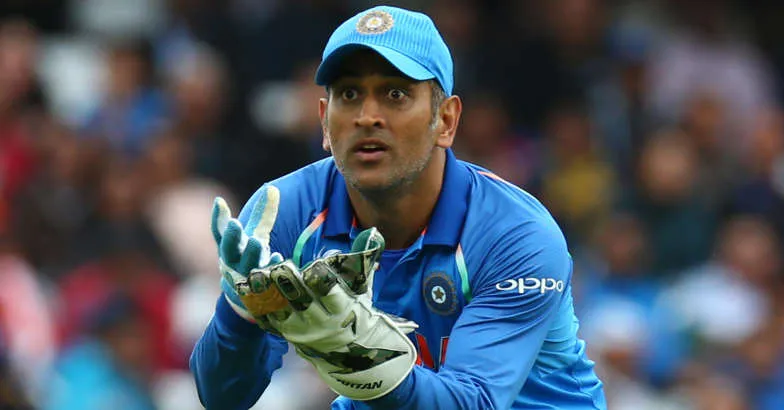
Emerging Wicketkeepers represent a revolutionary shift in the landscape of modern cricket, moving away from being mere specialists behind the stumps to becoming some of the most explosive and versatile athletes on the planet. I remember sitting in a local cricket academy a few years ago, watching a young boy who couldn’t have been more than fourteen years old. He wasn’t just practicing his glovework; he was alternating between sharp takes and practicing a reverse-sweep against a bowling machine. This dual-threat capability is the new gold standard for anyone looking to make a mark in the professional circuit. The days of a keeper being allowed to hide at number eight in the batting order are long gone, replaced by a demand for players who can influence the game in all three dimensions: keeping, batting, and tactical leadership.
The evolution of this role can be traced back to the legends like Adam Gilchrist and later MS Dhoni, who proved that a wicketkeeper could be a primary match-winner. However, the current crop of talent is taking this legacy to an entirely different level by integrating T20-style innovation into every format of the game. When we talk about the rise of these young stars, we are witnessing a blend of traditional grit and modern audacity. It is a fascinating time for the sport as scouting networks across the globe are working overtime to find the next individual who can stand behind the stumps for a hundred overs and then walk out to blast a match-winning century under pressure.
To understand the pressure these players face, one must appreciate the sheer physical and mental toll of the position. A wicketkeeper is the only player on the field who is involved in every single delivery. They are the tactical hub of the fielding side, often acting as the eyes and ears for the captain. For an emerging talent, the challenge is not just about having soft hands and quick reflexes; it is about developing the mental stamina to remain focused for hours in the heat, knowing that a single lapse in concentration could cost their team a championship. This high-stakes environment is where true stars are forged, and the current global talent pool is deeper than it has ever been.
Technical Brilliance of Emerging Wicketkeepers
When analyzing the mechanics of a top-tier keeper, footwork remains the foundation of everything they do. For many of the current Emerging Wicketkeepers, the focus has shifted toward a more athletic and proactive stance. Instead of waiting for the ball to come to them, modern keepers are taught to “attack” the line of the ball, utilizing lateral movement that resembles a goalkeeper in football. This allows them to cover more ground and take spectacular diving catches that were once considered impossible. The agility displayed by these young athletes is a testament to the rigorous strength and conditioning programs that have become standard in youth development programs.
Glovework has also seen a subtle but significant evolution. Traditionally, keepers were taught to “give” with the ball, pulling their hands back to absorb the impact. While this is still a core principle, many rising stars are experimenting with a firmer technique, especially when keeping to spinners on turning tracks. This allows for faster stumpings, as the fraction of a second saved by not pulling the hands back can be the difference between a batsman being in or out. Watching a specialist navigate a turning delivery that bounces unexpectedly is like watching a master class in biomechanics and hand-eye coordination.
Batting, of course, is the area where the most visible changes have occurred. The modern young keeper is often a top-order batsman in domestic cricket, capable of anchoring an innings or providing a quick-fire start. They are no longer “keepers who can bat” but “batsmen who happen to keep.” This shift has placed an immense premium on their fitness levels. They must have the lung capacity to bat for a full session and then immediately put on the pads to keep for the remainder of the day. This level of versatility is what makes the scouting process so rigorous and why only a select few manage to reach the highest level of the sport.
The Psychology of the Stumps and DRS Leadership
The introduction of the Decision Review System (DRS) has added a new layer of responsibility to the wicketkeeping role. In the modern era, the keeper is the primary advisor to the captain regarding LBW and “caught-behind” reviews. An emerging player must develop an intimate understanding of ball-tracking and the “Umpire’s Call” nuances. They are the only ones with a perfect straight-line view of the ball’s trajectory. This requires a level of honesty and tactical calm that is rare in younger players. A keeper who lets their emotions cloud their judgment can quickly burn through a team’s reviews, leading to significant tactical disadvantages later in the match.
Trustworthiness is built through this specific interaction between the keeper, the bowler, and the captain. I once heard a veteran coach say that a team is only as good as its keeper’s “shout.” If the keeper is confident and accurate in their assessment of the pitch and the ball’s movement, the entire fielding unit operates with more conviction. For a young player entering a dressing room full of senior stars, asserting this authority can be daunting. However, those who master the art of communication and build that trust quickly become indispensable assets to their national sides.
Furthermore, the keeper acts as the “spirit” of the fielding side. They are the ones constantly talking, encouraging the bowlers, and ensuring that the fielders stay alert during the long, quiet periods of a Test match. This vocal leadership is not just about noise; it is about maintaining the collective energy of the group. Many of the most successful Emerging Wicketkeepers today are noted for their high “cricket IQ” and their ability to read the batsman’s mind, often suggesting subtle field changes that lead directly to a breakthrough. It is a cerebral game played in a physical arena.
Scouting the Next Generation: Why Emerging Wicketkeepers Matter
The global scouting network for cricket has become incredibly sophisticated, utilizing data analytics to track every catch, every bye, and every runs-per-over metric. When scouts look for new talent, they are no longer just looking at the highlight reels. they are looking at the “healed” statistics. They want to see how a keeper performs on day five of a match when the pitch is crumbling and the body is aching. They look for the consistency of the “low take” and the ability to anticipate the “wobble” of the ball after it passes the bat. This data-driven approach has made it easier to identify outliers who possess the “X-factor” needed for international success.
In India, the domestic circuit is currently teeming with talent, with players like Dhruv Jurel and others proving that the pipeline is robust. These players have been seasoned in the high-pressure environment of the IPL, where they face the world’s fastest bowlers and most deceptive spinners in front of massive crowds. This “fast-tracked” experience allows them to enter the international arena with a level of confidence that previous generations took years to acquire. The transition from a promising youth player to a reliable international star is being compressed, thanks to the exposure provided by franchise leagues.
Similarly, in England and Australia, the focus on producing “multi-format” players has led to a surge in keepers who are equally comfortable in the white-ball and red-ball games. The English system, in particular, has prioritized aggressive batting from the keeper’s position, aligning with their “Bazball” philosophy. This has created a generation of players who are not afraid to take risks and who view the keeper’s role as a proactive, rather than reactive, position. The global competition among these nations to produce the best all-around athlete is driving the standards of wicketkeeping to unprecedented heights.
Training Innovation and the Use of Technology
How does a young player train for such a demanding role in the 2020s? The answer lies in a mix of high-tech simulations and old-school repetition. Many academies now use specialized “reaction walls” and strobe glasses to enhance the keeper’s visual processing speed. Strobe glasses intermittently block the wearer’s vision, forcing the brain to work harder to predict the ball’s path. When the glasses are removed, the ball appears to move slower, giving the keeper more time to react. This type of neurological training is becoming a staple for those looking to shave milliseconds off their reaction times.
Another significant innovation is the use of high-speed cameras to analyze the “stance transition.” Coaches can now look at frame-by-frame footage to see if a keeper is “locking” their knees or if their weight distribution is off-balance. By making micro-adjustments to their posture, Emerging Wicketkeepers can reduce the strain on their lower backs and improve their explosiveness when diving. This scientific approach to training ensures that the players are not only faster but also more resistant to the chronic injuries that often plague keepers later in their careers.
The use of bowling machines that can mimic the exact revolutions and dip of world-class spinners has also revolutionized practice sessions. A keeper can now face a thousand “Doosras” or “Leg-breaks” in a single week, helping them build the muscle memory needed to handle the ball cleanly even when it is spitting off the surface. This level of preparation was unimaginable thirty years ago when keepers relied almost entirely on live net sessions. Today, the training environment is a controlled laboratory where every variable can be adjusted to test the player’s limits.
The Mental Burden and Longevity
While we often focus on the physical side of the game, the mental burden of wicketkeeping is perhaps its most difficult aspect. A keeper is expected to be perfect. A batsman can fail for three games and then score a century to redeem themselves, but a keeper who drops a crucial catch in the first over of a match carries that weight for the entire game. For a young player, learning how to “reset” after an error is the most important psychological skill they can acquire. They must develop a short-term memory for failure while maintaining a long-term vision for success.
Longevity in this role is also a matter of intense debate. Because of the constant squatting and the impact on the joints, many keepers find that their peak is shorter than that of a specialist batsman. To combat this, the new generation is focusing heavily on yoga, pilates, and specialized mobility work. They understand that a flexible body is a durable body. By prioritizing recovery and joint health from a young age, these athletes are aiming to extend their careers well into their late thirties, a feat that was once considered a rarity for someone who spent their life behind the stumps.
The transition from a youth star to a veteran leader is a journey of constant adaptation. As a player’s reflexes naturally slow down with age, they must rely more on their “read” of the game and their positioning. The most successful keepers are those who can transition from being “reactive athletes” to “predictive masters.” This evolution is what we are beginning to see in the current crop of rising stars as they gain more experience on the international stage. They are learning that the brain is just as important as the gloves when it comes to long-term success.
Global Trends and the Influence of Different Conditions
The style of an emerging keeper is often a reflection of the conditions they grew up in. In the subcontinent, keepers are masters of the “low take” and are exceptionally skilled at standing up to the stumps for spinners. Their footwork is characterized by small, nimble steps that allow them to stay balanced on uneven surfaces. In contrast, keepers from South Africa or Australia are often better at handling the “extra bounce” and the swinging ball. They tend to have a wider stance and are more accustomed to taking the ball at shoulder height.
As the world of cricket becomes more globalized through leagues like the IPL, these regional styles are beginning to merge. A young Australian keeper might spend two months in India learning the nuances of keeping to world-class spinners on dry tracks, while an Indian youngster might travel to England to work on their technique against the “wobble” seam. This cross-pollination of skills is creating a more versatile and complete breed of Emerging Wicketkeepers. They are becoming “all-weather” players who can perform anywhere in the world, a requirement for anyone eyeing a spot in a top-ranked national side.
This global exchange of knowledge is also facilitated by the rise of specialized wicketkeeping coaches. In the past, the “senior-most” keeper in the team would usually offer advice to the younger players. Today, every major team has a dedicated coach who focuses solely on the keeping unit. These coaches are often former greats themselves, bringing a wealth of experience and a sophisticated understanding of the craft. They act as mentors, helping the young stars navigate the technical and emotional challenges of the position, ensuring that the art of wicketkeeping continues to evolve and flourish.
The Role of Domestic Structures and “A” Team Tours
The path to the national team is often paved through the rigorous “A” team tours and domestic championships like the Ranji Trophy, the Sheffield Shield, or the County Championship. These tournaments provide a level of competition that is just one step below international cricket, allowing young players to test themselves against seasoned professionals. For a wicketkeeper, these long-form games are essential for building the “concentration stamina” needed for Test cricket. It is easy to look good for four overs in a T20 game, but can you stay alert for six hours a day, four days in a row?
These tours also allow selectors to see how a player handles foreign conditions. A keeper who dominates at home might struggle with the “carry” in Perth or the “swing” in Lord’s. By exposing them to these challenges early, national boards can identify the players who are truly ready for the step up. The feedback loop between “A” team coaches and national selectors is the most important part of the talent identification process, ensuring that the transition to the senior side is as seamless as possible.
We are also seeing an increase in “multi-keeper” squads, where teams carry two or three specialists to cover different formats. This specialization allows players to focus on the specific skills needed for each game. A keeper who is a “white-ball specialist” might focus more on their power-hitting and their “standing-up” work to medium-pacers, while a “red-ball specialist” might prioritize their endurance and their technique against the new ball. This fragmented landscape is providing more opportunities for Emerging Wicketkeepers to find their niche and build a successful career.
Future Outlook and the “Perfect” Modern Keeper
What will the perfect wicketkeeper look like in ten years? If current trends are any indication, they will be elite-level athletes who could arguably make their teams as specialist batsmen alone. They will be the most vocal and tactically astute players on the field, serving as a second captain in every sense of the word. The standard of glovework will likely remain high, but the “value-add” in terms of strike rates and finishing ability will be the primary differentiator. We are entering an era of the “Mega-All-Rounder,” where the keeper is the ultimate utility player.
The excitement surrounding the current generation of young talent is a testament to the health of the sport. We are seeing a level of innovation and fearlessness that is breath-taking to watch. Whether it is a audacious scoop shot against a 150km/h pacer or a lightning-fast stumping off a leg-spinner, these players are proving that the keeper is no longer a supporting character in the drama of cricket; they are often the lead actor. As fans, we are privileged to witness this evolution, and the future of the game is in very safe hands.
The journey of an emerging star is never a straight line. It is filled with challenges, setbacks, and moments of intense pressure. However, for those with the talent, the work ethic, and the mental toughness, the rewards are immense. They have the opportunity to define an era and to inspire the next generation of children who are currently practicing their “takes” in the backyard. The story of wicketkeeping is a story of constant reinvention, and the next chapter is currently being written by the stars of tomorrow who are standing confidently behind the stumps today.
Every time a young keeper makes their debut, they are carrying the weight of tradition and the promise of the future. They are the guardians of the game’s most difficult and rewarding position. As the boundaries of the sport continue to expand, these players will be at the forefront, pushing the limits of what is possible and ensuring that the heartbeat of the game remains strong. The rise of the new keeper is not just a trend; it is a fundamental evolution of the most fascinating role in the world of sports.
Read also :-
bangladesh national cricket team vs india national cricket team matches
s. muthusamy
pakistan vs india scorecard
a taide
ipl match today prediction