
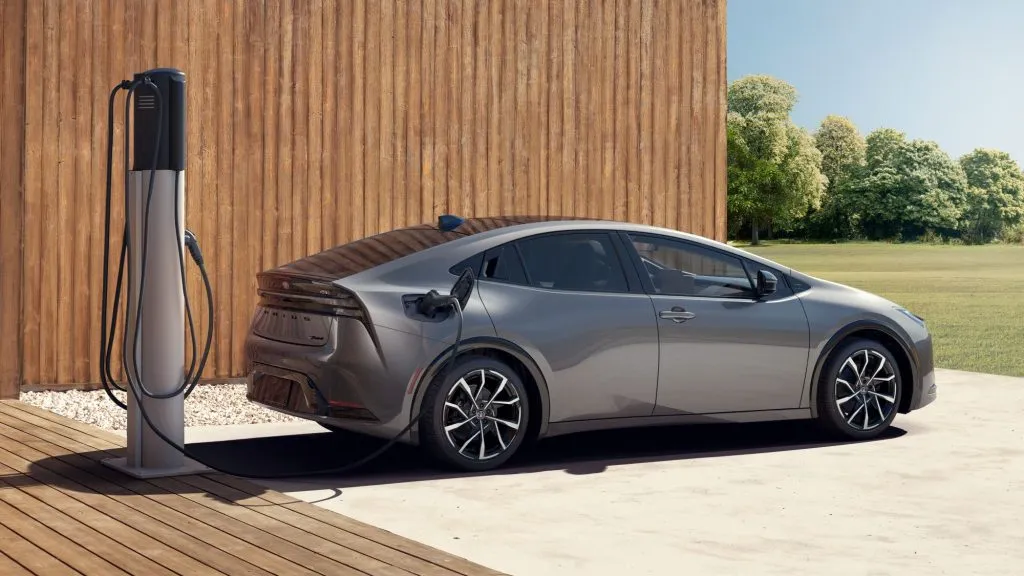
Hybrid Car Innovations have revolutionized the automotive industry by combining fuel efficiency, reduced emissions, and advanced technology. Over the past decade, hybrid vehicles have moved from niche experiments to mainstream options, offering drivers a balance of sustainability and performance.
The rise of hybrids represents more than just a shift in propulsion systems; it’s a glimpse into the future of mobility. From intelligent energy management to regenerative braking and lightweight materials, these innovations continue to redefine what modern vehicles can achieve.
In this article, we’ll explore the latest Hybrid Car Innovations, real-world examples, and how they are shaping the driving experience for millions of users worldwide.
Understanding Hybrid Car Innovations
Hybrid vehicles combine internal combustion engines (ICE) with electric motors to optimize performance and fuel efficiency. The integration of these systems requires sophisticated software, battery management, and power distribution strategies.
Recent Hybrid Car Innovations include advanced battery technologies, regenerative braking systems, and smart energy recovery. Automakers are also integrating AI-powered predictive systems that adjust energy usage based on driving patterns, traffic conditions, and terrain.
These innovations not only improve fuel economy but also reduce environmental impact, supporting global efforts to lower carbon emissions.
Advanced Battery Technologies
At the heart of hybrid vehicles are the batteries. Early hybrids relied on nickel-metal hydride (NiMH) batteries, but modern systems increasingly use lithium-ion and solid-state technologies.
Hybrid Car Innovations in battery design focus on higher energy density, faster charging, and longer life cycles. For instance, regenerative braking now captures and stores more energy than ever, feeding it back into the battery for later use.
Companies such as Toyota and Honda are pioneering these technologies, offering vehicles that maintain performance while drastically reducing fuel consumption.
Regenerative Braking and Energy Efficiency
Regenerative braking is a cornerstone of hybrid efficiency. When a driver applies brakes, the system converts kinetic energy into electrical energy stored in the battery.
Modern Hybrid Car Innovations have made these systems more seamless. Sensors and AI algorithms optimize when and how energy is captured, ensuring minimal loss. Some hybrid vehicles can even anticipate downhill slopes and adjust braking to maximize energy recovery, extending overall range and efficiency.
This technology not only improves fuel economy but also enhances driving smoothness, making hybrids a comfortable and practical choice for urban commuting.
Lightweight Materials and Aerodynamics
Reducing weight is crucial for hybrid vehicle efficiency. Many manufacturers are using lightweight alloys, carbon fiber composites, and advanced plastics to improve fuel efficiency without compromising safety.
Aerodynamic design is also a key innovation. Sleek, low-drag shapes reduce resistance, allowing hybrids to achieve better mileage while maintaining stability at higher speeds.
When combined with optimized powertrain systems, these Hybrid Car Innovations contribute to remarkable efficiency gains compared to conventional vehicles.
Intelligent Power Management Systems
Hybrid vehicles require sophisticated control systems to coordinate electric and combustion power. Modern innovations include predictive energy management, where the vehicle anticipates driving conditions and optimizes power delivery accordingly.
For example, during city driving, hybrids may rely primarily on electric motors, switching seamlessly to the ICE for highway cruising. Some systems even integrate navigation data to anticipate traffic congestion, adjusting power distribution for maximum efficiency.
This intelligent coordination is a hallmark of Hybrid Car Innovations, providing both environmental and economic benefits for drivers.
Real-World Example: The Toyota Prius
The Toyota Prius has long been synonymous with hybrid innovation. Over generations, it has incorporated advanced battery technology, improved aerodynamics, and predictive energy management systems.
Owners of the Prius report smooth transitions between electric and combustion power, enhanced fuel efficiency, and reduced environmental impact. The combination of engineering and innovation demonstrates how hybrids can meet real-world needs without sacrificing practicality or comfort.
Plug-In Hybrids and Extended Electric Range
Plug-in hybrids (PHEVs) represent the next step in hybrid innovation. Unlike traditional hybrids, PHEVs feature larger batteries that can be charged via external power sources, allowing extended electric-only driving.
Hybrid Car Innovations in PHEVs focus on integrating high-capacity batteries, efficient motors, and advanced charging solutions. Drivers benefit from reduced fuel use for short commutes while retaining the flexibility of a combustion engine for long trips.
This dual capability addresses range anxiety while promoting adoption of cleaner transportation technologies.
Connectivity and Smart Features
Modern hybrid vehicles often include smart connectivity options. Features such as remote battery monitoring, predictive maintenance alerts, and smartphone integration enhance user experience and vehicle longevity.
For instance, AI-powered systems can analyze driving patterns, suggesting more efficient routes or adjusting regenerative braking parameters. Some models even integrate with home energy systems, allowing for optimized charging during off-peak hours.
These innovations illustrate how Hybrid Car Innovations extend beyond propulsion, integrating technology to create smarter, more efficient vehicles.
Environmental Impact and Sustainability
Hybrid vehicles play a significant role in reducing greenhouse gas emissions. By combining electric and combustion power efficiently, hybrids consume less fuel, reducing CO₂ output per mile.
Hybrid Car Innovations also focus on sustainable manufacturing. Many automakers are using recycled materials, eco-friendly batteries, and low-impact production techniques. These efforts align with global initiatives to combat climate change while meeting consumer demand for greener vehicles.
Safety Innovations in Hybrids
Safety is a critical aspect of hybrid innovation. Modern hybrids integrate advanced driver-assistance systems (ADAS), collision avoidance, and intelligent braking systems.
Battery placement and structural design have evolved to maintain crash safety standards. Engineers ensure that hybrid systems do not compromise vehicle integrity while improving stability and handling.
Safety-focused Hybrid Car Innovations make hybrids not only environmentally responsible but also reliable for everyday driving.
Future Trends in Hybrid Car Innovations
Looking ahead, hybrid technology continues to evolve rapidly. Developments in solid-state batteries promise higher energy density and faster charging times. AI-driven energy management will further optimize efficiency, and lightweight materials will continue to improve performance.
Hybrid systems may also increasingly integrate with renewable energy grids, enabling vehicles to charge sustainably and interact with smart city infrastructure.
These trends suggest that Hybrid Car Innovations will remain at the forefront of automotive technology, offering drivers cleaner, more efficient, and smarter vehicles.
Cost Considerations and Value
While hybrid vehicles can have higher upfront costs, Hybrid Car Innovations provide long-term savings through improved fuel economy, reduced maintenance, and potential tax incentives.
Investing in a hybrid with advanced technology ensures drivers benefit from both environmental and economic returns. Over the vehicle’s lifecycle, efficiency gains and sustainability advantages often outweigh initial purchase costs, making hybrids a smart choice for cost-conscious and eco-conscious drivers alike.
Driving Experience Enhanced by Hybrid Technology
Hybrid vehicles offer a unique driving experience. Smooth transitions between electric and combustion power, regenerative braking, and intelligent energy management create a responsive, enjoyable ride.
Whether navigating urban traffic or cruising highways, Hybrid Car Innovations enhance control, comfort, and efficiency. Drivers gain confidence knowing their vehicle is both high-performing and environmentally responsible.
Integration with Renewable Energy
A growing trend in hybrid innovation is synergy with renewable energy. Solar-assisted charging and integration with home energy management systems allow drivers to maximize electric driving range while reducing reliance on fossil fuels.
These developments highlight the expanding role of Hybrid Car Innovations beyond the vehicle itself, linking cars to broader energy sustainability goals and smart infrastructure.
Maintenance and Longevity
Advanced hybrids require regular maintenance to ensure long-term performance. Battery health, regenerative braking systems, and powertrain components need monitoring.
Innovative diagnostics and remote monitoring tools enable proactive maintenance. Owners can track battery performance, receive alerts, and schedule timely service, extending vehicle lifespan.
These innovations make hybrid ownership convenient, reliable, and stress-free, demonstrating the practical advantages of modern hybrid systems.
Conclusion
Hybrid Car Innovations continue to shape the future of personal transportation. Through advancements in battery technology, regenerative systems, lightweight materials, connectivity, and safety, hybrids provide a balanced combination of efficiency, performance, and sustainability.
From everyday commuters to tech-savvy enthusiasts, these innovations offer tangible benefits for drivers while supporting environmental responsibility. With ongoing research and development, hybrid vehicles are set to remain a cornerstone of automotive innovation for years to come.
Read also: