
Social Media Marketing has transformed the way brands connect with their audiences. I remember helping a small local bakery launch its first Instagram campaign. At first, the posts barely received likes or comments. But once we shared behind-the-scenes stories, recipes, and customer highlights, engagement skyrocketed. Within weeks, foot traffic increased, and online orders grew significantly. This example illustrates the power of strategic Social Media Marketing.
Social media is no longer optional—it’s essential. But success depends on understanding platforms, audience behavior, and content strategies that drive meaningful interaction rather than just vanity metrics.
Why Social Media Marketing Matters
Effective Social Media Marketing doesn’t just increase followers—it builds brand awareness, loyalty, and trust. Every post, story, or video is an opportunity to connect with your audience on a personal level.
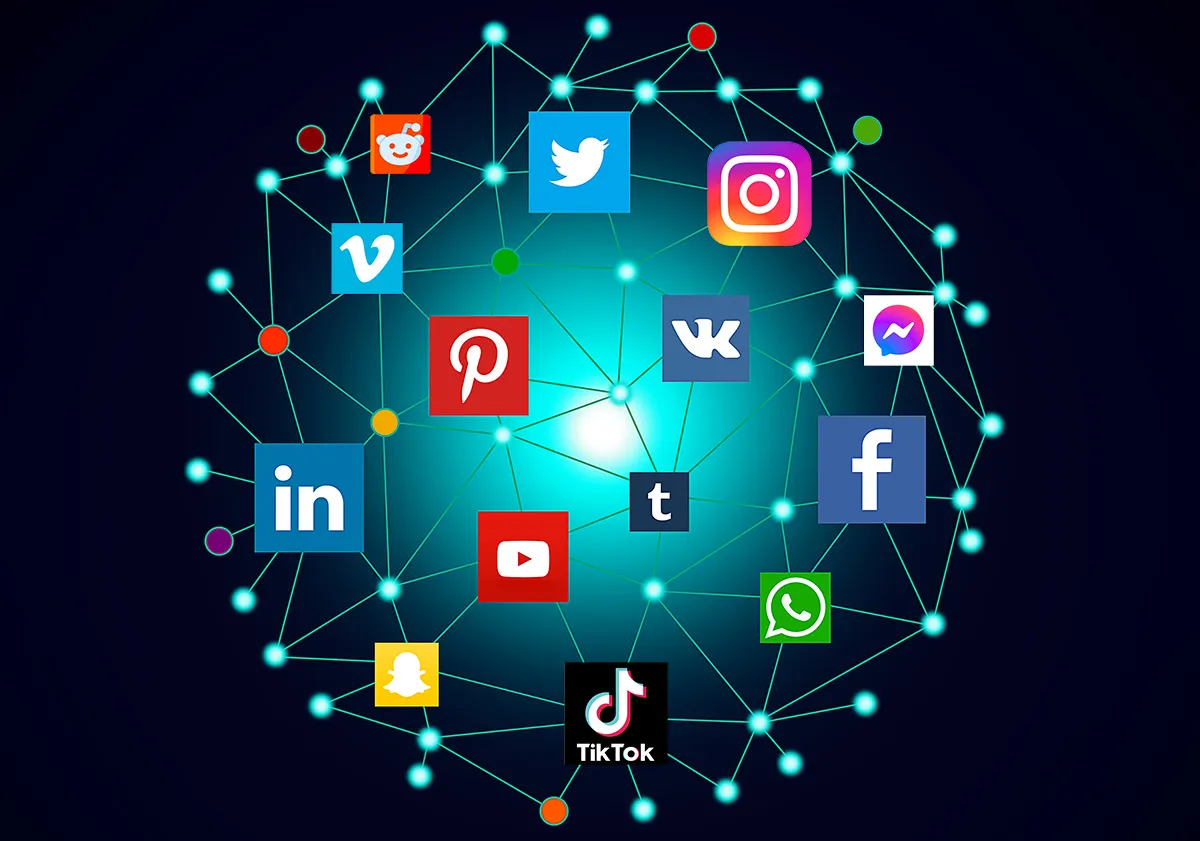
Platforms like Facebook, Instagram, Twitter, LinkedIn, and TikTok have different strengths. Understanding where your audience spends time helps you tailor your strategy. Brands that invest in learning these nuances often see higher engagement, conversion rates, and brand recall.
For example, a clothing brand found more traction on Instagram through visual storytelling, while a B2B tech company experienced higher lead generation on LinkedIn through informative content.
Crafting a Winning Social Media Strategy
A successful Social Media Marketing strategy starts with clear goals. Are you aiming to increase brand awareness, generate leads, or foster community? Setting measurable objectives ensures that every action aligns with your overarching plan.
Audience research is crucial. Knowing demographics, interests, and online behavior helps create content that resonates. Once you understand your audience, you can craft a content calendar that balances value, engagement, and promotion.
Consistency matters. Posting regularly keeps your audience engaged, while occasional surprises—like contests or live events—maintain excitement.
Creating Engaging Content
Content is the heart of social media. High-quality, authentic content encourages interaction and sharing. Storytelling is one of the most powerful tools in Social Media Marketing. By sharing real experiences, behind-the-scenes looks, or customer stories, brands humanize themselves.
Videos, reels, and stories have become essential, particularly for platforms like Instagram and TikTok. Short, visually appealing videos often outperform static posts, keeping audiences engaged longer.
User-generated content is another impactful approach. Encouraging followers to share photos or experiences creates social proof, builds community, and drives organic reach.
Leveraging Paid Advertising
While organic reach is important, paid social media campaigns amplify visibility. Platforms provide detailed targeting options, allowing brands to reach specific audiences based on interests, behavior, and demographics.
Retargeting campaigns, for instance, remind website visitors or past customers about products, improving conversion rates. Paid campaigns also provide valuable insights into audience behavior, preferences, and content performance.
Strategically combining organic and paid efforts strengthens overall Social Media Marketing, maximizing reach and engagement.
Community Engagement and Interaction
Social media is a two-way street. Brands that engage with their audience through comments, messages, and live interactions build loyalty.
Prompt responses to questions or feedback demonstrate care and reliability. Interactive content like polls, Q&A sessions, and live streams encourages active participation and keeps followers invested.
One brand I worked with used weekly live Q&A sessions to address customer concerns. Engagement and trust increased dramatically, showing how consistent interaction enhances Social Media Marketing outcomes.
Analyzing Metrics and Insights
Monitoring performance is essential. Key metrics include reach, engagement rate, click-through rate, conversion, and sentiment analysis.
Understanding these numbers helps identify what resonates with your audience and what doesn’t. Iterating based on insights ensures that content remains relevant and effective.
For example, a tech startup discovered that their audience preferred short explainer videos over text posts. Adjusting their content strategy increased engagement by over 50% in just two months.
Influencer and Partnership Strategies
Collaborating with influencers or complementary brands can extend reach. Influencers bring credibility and access to niche audiences that might otherwise be hard to reach.
Authenticity is critical. Audiences respond better to influencers who genuinely align with the brand’s values and products. These partnerships, when done thoughtfully, amplify visibility and foster trust, core elements of effective Social Media Marketing.
Adapting to Platform Trends
Social media trends evolve rapidly. Features like Instagram Reels, Twitter Spaces, or LinkedIn Articles create new opportunities for engagement.
Successful brands monitor trends, experiment with formats, and adapt quickly. Flexibility allows your strategy to remain relevant while standing out from competitors.
Early adopters of new features often gain higher organic reach, proving that timely adaptation enhances overall Social Media Marketing effectiveness.
Storytelling as a Long-Term Strategy
While short-term campaigns drive immediate results, long-term storytelling builds brand identity. Consistently sharing a cohesive narrative keeps audiences invested and builds emotional connections.
For instance, a sustainable fashion brand documenting its eco-friendly journey attracted loyal followers who engage consistently, share stories, and become brand advocates.
Storytelling transforms casual followers into invested communities, the ultimate goal of sustained Social Media Marketing.
Addressing Challenges in Social Media Marketing
Challenges like algorithm changes, audience fatigue, or content saturation are common. Overcoming these requires creativity, experimentation, and resilience.
Brands must remain authentic and provide consistent value. Testing new content types, formats, and messaging ensures audiences stay interested.
For example, a brand facing declining engagement introduced interactive quizzes and storytelling posts, revitalizing their audience’s attention and activity.
Tools and Automation
Several tools simplify Social Media Marketing efforts. Scheduling platforms, analytics tools, and social listening software allow for efficient planning, tracking, and response.
Automation helps maintain consistency without losing authenticity. However, balance is key—over-automation can make interactions feel robotic, undermining engagement.
Brands that combine tools with personal touch achieve higher engagement and smoother workflow, maintaining active audience connections.
Building a Community Around Your Brand
Communities foster loyalty. Social media groups, forums, or private pages allow audiences to interact not just with the brand but with each other.
Active communities share experiences, provide feedback, and amplify content organically. Members feel a sense of belonging, which strengthens long-term engagement.
One example is a fitness brand creating a private Facebook group for subscribers, where members exchange tips and successes. Engagement grew organically, demonstrating the power of community in Social Media Marketing.
Continuous Improvement and Learning
The digital landscape evolves constantly. Regularly reviewing performance, experimenting with new content, and adapting to audience feedback ensures relevance.
Brands that invest in continuous learning—not just in tools but also audience behavior and trends—maintain strong connections and high engagement.
This iterative approach ensures that Social Media Marketing remains effective, even as platforms and audiences change.
Real-Life Impact: Turning Followers into Advocates
I once assisted a small eco-friendly startup struggling with social media traction. By implementing a mix of storytelling, influencer partnerships, and interactive content, followers became active participants.
They shared their experiences, tagged friends, and contributed content themselves. Engagement doubled within months, highlighting how strategic Social Media Marketing converts passive audiences into loyal advocates.
Measuring Success Beyond Numbers
While metrics like likes, shares, and followers are valuable, qualitative engagement matters too. Comments, feedback, and conversations reflect true audience connection.
Listening to this feedback guides content strategy, improves customer experience, and deepens engagement. Brands that focus on meaningful interactions, not just vanity metrics, achieve long-term success in Social Media Marketing.
Read also :-
forum social media girls
social media girl forum
socialmedia girl forum
forum influencer girls
1732280948
social girls forum