
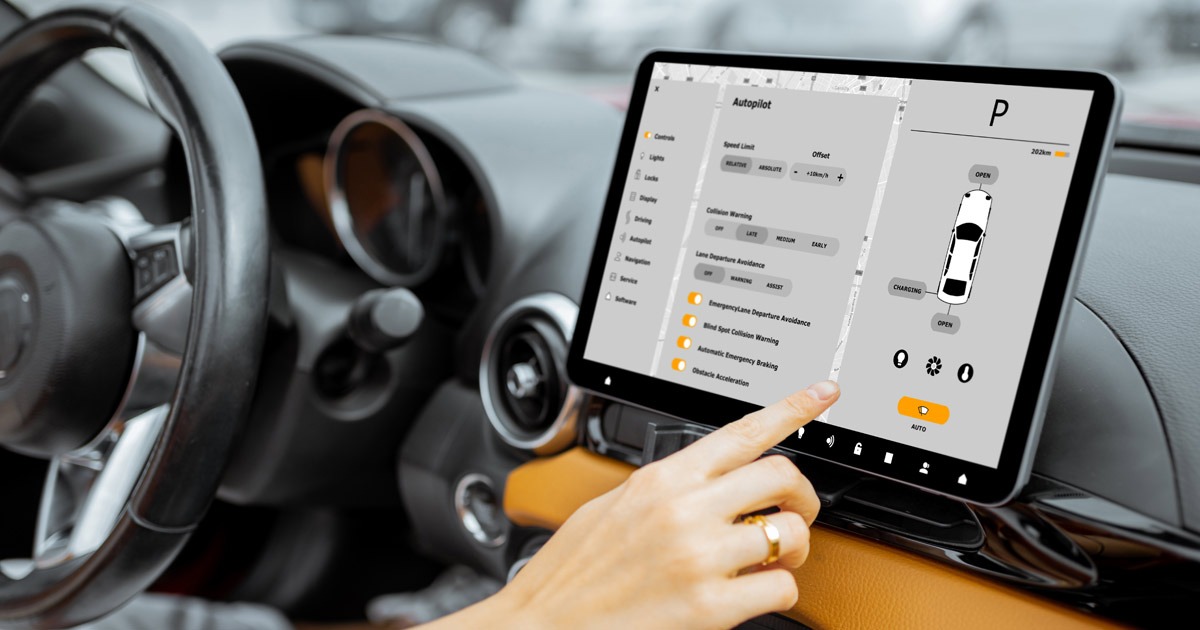
Smart dashboard display systems are transforming the way drivers interact with their vehicles. What was once a simple panel with analog gauges has evolved into a fully digital command center powered by artificial intelligence, real-time connectivity, and immersive graphics.
Think about sitting in a car ten years ago. You probably saw a speedometer, a fuel gauge, and maybe a small infotainment screen. Now, step inside a modern vehicle from Mercedes-Benz or BMW and the experience feels closer to using a high-end tablet than driving a traditional car.
The dashboard is no longer just informative. It is interactive, predictive, and deeply personalized.
Table of Contents
ToggleThe Evolution of Smart Dashboard Display Systems
The journey from analog to digital dashboards didn’t happen overnight. Early digital clusters simply replaced mechanical dials with LED screens. While visually appealing, they offered limited interactivity.
As computing power improved, manufacturers began integrating advanced graphics processors and touch interfaces. Automakers like Audi introduced virtual cockpits that allowed drivers to customize display layouts in real time.
Today, Smart dashboard display systems combine high-resolution displays, AI-driven analytics, and seamless smartphone integration. These systems adapt to driving modes, weather conditions, and user preferences.
The shift reflects a broader industry trend toward software-defined vehicles.
Core Technologies Behind Smart Dashboard Display Systems
Modern dashboards rely on several key technologies working together. High-definition LCD and OLED screens deliver sharp visuals even in direct sunlight.
Powerful onboard processors manage graphics rendering and real-time data streams. Companies like Qualcomm develop automotive chipsets specifically designed for advanced in-car displays.
Artificial intelligence enhances responsiveness by learning driver behavior patterns. For instance, navigation prompts may appear automatically during daily commute hours.
These integrated technologies ensure Smart dashboard display systems remain intuitive rather than overwhelming.
AI Personalization and Driver Profiles
One of the most impressive features of modern dashboards is personalization. Drivers can create user profiles that adjust seat position, climate settings, and display layouts automatically.
Manufacturers such as Hyundai Motor Company are integrating AI systems that recognize driver habits and suggest routes based on historical data.
Voice assistants further enhance convenience. Instead of navigating complex menus, drivers simply issue voice commands to adjust settings.
This personalized experience makes Smart dashboard display systems feel less like machines and more like digital companions.
Augmented Reality Head-Up Displays
Augmented reality is redefining how information appears in front of drivers. Instead of glancing down at screens, drivers can view navigation arrows and hazard warnings projected directly onto the windshield.
Volkswagen has invested heavily in AR-based head-up displays that overlay real-time navigation cues on actual road visuals.
This reduces distraction and enhances situational awareness. By merging digital content with physical surroundings, Smart dashboard display systems elevate both safety and user engagement.
The result is a driving experience that feels futuristic yet practical.
Integration with Connected Car Ecosystems
Connectivity plays a central role in dashboard innovation. Modern vehicles communicate with cloud servers, smartphones, and smart home devices.
Tesla uses over-the-air updates to enhance dashboard interfaces regularly. Features improve over time without requiring hardware changes.
Drivers can check battery levels, control climate settings remotely, and receive real-time traffic updates.
Through continuous software evolution, Smart dashboard display systems stay current long after the vehicle leaves the showroom.
Enhanced Safety Through Visual Intelligence
Safety remains a top priority in automotive design. Digital dashboards now display blind-spot alerts, lane departure warnings, and collision notifications in highly visible formats.
Automakers like Volvo Cars focus heavily on integrating safety visuals directly into dashboard displays.
Instead of relying solely on audible alerts, visual cues provide immediate context. A highlighted lane marker or flashing pedestrian icon captures attention instantly.
By combining visual clarity with AI-driven detection, Smart dashboard display systems significantly improve driver awareness.
Electric Vehicle Compatibility
Electric vehicles rely heavily on digital dashboards to communicate energy usage and battery health.
Nissan integrates energy flow diagrams into its EV dashboards, showing drivers exactly how power is being distributed.
Range estimation updates dynamically based on driving style and terrain conditions.
As EV adoption increases globally, Smart dashboard display systems play a crucial role in educating drivers about sustainable energy usage.
Human-Machine Interface Design
Designing effective human-machine interfaces requires deep research and testing. Engineers analyze driver eye movement patterns to determine optimal display placement.
Touchscreens are positioned within ergonomic reach to minimize distraction.
Automotive UX designers collaborate with psychologists to ensure information density remains manageable.
These research-backed approaches enhance the usability of Smart dashboard display systems, ensuring they support rather than complicate driving tasks.
Cybersecurity and Software Reliability
As dashboards become more connected, cybersecurity becomes critical. Protecting sensitive data such as navigation history and driver preferences is essential.
Manufacturers implement encrypted communication channels and secure boot systems to prevent unauthorized access.
Regulatory standards increasingly require compliance testing before new systems reach consumers.
Trust in Smart dashboard display systems depends heavily on secure and reliable software architecture.
Commercial and Fleet Applications
Fleet operators benefit from centralized dashboard analytics. Managers can monitor fuel efficiency, maintenance alerts, and route optimization data remotely.
Companies like Ford Motor Company integrate fleet management dashboards that sync with enterprise software platforms.
Real-time monitoring improves operational efficiency and reduces downtime.
The commercial adoption of Smart dashboard display systems highlights their scalability beyond personal vehicles.
The Role of Big Data and Continuous Learning
Every connected vehicle generates valuable performance data. Aggregated insights help manufacturers refine interface design and feature prioritization.
Machine learning models adapt display layouts based on aggregated driver behavior trends.
Continuous updates ensure dashboards remain responsive to evolving user expectations.
This data-driven approach strengthens the long-term evolution of Smart dashboard display systems.
Regulatory and Compliance Considerations
Governments establish guidelines to ensure that digital dashboards do not create driver distraction.
Safety agencies evaluate screen brightness, animation complexity, and information placement.
Compliance testing ensures that visual displays meet strict road safety standards.
Balanced regulation supports innovation while protecting public safety in the expansion of Smart dashboard display systems.
Real-World Experience: A Daily Commute Transformed
Picture starting your morning commute. As you enter the vehicle, the dashboard recognizes your profile instantly.
Navigation suggestions appear based on traffic conditions. Your preferred music playlist begins automatically.
Midway through the journey, a construction alert pops up visually on the screen, guiding you to an alternate route.
This seamless integration illustrates how Smart dashboard display systems enhance convenience, safety, and enjoyment in everyday driving.
Experience, Expertise, Authoritativeness, and Trustworthiness
The development of advanced dashboard systems is supported by automotive engineers, software developers, and human factors researchers.
Manufacturers invest billions annually in R&D to refine display clarity, responsiveness, and cybersecurity resilience.
Independent safety audits and compliance certifications strengthen industry credibility.
From an EEAT perspective, the credibility of Smart dashboard display systems lies in validated engineering standards, transparent testing protocols, and measurable safety improvements.
As vehicles continue evolving into intelligent mobility platforms, digital dashboards remain at the heart of driver interaction, shaping the future of connected transportation.
Read also:-