
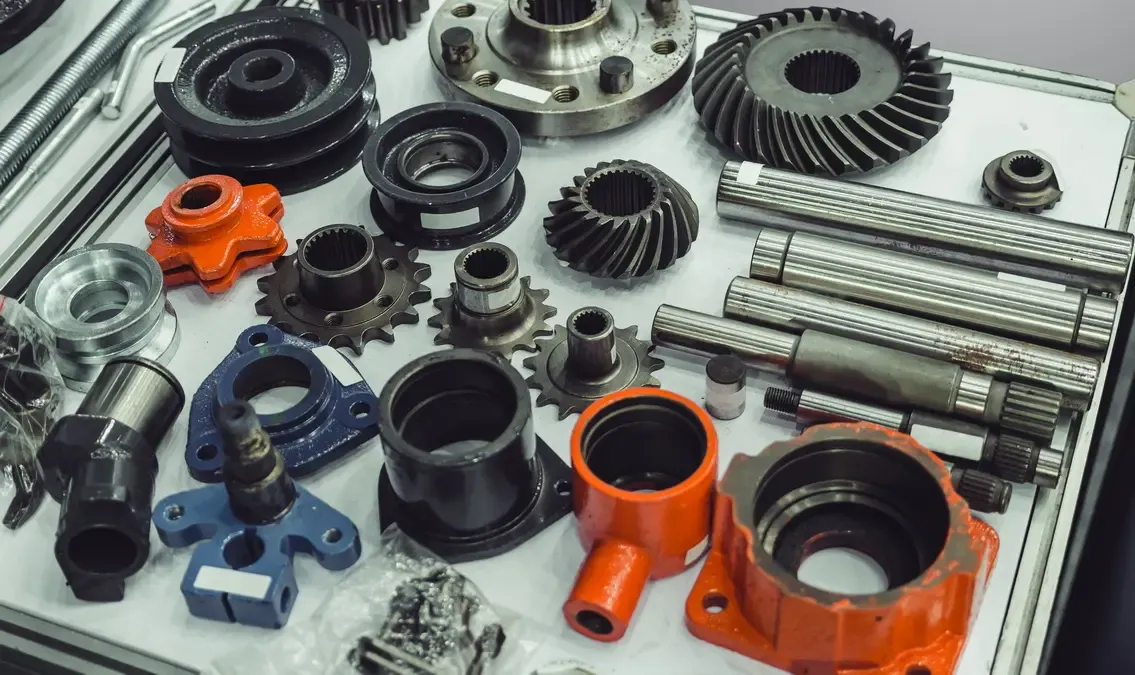
OEM replacement parts are often the first choice for drivers who want to maintain their vehicle’s original performance, safety, and reliability. When a component fails or wears out, the quality of the replacement part plays a crucial role in how the car performs afterward.
Imagine replacing a damaged headlight with a cheaper alternative, only to realize later that it doesn’t fit properly or match brightness standards. That small compromise can affect both safety and appearance. This is why many experienced mechanics recommend sticking with factory-standard components whenever possible.
Car ownership is not just about driving; it’s about maintaining value and reliability over time. The type of parts you choose directly influences that outcome.
What Are OEM Replacement Parts?
OEM stands for Original Equipment Manufacturer. These parts are produced by the same manufacturer that made the original components installed in your vehicle at the factory.
They are designed to match exact specifications in terms of dimensions, material quality, and performance standards. This ensures seamless compatibility with your vehicle’s systems.
Unlike generic alternatives, OEM replacement parts are engineered specifically for a particular make and model. This precision reduces installation complications and ensures optimal performance.
For drivers who prioritize factory-grade reliability, OEM components offer peace of mind.
Why Many Drivers Prefer OEM Replacement Parts
One of the strongest advantages of OEM components is guaranteed fitment. Since they are built to original specifications, installation is straightforward and accurate.
Performance consistency is another key factor. OEM parts undergo rigorous quality testing to meet manufacturer standards. This reduces the risk of premature wear or malfunction.
Warranty protection also plays a role. Many vehicle warranties require manufacturer-approved components to maintain coverage.
By choosing OEM replacement parts, drivers often avoid compatibility issues that can arise with aftermarket alternatives.
The Difference Between OEM and Aftermarket Parts
Aftermarket parts are produced by third-party manufacturers. While some offer high quality, others may compromise on materials or precision to reduce costs.
OEM components are built to factory standards, while aftermarket parts can vary in quality and fitment accuracy. Price differences often reflect this variation.
Some drivers choose aftermarket parts for customization or cost savings. However, when it comes to critical systems like brakes, airbags, or engine components, reliability becomes non-negotiable.
Understanding these differences helps car owners make informed decisions about repairs and replacements.
How OEM Replacement Parts Maintain Vehicle Performance
Modern vehicles are engineered with precise tolerances. Engine systems, suspension components, and electrical modules rely on exact calibration.
Using factory-standard parts ensures these systems function as intended. Even minor deviations in dimensions or materials can affect performance.
For example, a non-OEM sensor might send inaccurate data to the engine control unit, leading to reduced fuel efficiency or performance issues.
Maintaining consistency through OEM replacement parts helps preserve the driving experience originally designed by the manufacturer.
Safety Considerations in Part Selection
Safety systems in vehicles are interconnected. Airbags, braking systems, and steering mechanisms must operate flawlessly under stress.
OEM components undergo strict safety testing to meet regulatory standards. This ensures reliability during emergencies.
Compromising on quality in critical areas can have serious consequences. Professional technicians often recommend manufacturer-approved parts for safety-related repairs.
Investing in trusted components protects not only the vehicle but also its occupants.
Real-Life Example: The Cost of Compromise
A car owner once replaced suspension components with low-cost alternatives. Within months, uneven tire wear and steering vibration became noticeable.
The parts failed prematurely, requiring another repair. In the end, the total cost exceeded what would have been spent on quality components initially.
Stories like this highlight why OEM replacement parts can offer better long-term value despite a higher upfront cost.
Reliability often outweighs short-term savings.
Warranty and Resale Value Benefits
Vehicles maintained with manufacturer-approved components often retain higher resale value. Buyers feel more confident when service records show consistent use of original-standard parts.
Warranty compliance is another important consideration. Some manufacturers specify OEM parts to maintain coverage.
Service centers may document the use of genuine components, reinforcing trust during resale negotiations.
Maintaining authenticity enhances both reliability and financial return.
Availability and Accessibility of OEM Parts
In the past, sourcing OEM components required dealership visits. Today, authorized online platforms and certified service centers make access easier.
Digital catalogs allow precise identification of required parts based on vehicle identification numbers.
This convenience ensures that drivers no longer have to choose between quality and accessibility.
The automotive supply chain has evolved, making factory-grade components more widely available than ever before.
The Role of Professional Mechanics
Experienced technicians understand the technical nuances of vehicle systems. They often recommend manufacturer-approved components to maintain system integrity.
Professional installation ensures that OEM replacement parts perform as intended. Proper torque settings, calibration, and alignment are critical.
Skilled mechanics also verify part authenticity, protecting customers from counterfeit products.
Expert guidance reduces risk and enhances overall repair quality.
Addressing Common Myths About OEM Parts
Some drivers believe OEM components are overpriced without added benefit. While costs can be higher, the difference often reflects quality assurance and compatibility guarantees.
Another misconception is that all aftermarket parts are inferior. In reality, some reputable aftermarket manufacturers produce high-quality components. However, quality consistency varies widely.
Choosing OEM ensures predictability. Drivers know exactly what they are getting in terms of fit and performance.
Clarity and transparency empower informed decision-making.
OEM Replacement Parts and Modern Vehicles
Today’s vehicles are more technologically advanced than ever. Electronic control modules, sensors, and advanced driver assistance systems rely on precise integration.
Using factory-standard components reduces the risk of software incompatibility or calibration issues.
As vehicles incorporate more technology, the importance of accurate part replacement increases.
Advanced engineering demands precise solutions, reinforcing the relevance of OEM replacement parts in modern automotive care.
Environmental Considerations
Durable components reduce waste by lasting longer and minimizing repeated replacements.
Quality manufacturing standards often involve responsible sourcing and production processes aligned with industry regulations.
By choosing reliable parts that meet original standards, drivers indirectly support sustainable practices.
Longevity and efficiency contribute to environmental responsibility.
Cost vs. Long-Term Value
While OEM components may require a higher initial investment, they often provide longer service life.
Reduced risk of malfunction, better system compatibility, and warranty support translate into long-term savings.
Drivers who prioritize reliability over short-term savings typically experience fewer recurring issues.
Viewing maintenance decisions as long-term investments changes the financial perspective.
Ensuring Authenticity
Counterfeit automotive components pose a growing concern. Purchasing from authorized dealers or certified platforms helps ensure authenticity.
Original packaging, manufacturer branding, and proper documentation indicate genuine parts.
Verifying authenticity protects both safety and performance standards.
Trustworthy suppliers build long-term customer confidence.
The Future of OEM Replacement Parts
As automotive technology advances, part precision will become even more critical. Electric vehicles, hybrid systems, and advanced safety technologies require exact specifications.
Manufacturers are investing in improved materials and engineering to enhance durability and performance.
Digital tracking systems may soon allow customers to verify part origin instantly.
The evolution of vehicle design will continue to emphasize the importance of factory-standard components.
Building Trust Through Quality and Expertise
Reliable automotive care depends on informed decisions. Choosing manufacturer-approved components demonstrates commitment to safety and performance.
Certified technicians, transparent sourcing, and documented service records reinforce credibility.
Experience, expertise, authority, and trustworthiness define responsible vehicle ownership.
OEM replacement parts remain a cornerstone of dependable repairs, helping drivers preserve performance, safety, and long-term vehicle value through every stage of ownership.
Read also: