
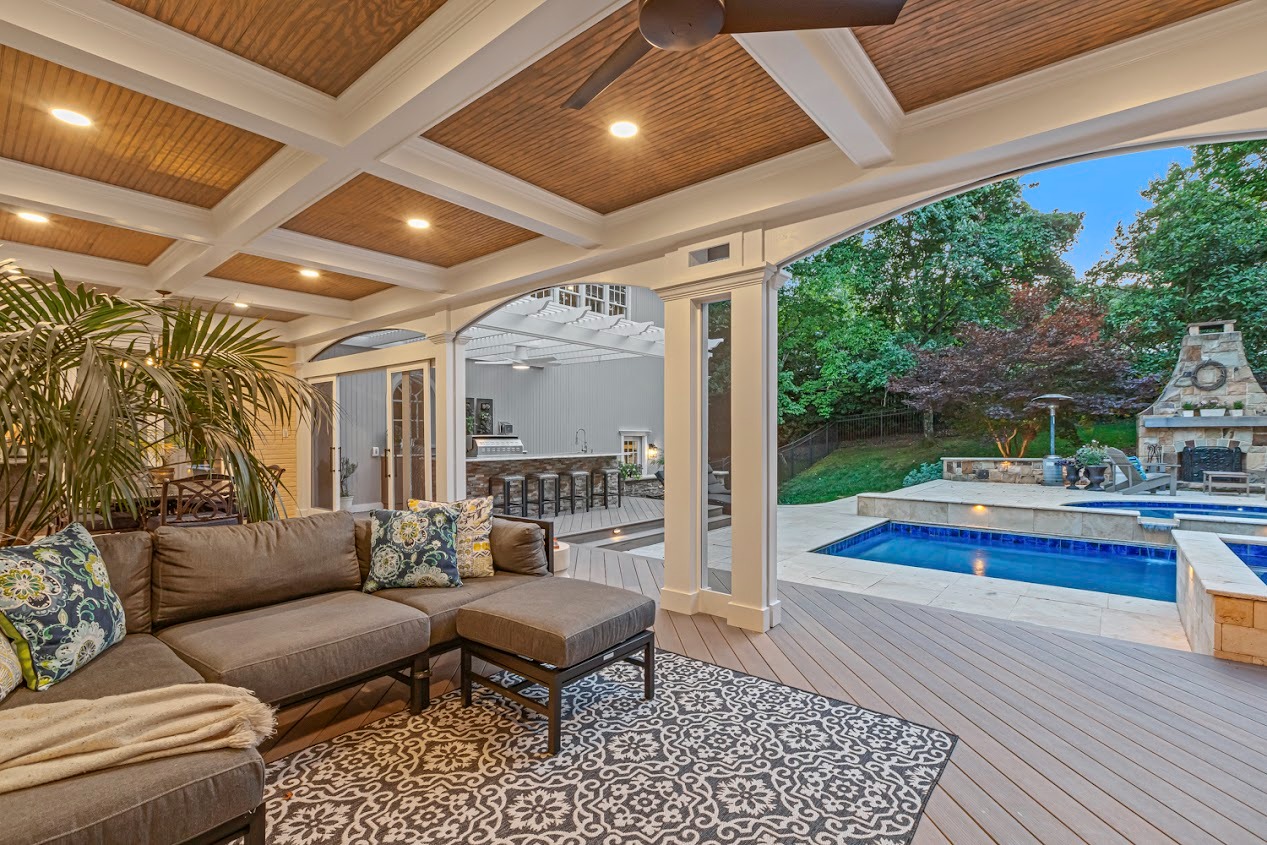
Outdoor living spaces have become one of the most desirable home upgrades in recent years. What was once just a patio with a grill is now evolving into fully functional extensions of the home, complete with kitchens, lounges, fireplaces, and even entertainment systems.
A few summers ago, I visited friends who had redesigned their backyard. Instead of a plain deck, they created a shaded seating area, a small outdoor kitchen, and soft lighting that turned the space magical at sunset. We spent the entire evening outside, barely stepping indoors. That experience perfectly illustrates why so many homeowners are investing in outdoor transformations.
Today, Outdoor living spaces are not just about aesthetics. They improve quality of life, encourage social connection, and significantly boost property value.
Why Outdoor Living Spaces Are More Popular Than Ever
Homeowners increasingly seek ways to maximize usable square footage without adding costly interior renovations. Expanding into the backyard provides a practical solution.
Lifestyle shifts have also played a role. Remote work, wellness trends, and a desire for fresh air have made outdoor environments more important than ever.
Design inspiration from platforms and home improvement shows has fueled creativity. Networks like HGTV regularly showcase backyard makeovers that blur the line between indoor and outdoor living.
As a result, Outdoor living spaces are becoming standard features in modern home design rather than luxury add-ons.
The Core Elements of Outdoor Living Spaces
Creating a functional outdoor area requires thoughtful planning. Every element should serve a purpose while contributing to overall comfort.
Seating areas form the foundation. Comfortable sofas, weather-resistant chairs, and durable tables transform a patio into a living room under the sky.
Shade structures such as pergolas or covered patios provide protection from sun and rain. These additions extend usability throughout the year.
Outdoor kitchens have surged in popularity. Grills, prep counters, sinks, and even pizza ovens create a fully operational cooking space.
Well-designed Outdoor living spaces integrate these components seamlessly to create a cohesive environment.
Designing Outdoor Living Spaces for Comfort
Comfort should always guide design decisions.
Choose weather-resistant furniture with cushions made from fade-resistant fabrics. Materials such as teak, aluminum, and composite wicker hold up well over time.
Heating elements like fire pits or patio heaters extend usability into cooler months. Fire features also create a welcoming ambiance.
Lighting is equally important. Soft string lights, pathway illumination, and recessed deck lighting enhance safety and atmosphere.
When carefully planned, Outdoor living spaces feel just as inviting as indoor rooms.
Outdoor Living Spaces and Home Value
Real estate professionals frequently note that well-designed outdoor areas attract buyers.
According to organizations like the National Association of Realtors, outdoor improvements often deliver strong returns on investment.
Buyers increasingly view patios, decks, and outdoor kitchens as essential features rather than optional upgrades.
High-quality landscaping and functional layouts signal thoughtful property maintenance.
Investing in Outdoor living spaces can therefore increase both enjoyment and resale value.
Blending Indoor and Outdoor Design
Modern architecture emphasizes seamless transitions.
Large sliding glass doors create visual continuity between interior and exterior areas.
Matching flooring materials or complementary color schemes enhance cohesion.
Architectural firms such as American Institute of Architects highlight biophilic design principles that connect occupants with nature.
By aligning indoor aesthetics with outdoor elements, Outdoor living spaces feel like natural extensions of the home.
Landscaping and Natural Elements
Landscaping shapes the atmosphere of any outdoor environment.
Strategic planting adds privacy and softens hard surfaces. Native plants require less maintenance and water.
Water features introduce calming sounds. Small fountains or ponds enhance relaxation.
Trees provide shade while contributing to ecological balance.
When greenery is thoughtfully incorporated, Outdoor living spaces become tranquil retreats rather than simple patios.
Outdoor Kitchens and Dining Areas
Cooking outdoors creates memorable experiences.
Built-in grills, refrigeration units, and durable countertops increase convenience.
Dining tables positioned under pergolas or umbrellas offer protection from direct sunlight.
Weather-resistant cabinetry ensures long-term durability.
Families who invest in Outdoor living spaces often report hosting gatherings more frequently, enjoying fresh air while entertaining guests.
Technology in Outdoor Living Spaces
Smart technology is expanding into exterior environments.
Weatherproof speakers and integrated sound systems enhance entertainment.
Outdoor televisions designed for glare resistance make movie nights under the stars possible.
Smart lighting systems allow homeowners to control ambiance from mobile devices.
Brands like Sonos have introduced durable speakers specifically built for outdoor use.
Technology integration makes Outdoor living spaces more versatile and user-friendly.
Sustainability in Outdoor Design
Sustainability plays a growing role in backyard planning.
Permeable pavers allow rainwater to drain naturally, reducing runoff.
Solar-powered lighting minimizes energy consumption.
Using reclaimed wood or recycled materials reduces environmental impact.
Organizations such as the U.S. Green Building Council promote environmentally responsible construction practices.
Eco-conscious Outdoor living spaces align beauty with sustainability.
Climate Considerations
Design strategies should reflect local climate conditions.
In warmer regions, shade structures and ventilation are essential.
In colder climates, insulated pergolas and outdoor fireplaces improve year-round usability.
Coastal environments require corrosion-resistant materials.
Tailoring Outdoor living spaces to regional weather ensures durability and comfort.
Maintenance and Longevity
Regular maintenance preserves functionality and appearance.
Cleaning furniture, sealing wood surfaces, and inspecting electrical components prevent deterioration.
Seasonal adjustments, such as storing cushions during heavy rain or snow, extend lifespan.
Durable materials reduce long-term upkeep requirements.
Well-maintained Outdoor living spaces continue to provide enjoyment for many years.
Budget Planning and Phased Development
Not every backyard transformation needs to happen at once.
Homeowners often begin with a simple patio and gradually expand to include kitchens or pergolas.
Phased development allows flexibility while managing expenses.
Professional design consultations ensure that future additions integrate smoothly.
Strategic investment in Outdoor living spaces balances creativity with practicality.
Creating Zones Within Outdoor Living Spaces
Dividing the yard into functional zones enhances usability.
A lounge area can coexist with a dining section and a play space for children.
Clear pathways guide movement naturally.
Subtle level changes define different areas without disrupting flow.
Thoughtful zoning ensures that Outdoor living spaces serve multiple purposes simultaneously.
Health and Wellness Benefits
Spending time outdoors reduces stress and improves mental clarity.
Natural light exposure supports circadian rhythms.
Fresh air and greenery contribute to overall well-being.
Outdoor yoga platforms or meditation corners provide dedicated wellness zones.
Beyond aesthetics, Outdoor living spaces positively impact physical and emotional health.
EEAT and Choosing Trusted Professionals
Experience matters when designing and constructing outdoor environments.
Expertise ensures proper drainage, electrical safety, and structural integrity.
Authoritativeness comes from licensed contractors and recognized industry associations.
Trustworthiness involves transparent contracts, clear timelines, and honest cost estimates.
By working with reputable professionals, homeowners can confidently develop Outdoor living spaces that meet both functional and aesthetic goals.
Emerging Trends in Outdoor Living Spaces
Minimalist design with neutral palettes continues to gain traction.
Integrated fire and water features create dramatic focal points.
Multi-season enclosures allow year-round enjoyment.
Sustainable landscaping practices are becoming standard rather than optional.
As innovation continues, Outdoor living spaces evolve to reflect modern lifestyles and environmental awareness.
Read also:-