
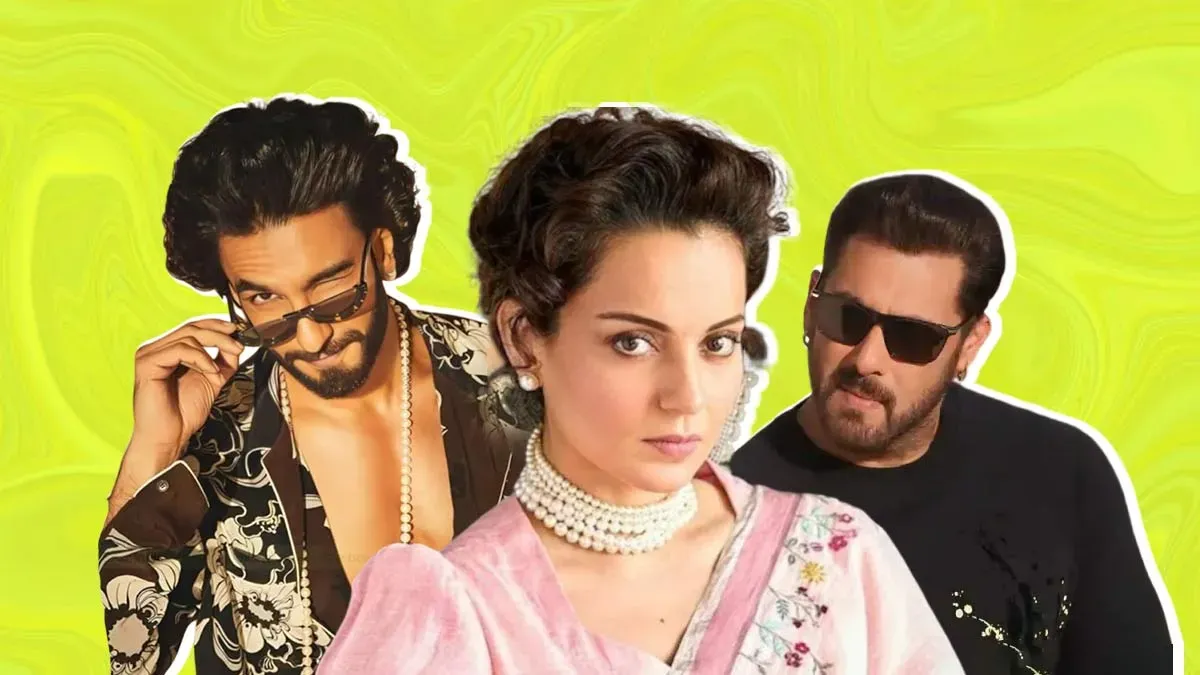
Internet celebrity controversies have become one of the most defining features of the digital age. From viral apologies to canceled brand deals, these public dramas unfold in real time, shaping careers and influencing millions of followers worldwide. In today’s hyper-connected world, a single tweet, video clip, or leaked message can spark days—sometimes years—of backlash. The rise of creators, streamers, influencers, and online personalities has made fame more accessible than ever. But it has also made scrutiny relentless. Unlike traditional celebrities who relied on publicists and media outlets, internet stars operate directly in front of their audiences. That closeness creates loyalty—but also magnifies mistakes. Understanding internet celebrity controversies isn’t just gossip; it’s a reflection of culture, accountability, and digital power.
The Rise of Digital Fame and Instant Backlash
Just a decade ago, becoming famous required studios, networks, or publishing deals. Today, anyone with a smartphone and internet access can build a global audience. TikTok dancers, YouTube vloggers, gaming streamers, beauty influencers, and podcasters often reach millions before turning 25. With that rapid growth comes limited preparation. Many creators are ordinary individuals thrust into extraordinary visibility. When mistakes happen—offensive jokes, insensitive comments, deceptive sponsorships—they don’t unfold quietly. They explode. Internet celebrity controversies spread faster than traditional scandals. Algorithms amplify outrage because controversy drives engagement. Screenshots circulate instantly. Reaction videos multiply. Hashtags trend globally within hours. This speed changes everything. There’s no cooling-off period. No time for reflection before public judgment begins.
Why internet celebrity controversies Go Viral So Fast
One reason internet celebrity controversies escalate quickly is the emotional investment of followers. Audiences feel personally connected to influencers. They’ve watched their daily routines, heard about their struggles, and supported their growth. When that trust feels broken, reactions become intense. It feels less like distant celebrity drama and more like a betrayal by someone familiar. Another factor is monetization. Influencers profit from authenticity. When controversies reveal hidden sponsorships, misleading claims, or unethical behavior, it triggers debates about honesty and exploitation. Social media platforms also reward engagement. Outrage, criticism, and heated discussions push posts into trending sections. The controversy becomes content in itself.
Types of internet celebrity controversies That Dominate Headlines
Not all internet celebrity controversies look the same. Some involve offensive past content resurfacing. Others revolve around cultural appropriation, misinformation, or inappropriate relationships with fans. There are also financial scandals. Crypto promotions that collapse. Questionable charity campaigns. Products that fail safety standards. These situations often raise legal and ethical questions. Then there are interpersonal conflicts. Public feuds between creators can divide entire fan bases. Reaction channels dissect every statement, turning disagreements into weeks-long narratives. The common thread is visibility. Everything happens in public. Every apology is analyzed. Every silence is interpreted.
The Psychology Behind Public Outrage
To understand internet celebrity controversies, it’s important to examine human behavior. Online platforms reduce social cues. People react more intensely because they’re behind screens. There’s also the concept of moral signaling. Calling out influencers can feel like defending community values. Users gain social validation through likes and shares for their critiques. At the same time, outrage cycles move quickly. Today’s villain may be forgotten next month. Digital audiences have short attention spans. This pattern creates an unstable environment for creators. Forgiveness may come—but unpredictably.
Real-World Lessons From Major internet celebrity controversies
Several high-profile internet celebrity controversies over the years have reshaped how influencers operate. In one widely discussed case, a beauty influencer lost brand partnerships after past discriminatory remarks resurfaced. The backlash led companies to strengthen background vetting processes for digital ambassadors. In another situation, a popular vlogger faced criticism for filming inappropriate content in a sensitive location abroad. The incident sparked global debate about cultural respect and responsible travel content. Gaming streamers have also faced suspensions for inappropriate comments made during live broadcasts. These moments highlight the risk of unfiltered communication when millions are watching in real time. Each controversy became a cautionary tale—not just for individuals involved, but for the entire creator economy.
Accountability in the Age of Screenshots
One defining characteristic of internet celebrity controversies is permanence. Screenshots never disappear. Deleted tweets can be recovered. Old videos can resurface years later. This digital memory challenges the idea of growth. Can creators evolve beyond past mistakes? Should audiences judge them forever for content posted in their teenage years? Some controversies have led to meaningful discussions about accountability versus cancellation. Brands, fans, and platforms now grapple with defining consequences. Authentic apologies tend to resonate more than defensive statements. Audiences often look for acknowledgment, learning, and concrete change rather than scripted responses.
How Brands Navigate internet celebrity controversies
Brands are increasingly cautious when partnering with influencers. A single scandal can damage reputations and lead to financial loss. Companies now include morality clauses in contracts. They monitor creator behavior closely. Some even conduct social media audits before signing deals. When internet celebrity controversies emerge, brands must respond quickly. Delayed reactions can appear complicit. Immediate distancing can seem opportunistic. The balance is delicate. Businesses must protect their image while recognizing the human aspect of online mistakes.
The Role of Platforms in Controversy Management
Social media companies also play a crucial role. They enforce community guidelines, suspend accounts, and sometimes remove monetization privileges. However, enforcement is often criticized as inconsistent. Some creators face swift bans, while others appear protected by their popularity. This inconsistency fuels further internet celebrity controversies. Audiences question fairness. Debates about censorship versus accountability intensify. Platforms walk a tightrope between free expression and responsible moderation.
Cancel Culture or Consequence Culture?
The term “cancel culture” frequently appears in discussions about internet celebrity controversies. Critics argue that online mobs destroy careers without due process. Supporters believe public accountability is necessary in a digital democracy. The truth often lies somewhere in between. Some controversies reveal genuine harm that demands consequences. Others spiral beyond proportion, driven by misinformation or mob mentality. Understanding context matters. Nuance matters. Yet nuance is often lost in fast-moving online debates.
The Human Impact Behind the Headlines
Behind every internet celebrity controversy is a real person. While public figures accept scrutiny, the emotional toll can be severe. Mental health challenges among influencers are increasingly documented. Constant judgment, harassment, and threats can lead to anxiety and depression. This doesn’t excuse harmful behavior. But it does remind audiences that digital outrage affects real lives. A healthier digital culture requires balance—holding creators accountable while rejecting dehumanization.
What Creators Can Learn From internet celebrity controversies
For aspiring influencers, studying internet celebrity controversies offers valuable lessons. Transparency builds trust. Clear sponsorship disclosures protect credibility. Cultural sensitivity matters. Fact-checking before sharing information prevents misinformation scandals. Most importantly, thinking before posting remains the simplest yet most powerful safeguard. In a world where content lasts forever, impulse can be costly. Creators who prioritize ethics, empathy, and authenticity tend to build more resilient communities.
The Audience’s Responsibility in internet celebrity controversies
Audiences also shape outcomes. Sharing unverified claims can escalate situations unfairly. Participating in harassment campaigns contributes to toxicity. Responsible engagement includes verifying information, allowing room for growth, and recognizing when criticism crosses into cruelty. Digital citizenship isn’t just for creators. It’s for everyone online.
Media Literacy in the Era of Viral Drama
As internet celebrity controversies dominate timelines, media literacy becomes essential. Not every trending accusation is accurate. Clips may be edited out of context. Taking time to understand full stories reduces reactionary behavior. Educational institutions and digital platforms increasingly emphasize critical thinking skills. In an era where everyone is both consumer and publisher, discernment is power.
The Future of internet celebrity controversies
The creator economy continues to expand. Virtual influencers, AI-generated personalities, and immersive platforms will introduce new challenges. Future internet celebrity controversies may involve deepfakes, data privacy violations, or AI manipulation. Ethical standards will evolve alongside technology. One thing is certain: controversy will remain part of online fame. Visibility and vulnerability are intertwined. As audiences grow more sophisticated, expectations for transparency and responsibility will likely increase. Creators who adapt thoughtfully will endure.
Building a Healthier Digital Culture
The conversation around internet celebrity controversies ultimately reflects broader societal values. What do we expect from public figures? How do we define accountability? Encouraging open dialogue rather than instant condemnation fosters maturity in online spaces. Platforms, brands, creators, and audiences all share responsibility. Digital fame isn’t disappearing. If anything, it’s becoming more influential. Navigating controversy ethically will define the next generation of online leadership. By understanding patterns behind internet celebrity controversies, we move beyond gossip into insight. We learn how power operates online. We recognize the importance of empathy alongside accountability. And perhaps most importantly, we remember that behind every viral headline is a human story—complex, imperfect, and evolving in front of millions.
Read also:
imfluencers gonewild
katie sigmond onlyfans
influencers gine wild
influencer gonewild