
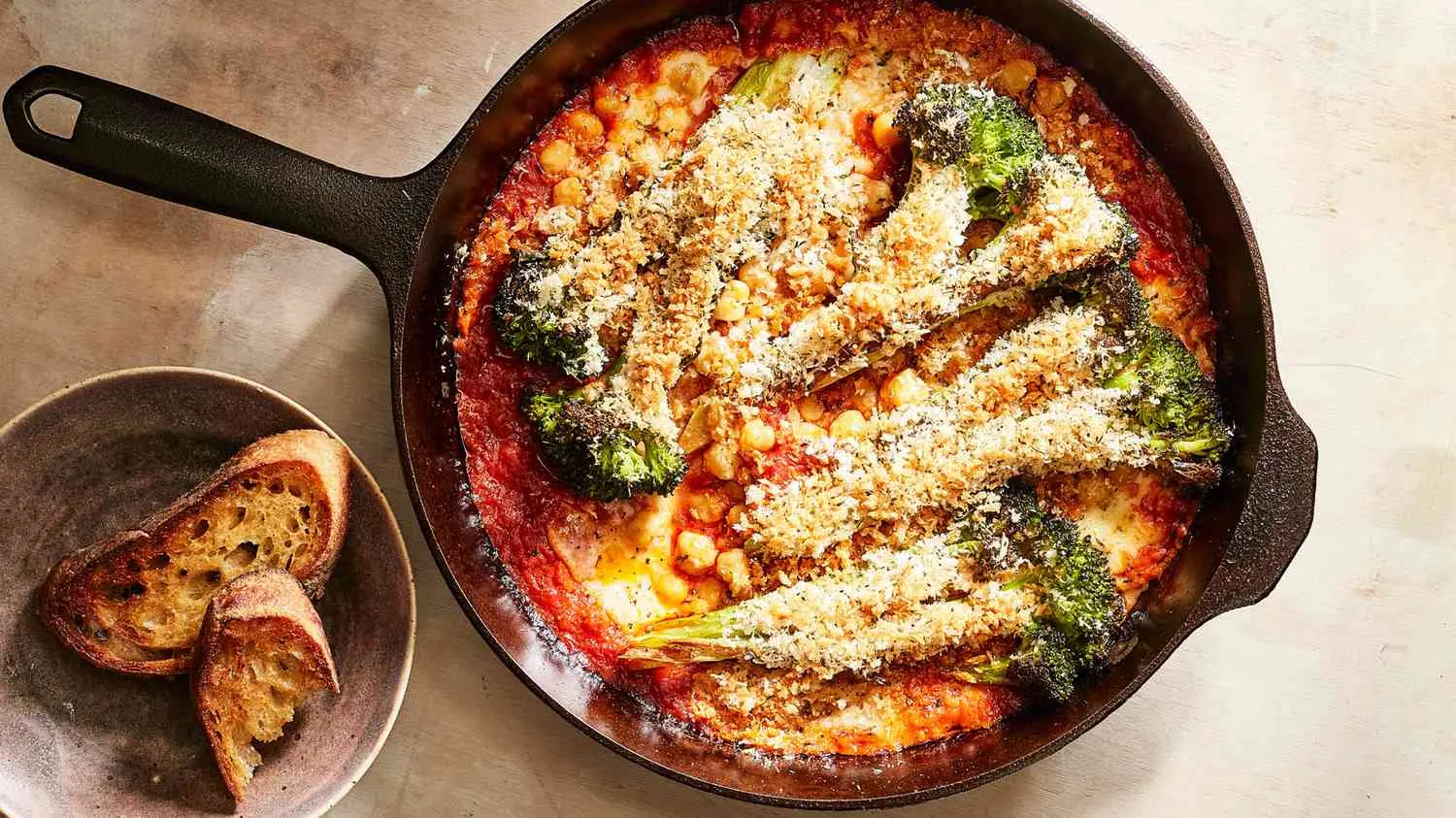
Healthy comfort food often begins as a quiet craving rather than a calculated nutrition decision. It shows up on long evenings after demanding days, during rainy weekends, or in moments when emotional reassurance feels just as important as physical nourishment. Comfort food has always been about familiarity, warmth, and memory. What has changed is the growing realization that comfort does not have to come at the cost of well-being.
For years, comfort food carried a reputation for being heavy, indulgent, and something to regret later. Creamy sauces, deep-fried textures, and oversized portions became the standard image. Yet many people began noticing how these meals left them sluggish, bloated, or disconnected from their bodies. That awareness sparked a shift toward versions of comfort food that still satisfy emotionally but also support energy, digestion, and long-term health.
This evolution reflects a deeper cultural change. People are no longer willing to choose between pleasure and health. They want both, and they are discovering that balance is not only possible but deeply satisfying.
Why Comfort Food Matters Emotionally
Comfort food is rarely just about hunger. It is tied to memory, culture, and emotional safety. A familiar meal can remind someone of home, childhood, or moments of care during difficult times. Psychologists often note that food can act as a grounding experience, offering stability when life feels uncertain.
When people seek comfort through food, they are often responding to stress, fatigue, or emotional overload. Ignoring this emotional component can lead to disordered eating patterns or cycles of guilt. A healthier approach acknowledges emotional needs while still honoring physical health.
This is where modern comfort food finds its balance. By respecting emotional cues and pairing them with nourishing ingredients, food becomes supportive rather than conflicting.
Redefining Comfort Without Sacrifice
The idea that comfort must equal excess is slowly fading. Many people are learning that warmth, richness, and satisfaction can come from thoughtful preparation rather than sheer heaviness. Flavor, texture, and aroma play a larger role in comfort than extreme portions or processed ingredients.
A bowl of slow-simmered soup, a hearty grain dish, or a gently spiced stew can provide the same emotional reassurance as traditional indulgent meals. These foods offer warmth and depth without overwhelming the body.
Nutrition professionals often encourage this reframing. They emphasize that satisfaction comes from balance, not deprivation. When meals are nourishing and enjoyable, people are less likely to overeat or feel disconnected afterward.
Healthy comfort food and the Power of Familiar Flavors
Familiarity is key to comfort. The flavors people grew up with often carry emotional weight. Herbs, spices, and cooking techniques can recreate that sense of home even when ingredients are updated.
For example, traditional dishes can be prepared using whole ingredients, healthier fats, and mindful portions while preserving their essence. This approach respects cultural identity while supporting modern health needs.
From an EEAT perspective, this blend of tradition and nutrition demonstrates expertise and respect. It shows that food culture and health science do not have to compete; they can complement each other.
The Role of Nutrition in Emotional Satisfaction
Emotional satisfaction from food is closely linked to physical response. Meals that stabilize blood sugar, support digestion, and provide steady energy tend to leave people feeling calmer and more content.
Highly refined foods may deliver quick pleasure but often lead to crashes that amplify stress or irritability. In contrast, balanced meals that include fiber, protein, and healthy fats support both mood and energy.
Dietitians frequently point out that when the body feels supported, emotional cravings tend to soften. This connection explains why nourishing comfort foods feel more sustainable over time.
Experience Shapes Trust in Comfort-Focused Eating
Many people arrive at healthier comfort eating through trial and error. They experiment with ingredient swaps, cooking methods, or portion adjustments and observe how they feel afterward.
Over time, patterns emerge. Meals that feel grounding and energizing become favorites. Those that cause discomfort gradually lose their appeal. This lived experience builds trust more effectively than rigid rules.
Healthcare providers recognize this process. They often encourage patients to reflect on how food makes them feel rather than focusing solely on numbers or restrictions.
Healthy comfort food in Everyday Life
Comfort eating is not limited to special occasions. It shows up in daily routines, especially during stressful seasons of life. Having nourishing comfort options readily available can prevent impulsive choices that do not truly satisfy.
Busy professionals, parents, and caregivers often rely on simple, repeatable meals that feel supportive. These meals become anchors in hectic schedules, offering consistency and care.
This practicality strengthens the appeal of healthier comfort food. It fits into real life rather than existing as an ideal that feels unreachable.
The Importance of Texture and Temperature
Comfort is sensory. Texture and temperature play a significant role in how food is experienced emotionally. Warm foods often signal safety and relaxation, while creamy or soft textures can feel soothing.
Mindful preparation can enhance these qualities without relying on excessive processing. Slow cooking, roasting, or gentle simmering develop depth and richness naturally.
Culinary experts often emphasize that technique matters as much as ingredients. When food is prepared with care, it delivers comfort through experience, not excess.
Trust and Authority in Modern Comfort Cooking
As interest in balanced comfort eating grows, so does the need for credible guidance. Misinformation can lead people to believe that all comfort food is unhealthy or that healthy versions must be bland.
Trusted nutrition professionals, chefs, and food educators play a crucial role in reshaping this narrative. Their expertise helps people understand how to combine flavor and nourishment effectively.
Authority in this space comes from consistency and transparency. When advice aligns with both science and lived experience, it earns long-term trust.
Healthy comfort food and Cultural Connection
Comfort food is deeply cultural. Every culture has dishes associated with warmth, care, and celebration. These foods tell stories about history, family, and community.
Updating these dishes with modern nutritional awareness does not erase their meaning. Instead, it allows them to continue nourishing future generations in a changing world.
Cultural respect is an important aspect of EEAT. It recognizes that expertise includes understanding context, tradition, and lived experience alongside scientific knowledge.
Emotional Eating Versus Emotional Nourishment
There is an important distinction between emotional eating and emotional nourishment. Emotional eating often happens unconsciously and may leave people feeling worse afterward. Emotional nourishment, on the other hand, is intentional and supportive.
Choosing comfort foods that are both satisfying and nourishing transforms the experience. It allows people to meet emotional needs without creating physical discomfort or guilt.
Mental health professionals increasingly support this approach. They emphasize self-compassion and awareness rather than restriction or shame.
Building Sustainable Comfort Habits
Sustainability matters in eating habits. Extreme approaches rarely last. Comfort foods that align with health goals are more likely to become part of a long-term routine.
This sustainability comes from flexibility. People can enjoy comforting meals regularly without labeling them as indulgences or exceptions. This mindset reduces stress around food choices.
Over time, these habits shape a healthier relationship with food built on trust rather than control.
Healthy comfort food and Family Dynamics
Food often brings families together. Comfort meals are shared experiences that create connection. When these meals are nourishing, they support both physical health and emotional bonding.
Parents often seek comfort foods that children enjoy without excessive additives or heaviness. Balanced versions allow families to share meals without compromise.
This shared experience strengthens trust in food choices and models positive habits for younger generations.
The Science Behind Satisfaction
Satiety is not just about fullness. It involves hormones, digestion, and sensory pleasure. Meals that provide balanced nutrition tend to satisfy more deeply and for longer periods.
Scientific research supports the idea that meals containing protein, fiber, and healthy fats promote stable appetite regulation. This stability reduces the urge to snack mindlessly.
Understanding this science empowers people to create meals that feel comforting without relying on extremes.
Seasonal Comfort and Natural Rhythms
Comfort food often follows the seasons. Cooler months invite warmer, heartier meals, while transitional seasons call for lighter but still grounding options.
Eating with the seasons aligns with natural rhythms and supports overall well-being. Seasonal ingredients often taste better and feel more satisfying.
Nutrition experts frequently recommend seasonal eating as a way to enhance both flavor and nutritional quality.
Healthy comfort food as Self-Care
Food is a form of self-care when approached intentionally. Preparing and enjoying comforting meals can be an act of kindness toward oneself.
This perspective shifts food from something to control into something that supports healing and balance. It encourages presence and appreciation rather than guilt.
Self-care through food is not indulgent. It is foundational to sustainable wellness.
Navigating Social Expectations Around Comfort Eating
Social gatherings often revolve around comfort foods. Navigating these situations can be challenging when health goals feel at odds with tradition.
Balanced comfort eating offers a bridge. People can participate fully without feeling restricted or disconnected. This inclusivity supports social well-being alongside physical health.
Experts often emphasize that social connection is a key component of health. Food choices that support connection are valuable beyond their nutritional profile.
The Role of Mindfulness in Comfort Meals
Mindfulness enhances the comfort experience. Eating slowly, noticing flavors, and appreciating textures deepen satisfaction.
When people are present with their meals, they often need less to feel satisfied. This awareness reduces overconsumption and increases enjoyment.
Mindful eating practices are widely supported by nutrition and mental health professionals as tools for improving both physical and emotional health.
Healthy comfort food and Long-Term Wellness
Long-term wellness is built on patterns, not perfection. Comfort foods that support health can be part of everyday life rather than occasional exceptions.
This approach reduces cycles of restriction and indulgence. It fosters consistency, which is key to lasting well-being.
When food feels supportive rather than conflicting, people are more likely to maintain habits that serve them over time.
Experience, Expertise, Authority, and Trust in Balance
The strength of modern comfort eating lies in its alignment with EEAT principles. Personal experience confirms its benefits. Nutritional expertise explains why it works. Culinary authority preserves flavor and tradition. Trust grows through transparency and consistency.
This balance explains why healthier comfort food continues to resonate. It meets people where they are, honoring both emotional and physical needs.
As more people embrace this approach, comfort food evolves from a guilty pleasure into a meaningful part of a balanced, nourishing lifestyle.
Read also :-
absolute barbecue price per head
sikkim ka famous food
hungry jack’s price list
ihop menu