
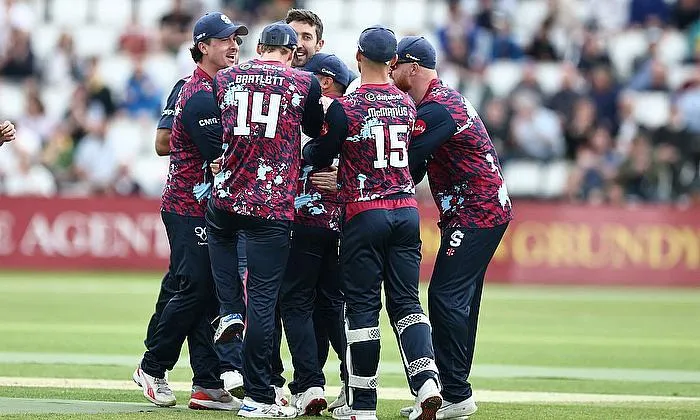
Fantasy Cricket Team Prediction is the one thing every fantasy player searches for right before a match starts—especially when the deadline is ticking and your team still looks “half-ready.”
If you’ve ever stared at your fantasy app thinking, “Should I pick the in-form opener or the all-rounder who always delivers?” you’re not alone. I’ve been there too. And honestly, most fantasy cricket losses don’t happen because you don’t know cricket—they happen because you make rushed decisions.
This guide is built to feel like advice from a friend who plays fantasy regularly, not a robotic list of names. You’ll learn how to predict your fantasy team smartly, read match situations, choose captain and vice-captain wisely, and avoid the most common mistakes that destroy points.
Why Fantasy Cricket Is Not Just Luck Anymore
A few years ago, fantasy cricket felt like a fun guessing game. You picked big names, hoped they performed, and prayed your captain didn’t fail.
But now fantasy platforms are more competitive than ever. People study matchups, pitch reports, and player roles like it’s a mini job. That’s why random teams rarely win big contests today.
The good news is you don’t need to be a cricket analyst to compete. You just need a repeatable strategy that helps you build better teams more consistently.
Once you learn the process, fantasy becomes less stressful and much more enjoyable.
The Real Secret Behind Better Fantasy Teams
Most people think fantasy success comes from picking “top players.” That’s only half true.
The real advantage comes from picking the right players for that match situation. A player can be a superstar, but if his role is limited in that game, he may not score fantasy points.
For example, a finisher might only face 6 balls. A strike bowler might get fewer overs if conditions don’t suit him. A part-time spinner might not bowl at all.
Fantasy rewards opportunity more than reputation.
So the smartest fantasy players focus on who will get maximum chances—balls faced, overs bowled, catches taken, and involvement in the game.
Fantasy Cricket Team Prediction Starts With One Simple Question
Before you pick a single player, ask yourself:
“What kind of match is this going to be?”
That one question changes everything.
If it’s a high-scoring ground, you want top-order batters, power-hitters, and death-overs bowlers.
If it’s a slow pitch, you want spinners, anchor batters, and smart all-rounders.
If it’s a rain-threat match, you want impact players who can score quickly.
Once you know the match type, your team selection becomes much clearer.
Understanding Player Roles (The Most Ignored Fantasy Hack)
Fantasy points are heavily linked to role clarity.
A player who bats at No.3 is far more valuable than the same player batting at No.6. A bowler who bowls in the powerplay and death overs has double the wicket potential compared to someone who only bowls middle overs.
Even wicketkeepers are role-based. Some keepers open the innings, while others bat at No.7 and may not even get enough balls to score.
So whenever you make your team, don’t just check the player name—check the role.
That’s where smart fantasy teams are built.
Fantasy Cricket Team Prediction Using Form vs Class
This debate never ends: should you pick players based on form or class?
The best answer is: balance both.
Form matters because fantasy is short-term. You want players who are currently confident and performing. But class matters because great players can bounce back anytime and change the match in one spell or one innings.
If you’re building a small-league team, form should dominate your picks because it’s safer.
If you’re building a grand-league team, you can take calculated risks with class players who have a high ceiling.
Fantasy isn’t about picking 11 “best” players. It’s about picking 11 players who are most likely to deliver points today.
How Pitch and Weather Change Everything
Pitch reports aren’t just for commentators. They are fantasy gold.
A dry pitch often helps spinners and cutters.
A green pitch supports swing bowlers and seam movement.
A flat pitch means runs, boundaries, and batting-friendly conditions.
Weather matters too. Dew in night matches can make chasing easier and reduce spinner impact. Rain can shorten matches and increase the value of explosive batters.
Even if you don’t watch every match, just reading pitch and weather updates can instantly improve your prediction quality.
The difference between an average fantasy player and a smart one is preparation.
Toss Impact: The Quick Adjustments Pros Always Make
The toss is the last big moment before the deadline, and it’s where many players miss easy points.
If a team bats first on a slow pitch, anchor batters and spinners become more valuable.
If a team chases with heavy dew, top-order batters become even stronger picks.
If a team includes an extra bowler because the pitch looks spicy, it changes the whole balance.
A simple habit that helps: don’t finalize your team too early. Keep 2–3 player slots flexible until toss time.
That small adjustment can protect your team from last-minute surprises.
Captain and Vice-Captain: Where Matches Are Won
Let’s be honest—your captain choice can make or break your fantasy result.
Even if 9 players do well, a wrong captain can push you out of the winning zone. That’s why captaincy needs a smart method, not just gut feeling.
The best captain options usually have two qualities:
They get maximum involvement in the match
They have multiple ways to score points
That’s why all-rounders are often the safest captain picks. They can contribute with bat, ball, and even fielding.
If you want consistency, choose a captain who can influence the match in more than one way.
The Safe Captaincy Formula That Works in Small Leagues
If you play small leagues, safety matters more than uniqueness.
A safe captain is usually:
A top-order batter in good form
A strike bowler who bowls key overs
A genuine all-rounder who plays full quota
You don’t need to be overly creative here. You need stable points.
Many small-league winners follow this simple logic: pick the most predictable performer and trust the role.
This is where disciplined fantasy players win regularly.
Grand League Thinking: When You Should Take Risks
Grand leagues are different. You need upside.
In big contests, thousands of people will pick the same popular captain. If that captain performs normally, everyone scores similar points.
To win big, you sometimes need a different captain choice who has a match-winning ceiling.
This is where you pick someone like:
A middle-order batter who can explode in the last 5 overs
A bowler who can take 3+ wickets if conditions suit
An underrated all-rounder who is underpicked but has a big role
Risk doesn’t mean random. It means calculated.
Fantasy Cricket Team Prediction for Different Match Formats
Not every format plays the same, and fantasy points behave differently too.
In T20, strike rate and wickets matter a lot. You want impact players who can deliver quickly.
In ODI, you want consistency—players who bat long or bowl full spells.
In Test fantasy formats, you want endurance—top-order batters and wicket-taking bowlers who bowl long spells.
So before you predict your team, always consider the match type. Your strategy should match the format.
A T20 fantasy team built like an ODI team often fails badly.
Picking Wicketkeepers the Smart Way
Wicketkeepers are often misunderstood.
People pick a keeper because “he’s a keeper,” but fantasy doesn’t reward the position alone. It rewards performance.
The best wicketkeeper picks are usually:
Keepers who bat in the top 3 or 4
Keepers who are involved in catches and stumpings regularly
Keepers who play aggressively and score fast in T20
If a keeper bats too low, you’re depending only on keeping points, which may not be enough.
A top-order keeper is one of the best fantasy assets you can have.
How Many Batters, Bowlers, and All-Rounders Should You Pick?
Team balance is where many people get confused.
The best balance depends on pitch and match situation. But in general, all-rounders give you flexibility and stability.
On batting-friendly pitches, you can go heavier on batters and batting all-rounders.
On bowling-friendly pitches, you can stack bowlers and bowling all-rounders.
On unpredictable pitches, a balanced team is safer.
The biggest advantage of all-rounders is that even if they fail in one department, they can still score points in another.
That’s why experienced fantasy players rarely ignore strong all-rounders.
The Powerplay and Death Overs Advantage
Fantasy cricket is all about moments, and the powerplay and death overs are the biggest moments.
Powerplay batters can score fast with field restrictions.
Powerplay bowlers can take early wickets.
Death bowlers can take wickets when batters attack.
If you want a sharper team, prioritize players involved in these phases.
A bowler who bowls 2 overs in death can outscore a bowler who bowls 4 overs in the middle with no wickets.
This one insight alone can change your results.
How to Read Team News Like a Fantasy Pro
Team news is not just about who is playing—it’s about why they’re playing.
If a team brings in an extra pacer, the pitch likely supports pace.
If they include an extra spinner, the surface might be slow or dry.
If a batter is promoted up the order, his fantasy value increases instantly.
Even a small change in batting position can turn an average fantasy pick into a match-winning one.
So always check playing XI updates carefully before locking your team.
The “Popular Picks Trap” That Many Players Fall Into
Here’s a common mistake.
You open the fantasy app, and you see a player selected by 80% of users. You pick him automatically because you feel safe.
But popularity doesn’t always mean value.
Sometimes a player is popular because of name, not role. If he’s out of form or batting too low, he may not justify the pick.
In small leagues, popular picks can protect you.
In grand leagues, blindly copying popular picks can keep you average.
The smartest move is picking popular players only when their role supports points.
Budget Management: Don’t Waste Credits on Low-Impact Stars
Fantasy credits are limited, so spending them wisely matters.
Some expensive players are worth it because they deliver consistently. Others are overpriced because of reputation.
A smart strategy is mixing:
A few premium match-winners
Mid-range role-based players
One or two value picks who are underpriced but in strong roles
This gives you a balanced team that doesn’t collapse if one star fails.
Fantasy is not about collecting big names. It’s about collecting points.
Real-Life Example: A Simple Winning Approach
Let’s say there’s a T20 match on a flat pitch.
Most people will stack top-order batters and forget bowlers. But smart players will still pick at least two wicket-taking bowlers—especially those bowling at the death.
In one match I played, everyone selected the same popular batters. The difference came from one death bowler who took 3 wickets in the last over chaos.
That one player pushed the team into the top ranks.
Fantasy rewards those who predict match situations, not just scorecards.
Why Experience Beats Random Tips Online
You’ll find thousands of fantasy predictions online. Some are helpful, some are copy-paste, and many are made without real thinking.
The best fantasy improvement comes from your own experience.
When you track your teams and notice patterns—like which roles score more, which pitches favor what—you build your own system.
That’s real fantasy growth.
The more you play with awareness, the less you depend on random predictions and the more confident your choices become.
The One Habit That Improves Every Fantasy Player
If you want one simple habit that upgrades your results, it’s this:
After every match, review your team for 2 minutes.
Check what worked and what didn’t. Did you pick a batter who came too low? Did your bowler not bowl his full quota? Did you miss an obvious all-rounder?
That small review makes you smarter every match.
And over time, your Fantasy Cricket Team Prediction skills improve naturally, without stress.
Smart Final Reminder Before You Lock Your Team
Before you submit, take a breath and check:
Are your top picks playing in the XI?
Do you have enough players from both teams?
Is your captain someone with high involvement?
Does your team match the pitch conditions?
Fantasy rewards calm decision-making more than last-second panic.
If you build with logic, your team will look strong even before the match begins.
And that confidence is the best feeling for any fantasy player.
Read also:
zimbabwe national cricket team vs south africa national cricket team match scorecard
australian men’s cricket team vs pakistan national cricket team timeline
bangladesh national cricket team vs afghanistan national cricket team timeline
south africa national cricket team vs afghanistan national cricket team match scorecard